Mount Emei: Pilgrimage from the Samantabhadra Dojo to the Wonderland of Cloud Buddha Kingdom

Mount Emei: Pilgrimage from the Samantabhadra Dojo to the Wonderland of Cloud Buddha Kingdom

Overview: A holy mountain that blends the pure land of Buddhism with natural wonders
Mount Emei is located in Leshan City, on the southwestern edge of the Sichuan Basin. Its main peak, Wanfo Peak, has an elevation of 3099 meters and covers an area of approximately 154 square kilometers.

Quick overview of core highlights
Identity tags: Bodhisattva Samantabhadra Dojo/World Cultural and Natural Heritage/Model of "Emei's World Beauty"
Core experience: Pilgrimage to Jinding, watching the sunrise over the sea of clouds, interacting with spirit monkeys, Zen meditation in ancient temples, enjoying tea, and hiking classic mountain trails
Suggested tour: 2-3 days, strongly recommend staying overnight at the mountaintop to witness the four wonders of sunrise, sea of clouds, Buddha's light, and holy lanterns.
Address: Huangwan Town, Emeishan City, Leshan City, Sichuan Province

  • Mount Emei: Pilgrimage from the Samantabhadra Dojo to the Wonderland of Cloud Buddha Kingdom-1
  • Mount Emei: Pilgrimage from the Samantabhadra Dojo to the Wonderland of Cloud Buddha Kingdom-2
  • Mount Emei: Pilgrimage from the Samantabhadra Dojo to the Wonderland of Cloud Buddha Kingdom-3
  • Mount Emei: Pilgrimage from the Samantabhadra Dojo to the Wonderland of Cloud Buddha Kingdom-4

Origin: The Emergence of Buddhist Light and Its Millennium Inheritance

Furong Ancient Town Furong Ancient Town

The Beginning of Buddhist Destiny - The Legend of Samantabhadra's Manifestation
Mount Emei is revered as the dojo of Bodhisattva Samantabhadra, which originated from an ancient legend. According to the Avatamsaka Sutra, there is a mountain named "Guangming" in the southwest, where Bodhisattva Samantabhadra and three thousand of his family reside to preach Buddhism. In the Eastern Han Dynasty, Pu Gong came here to collect herbs and saw lotus flowers on deer tracks. Later, he chased to the peak but saw the figure of Pu Xian riding an elephant hidden in the rainbow halo. This "Buddha's Light" scenic spot is consistent with classical records, and has been confirmed as a place where Samantabhadra can be revered. From then on, temples were built and incense continued to burn.

The Road to Prosperity - From Mountain and Forest Villa to Royal Temple
The development of Buddhism on Mount Emei is a magnificent epic blessed by imperial power and the emergence of numerous eminent monks.
Originating in the Han and Jin dynasties: Buddhist temples were first built on the mountains, initially mostly as monasteries built by hermits.
Developed during the Sui and Tang dynasties: The Tang royal family revered Buddhism and ordered the construction of temples such as Heishui Temple and Puxian Temple, laying the foundation for Mount Emei as a national dojo. During this period, multiple sects such as Zen and Vinaya converged and merged here.
It flourished during the Ming and Qing dynasties: Emperor Zhu Yuanzhang of the Ming Dynasty conferred the title of Abbot of Baotan Guoshi, Emei, and launched a large-scale construction project; During the Qing Dynasty, emperors such as Kangxi and Qianlong repeatedly rewarded and inscribed plaques. There are over a hundred temples and thousands of monks in the entire mountain, forming a grand pilgrimage system with Baoguo Temple as the starting point and Jinding as the peak.
Inherited to the present: Despite enduring storms, the core architecture and legal system have been preserved. Today's Mount Emei is not only an important religious venue, but also a window to showcase Chinese Buddhist culture and natural heritage to the world.

In depth understanding: explore more famous mountains of Chinese Buddhist culture>>Mount Wutai, Shanxi

Must See Wonders: The Fusion of Natural Wonders and Cultural Relics

Furong Ancient Town Furong Ancient Town

Natural Creation - The ever-changing picture of the heavenly realm
The natural beauty of Mount Emei lies in its ultimate landscape that varies endlessly with altitude, time, and climate.
The Four Wonders of Golden Summit - A Gift from Heaven and Earth that can be encountered but not sought after
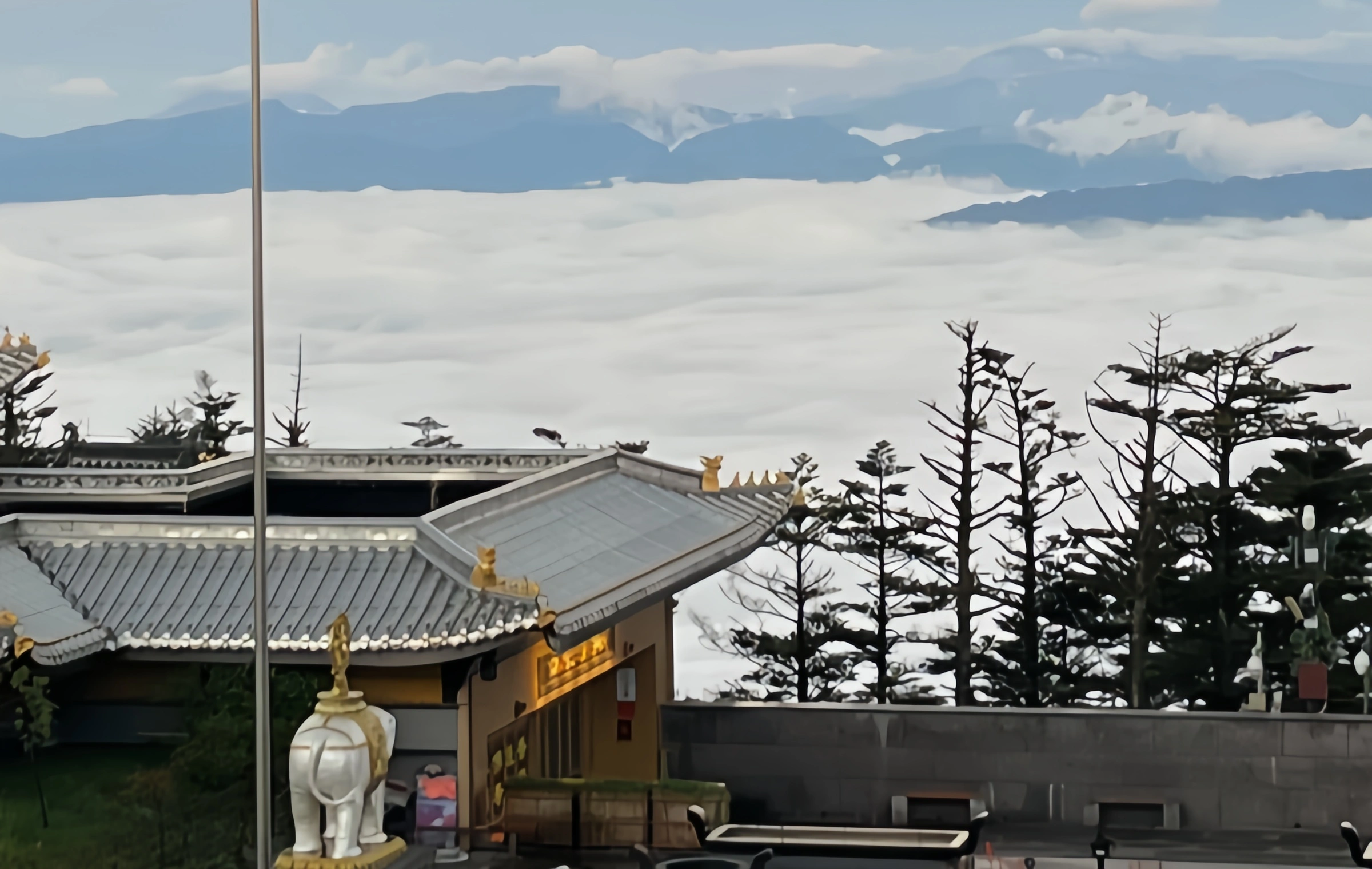
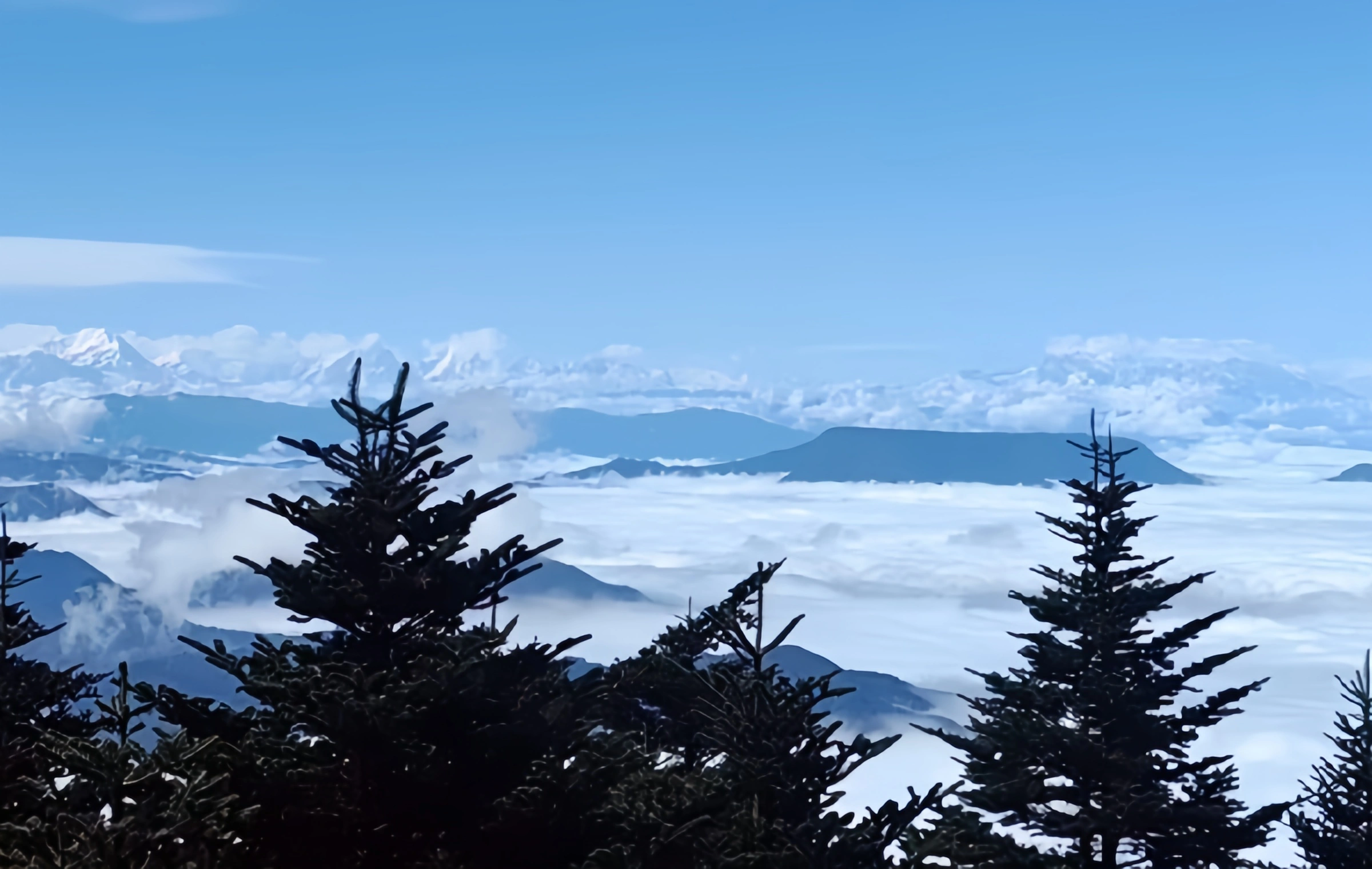
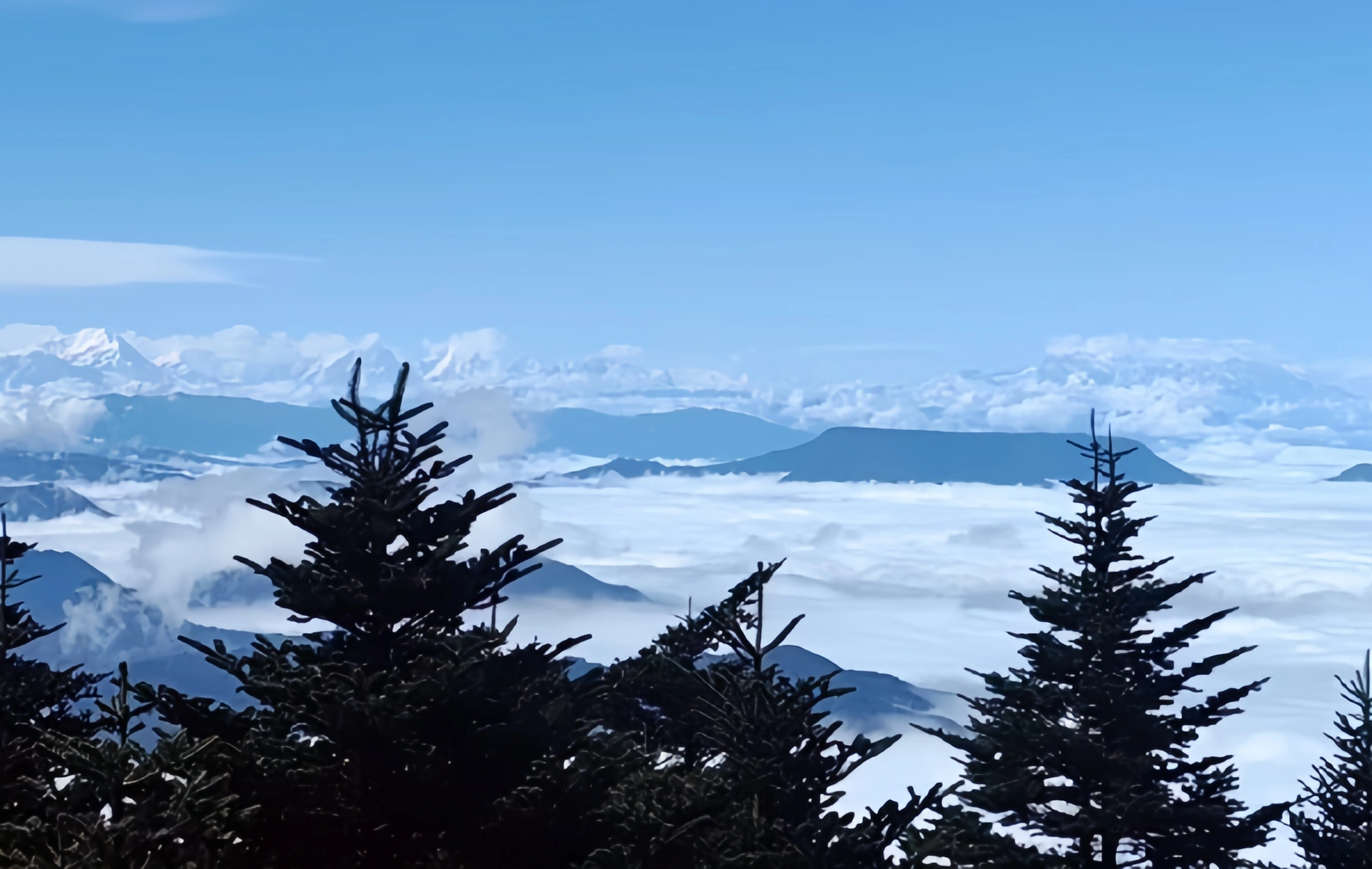
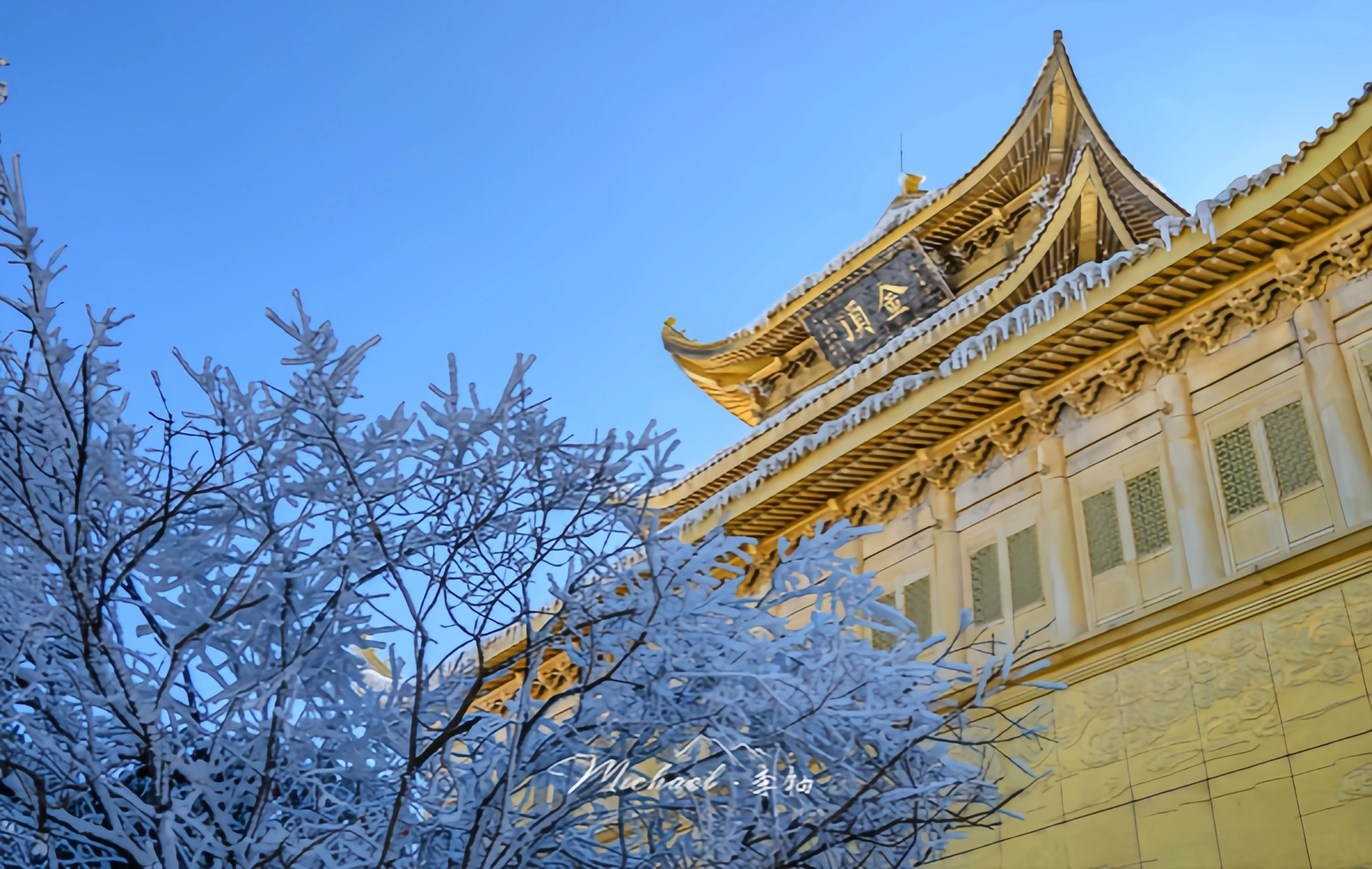
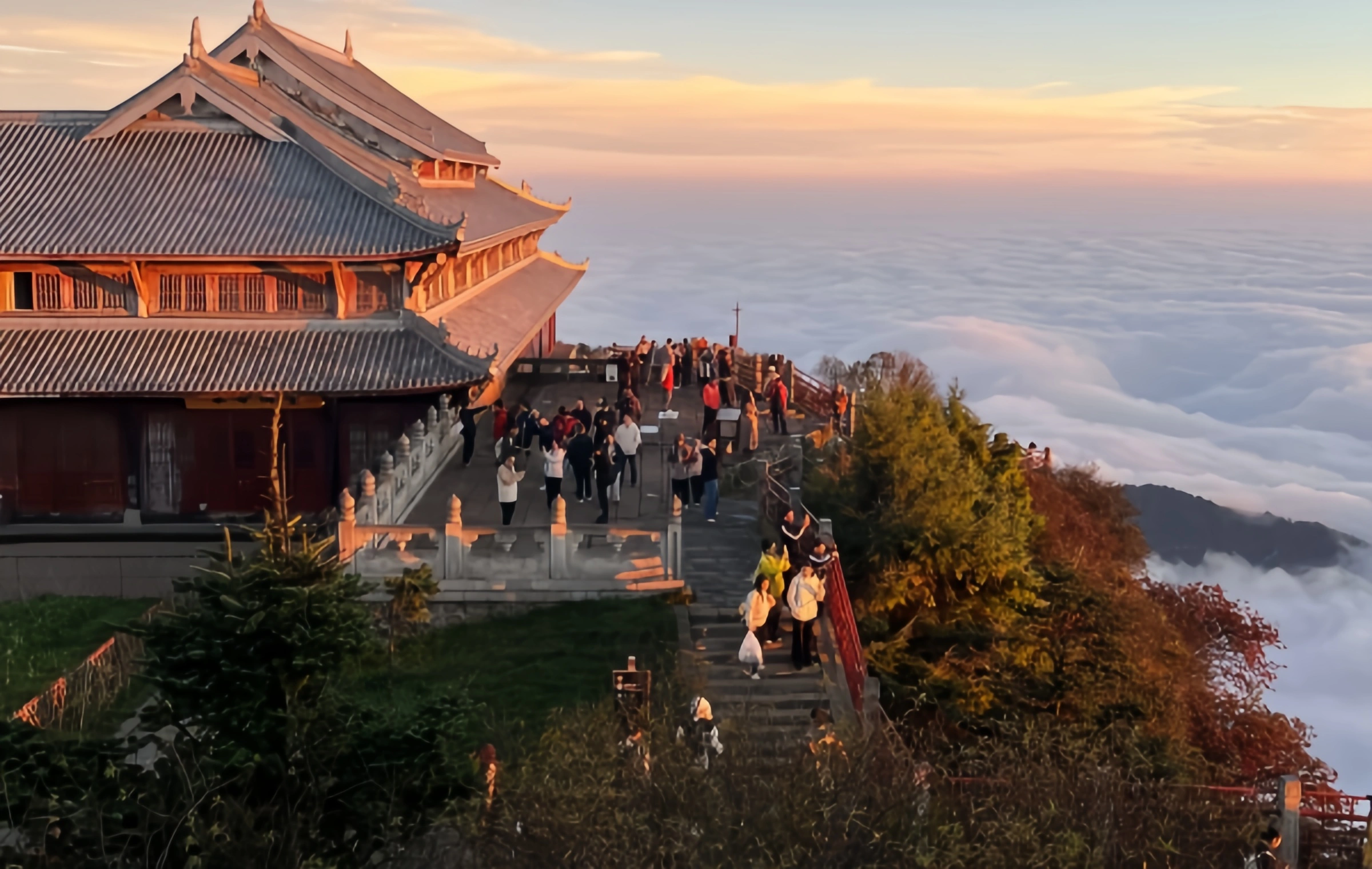
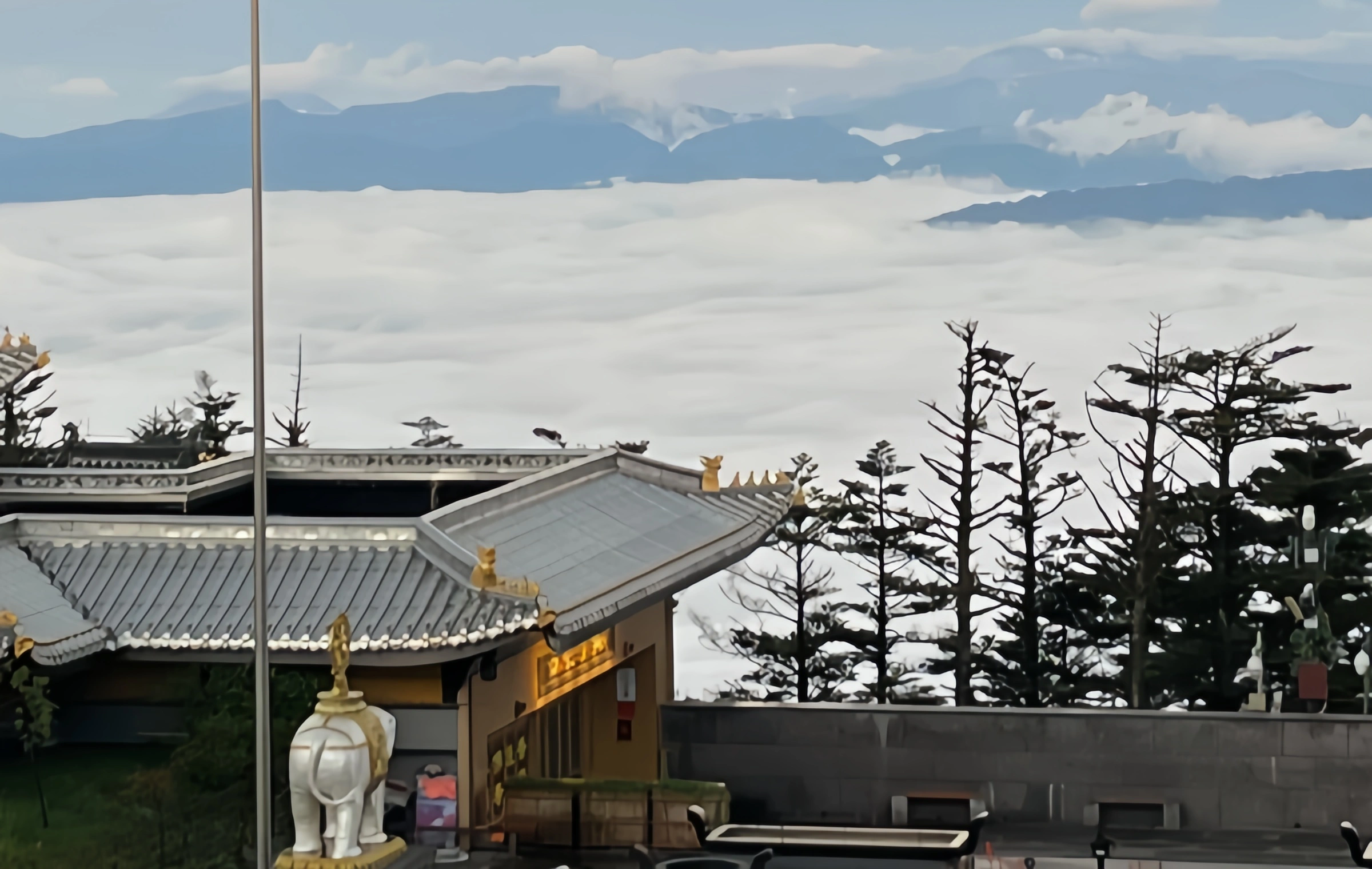
Cloud Sea: Most common in winter. After the first snowfall, the boundless white clouds rolled like waves, submerging the mountains. Only the Golden Summit Palace floated like an isolated island in the clouds, creating a magnificent scene known as the "Silver World".
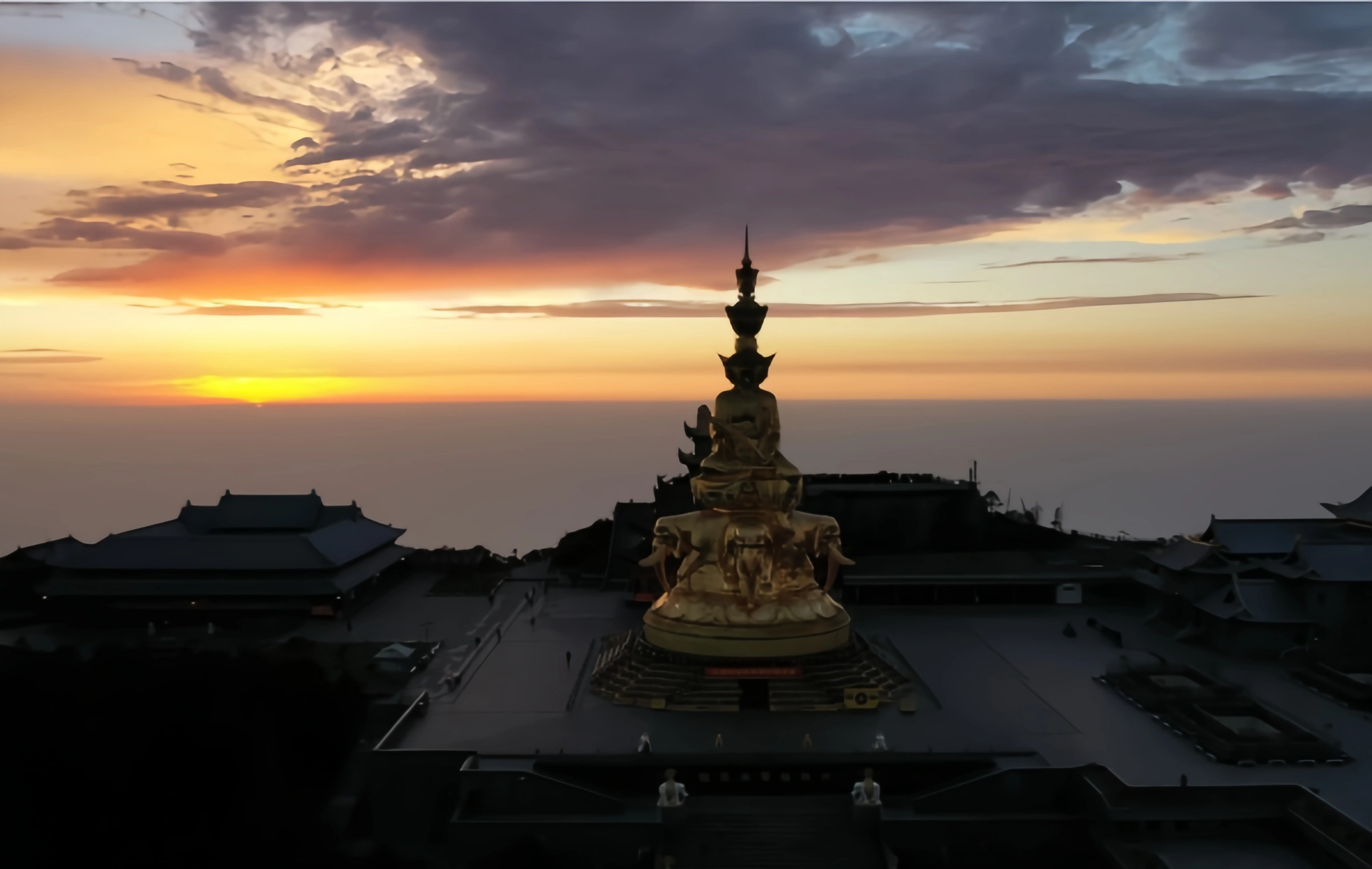
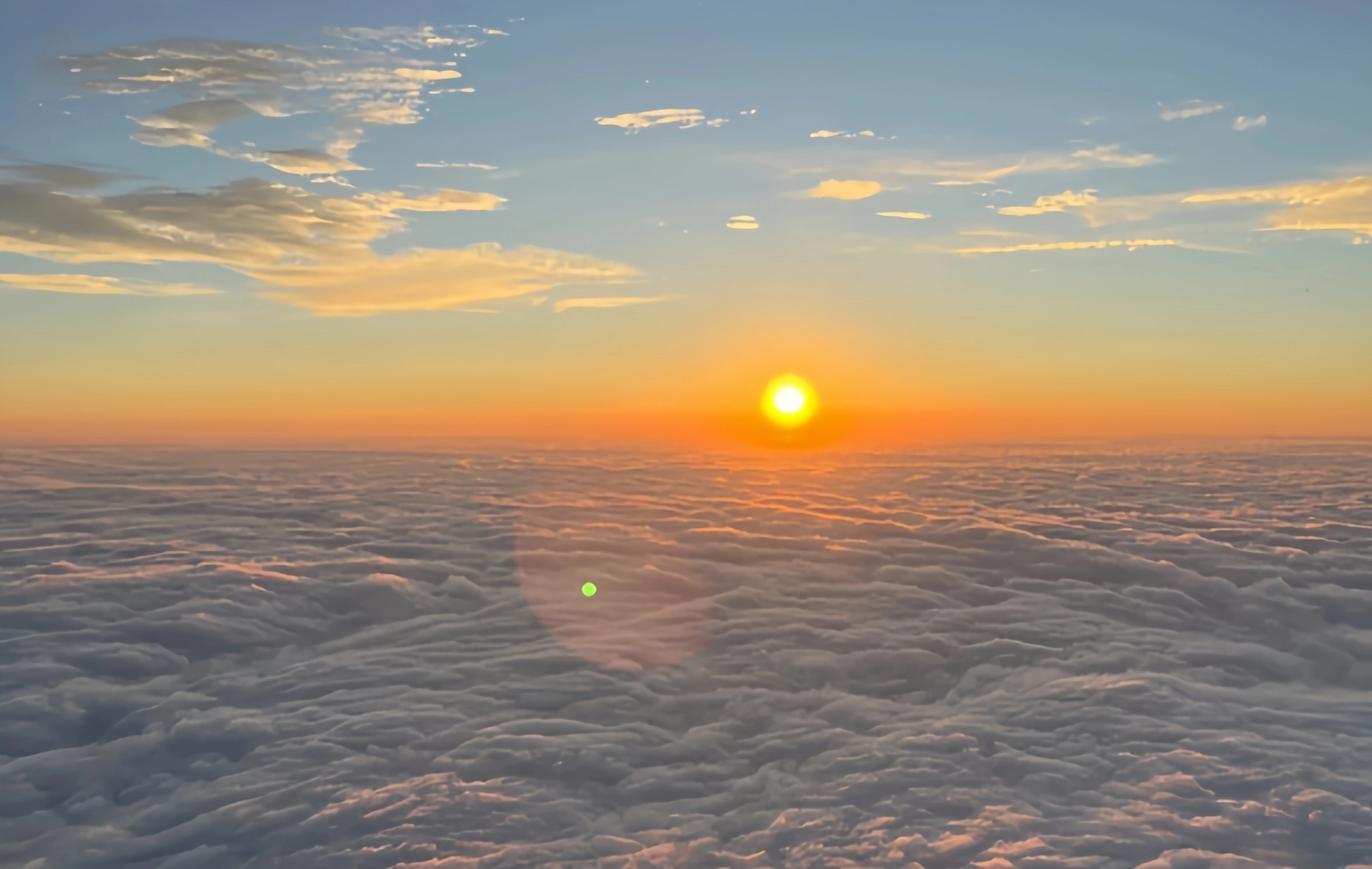
Sunrise: At dawn, the eastern sky changes from darkness to brightness, and a red sun leaps out of the clouds. In an instant, a myriad of rosy rays shine, gilding the sea of clouds and the palace with gold, solemn and full of hope.
Buddha's Light: In the afternoon, sunlight shines from behind the observer, forming a colorful halo in the clouds and mist ahead. The figure is projected into it, resembling a bodhisattva appearing. This is a spectacle of light diffraction, which is even more sacred due to its alignment with Buddhist imagery.
Holy Lamp: On nights with dark moon and clear wind, there are sometimes scattered fluorescent lights in the valley, flickering and rising. It is said by ancient people that "ten thousand bright lamps shine upon the wise", but in fact, the mountains are rich in phosphate ore or microorganisms.

Ecological Secret Realm - A Three Dimensional Rich Kingdom of Animals and Plants
From the foot of the mountain to the top, the vertical climate zone is clearly distributed, nurturing over 3200 species of plants and more than 2300 species of animals. Among them, the remains of plants such as Gongtong (pigeon tree) and Alsophila are considered living fossils. The most famous resident is undoubtedly the Tibetan macaque, commonly known as the "Emei spirit monkey". They are mainly distributed along the trails from Hongchunping, Jiulaodong to Xixiangchi, interacting with tourists and adding wildness to the journey (safety should also be taken into account).
The clear sound of mountains and waters - a canyon melody that washes the heart and lungs
In the Qingyin Pavilion and Yixiantian area, black and white waters converge and collide with Niuxinshi, with the roaring sound of waves; The canyons on both sides are deep and ancient trees stand tall. Walking among them, the sounds of water, birds, bells and chimes are intertwined, which is the essence of experiencing the "beauty of Emei".
Humanistic Craftsmanship - Millennium Wisdom of Deep Mountain Ancient Temples
The architecture and statues of Mount Emei are the crystallization of wisdom perfectly combined with the steep terrain.
Jinding Huazang Temple - the pinnacle of faith at an altitude of 3077 meters
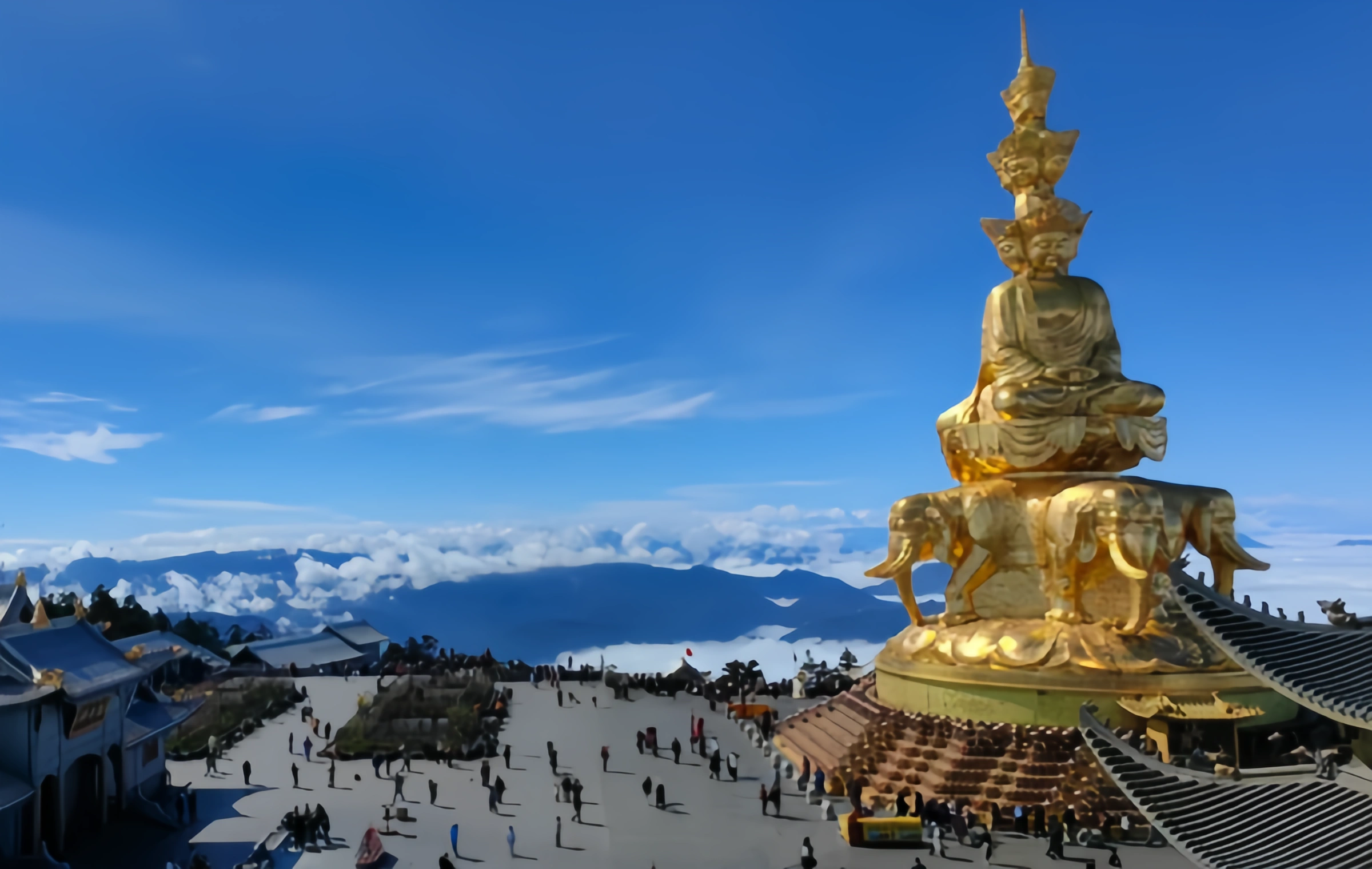
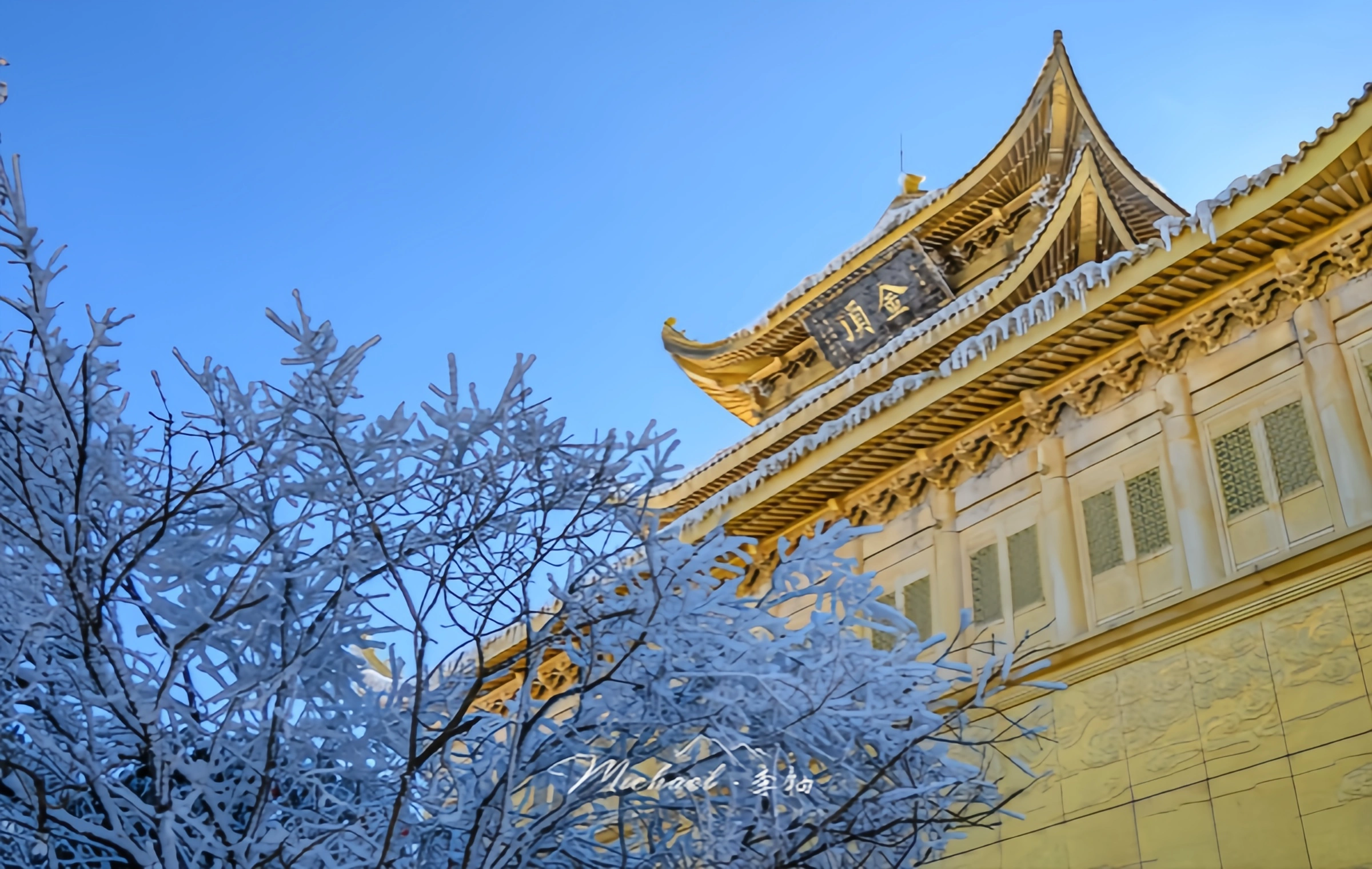
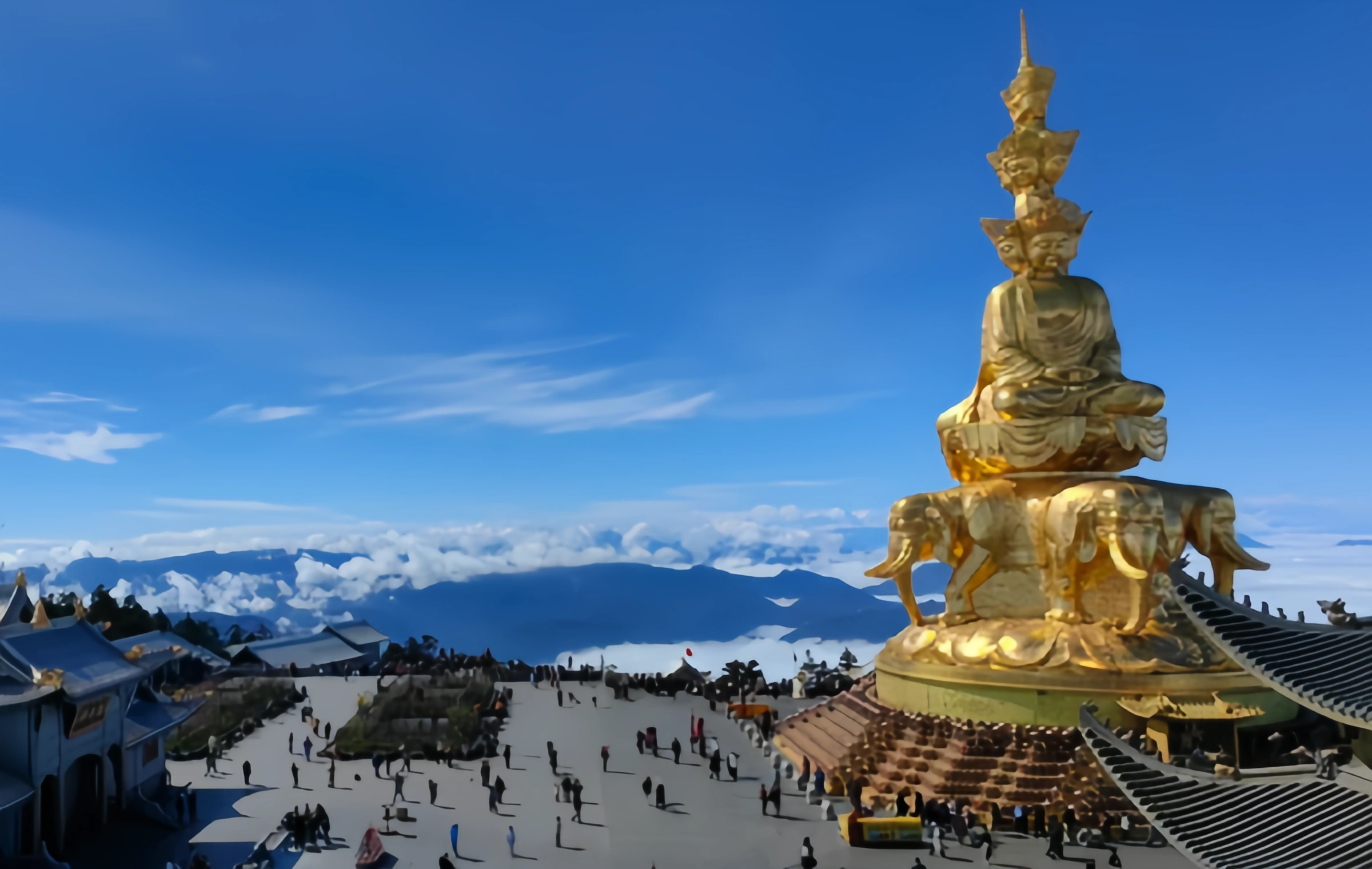
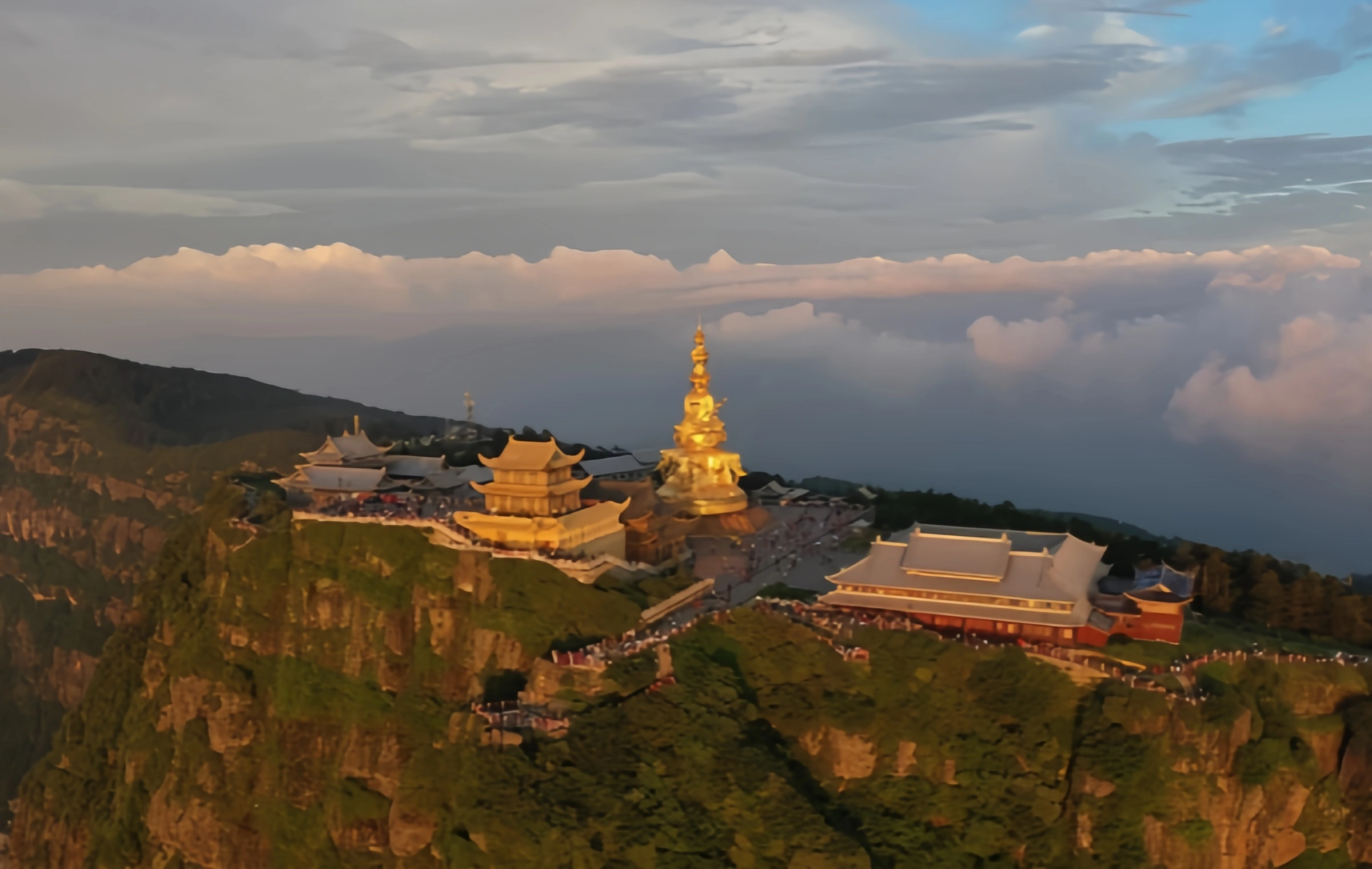
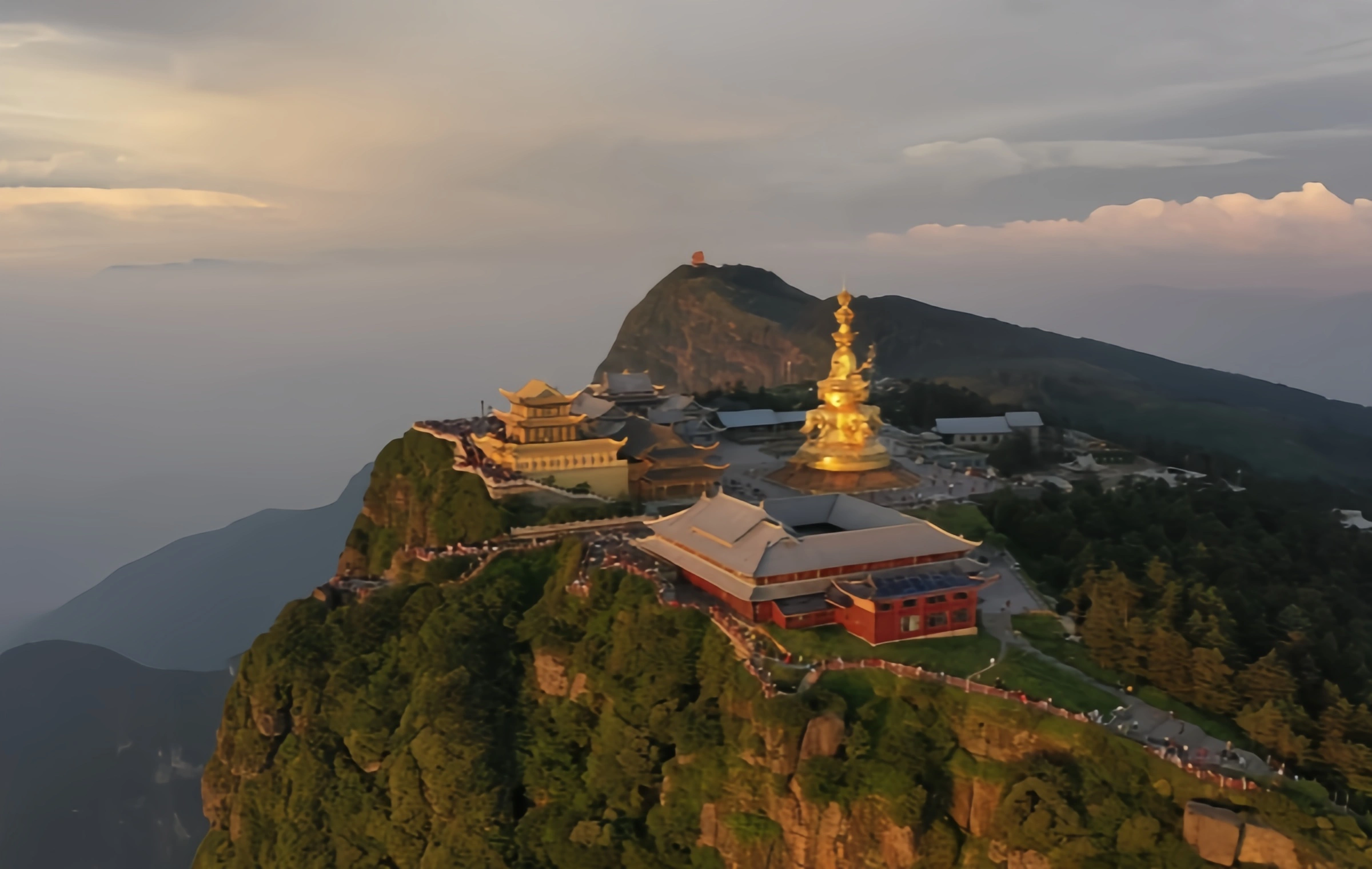
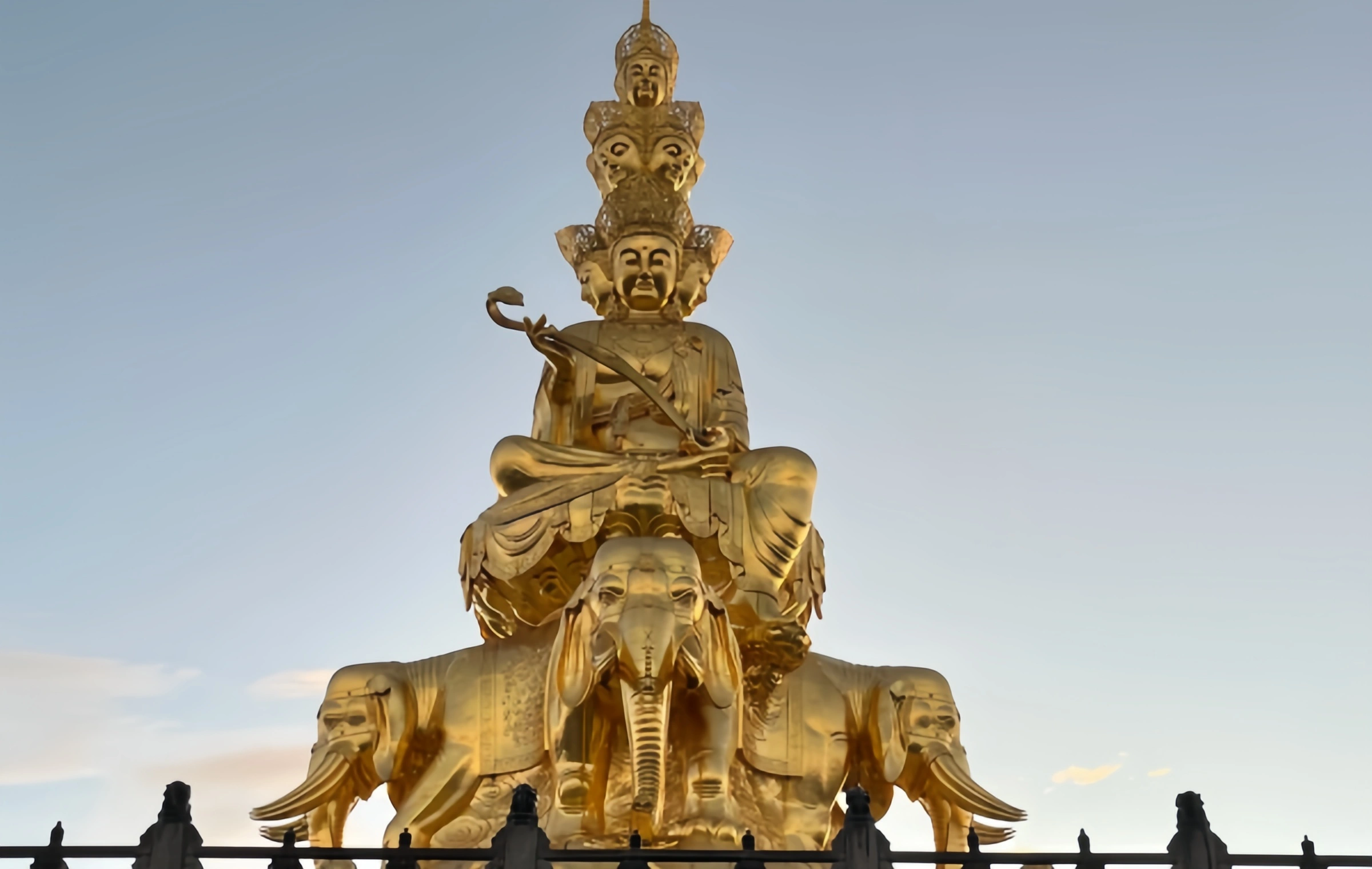
The Jinding architectural complex is a symbol of Mount Emei. The ten sided statue of Samantabhadra, towering 48 meters high, stands tall with a solemn and majestic appearance. The Golden Hall (Golden Summit), Silver Hall (Woyun An), and Copper Hall of Huazang Temple behind them stand tall on the cliff, shining brightly in the sunshine and sea of clouds, with a myriad of styles. This is the ultimate destination for sightseeing and pilgrimage.
A group of ancient temples in the mountains - a practice station for changing scenery and walking
From Baoguo Temple (the entrance to the mountain) at the foot of the mountain, through Fuhu Temple (the exquisite Luohan Hall), Qingyin Pavilion (the unique landscape), Hongchunping ("Hongchun Xiaoyu"), Xianfeng Temple (adjacent to Jiulaodong), Xixiangchi (Moon Night Elephant Pool), to Huazang Temple, each ancient temple carries different history and legends, providing space for mountaineers to rest and feel.
Buddhist statue art - a beautiful treasure trove spanning time
In the Ming Dynasty Liang free brick hall of Wannian Temple, there is a bronze statue of Pu Xian riding an elephant cast during the Northern Song Dynasty. It is 7.85 meters high and weighs 62 tons, with exquisite craftsmanship, and is the treasure of Mount Emei. In addition, scattered Buddhist statues, inscriptions, and artifacts from various temples form an open-air Buddhist art museum.

Photography tips:
To capture the sunrise and sea of clouds at the Golden Summit, it is necessary to check the sunrise time in advance and arrive at the Golden Summit observation deck at least one hour before sunrise to occupy the camera position and use a wide-angle lens to showcase the grand scene;
To shoot Buddhist light, it is necessary to face away from the sun and include the character and halo in the lens. It is recommended to use a medium focal length;
By framing ancient temples with trees and rocks that can be used as natural foreground, it is easy to capture the ethereal atmosphere of clouds and mist before and after rain in places such as Qingyin Pavilion and Hongchunping;
When interacting with spirit monkeys for filming, it is necessary to maintain a safe distance, use telephoto lenses, and do not expose food in front of them.

Core Experience: Immersive Xianshan Zen Life Guide

Furong Ancient Town

Five Must Do Things to Unlock a Complete Journey to Emei
Climbing to the Golden Summit once, watching the sunrise over the sea of clouds
Key: This is the soul of Mount Emei! No matter how tired it is, it is worth experiencing firsthand.
Experience: Overnight at Jinding or Leidongping, braving the cold before dawn to wait for the sunrise moment, watching the sunlight pierce through the clouds, illuminating the statues of Samantabhadra from all directions, and feeling the shock of the fusion of faith and nature.
Walking a long ancient path, conversing with a thousand years of time
Classic route: Choose to hike from Baoguo Temple or Wuxian Hill to Qingyin Pavilion and Hongchunping section, and experience the tranquility and historical details that can only be truly appreciated by walking up the mountain.
Challenge route: Hiking enthusiasts can choose a two-day hiking route, passing through 99 turns, Xianfeng Temple and other places to reach Leidongping, testing their willpower and physical strength throughout the journey.
Learn about the spirit monkey for a while and experience the wild Zen machine
Location: The ecological monkey area is mainly concentrated near Hongchunping to Xianfeng Temple, Yuxian Temple to Jiulinggang, and Xixiangchi.
Etiquette: Do not tease, do not feed, do not hold plastic bags, follow the instructions of the administrator. Observing their living conditions is itself a vivid lesson in nature.
Stay overnight at an ancient temple and listen to morning bells and evening drums
Experience: Several temples in the mountains, such as Xianfeng Temple and Xixiangchi, offer simple layman's rooms. Staying in it, having a fast meal with the monks, and falling asleep in the sound of chanting scriptures during evening classes is a unique experience of meditation.
Taste a Zen tea and find a Buddhist Food dish
Zen tea: Emei Mountain produces "Emei Snow Sprouts" with a refreshing fragrance. Drinking tea at tea houses in ancient temples such as Wannian Temple and Hongchunping, overlooking the green mountains, has a unique charm.
Fasting meal: Each temple's fasting hall provides vegetarian meals, with mostly seasonal ingredients from the mountains, light and delicious, which is a direct way to experience Buddhist food culture.

Suggested tour routes
Two day "classic essence" tour (suitable for most tourists, efficient and labor-saving):
Day 1: Arrive at the foot of Mount Emei in the morning, visit Baoguo Temple and Fuhu Temple → take the scenic sightseeing bus to Leidongping → walk to the Reception Hall, transfer to the Jinding Cableway to climb the mountain → visit Jinding Huazang Temple, watch the sunset and sea of clouds → overnight stay at Jinding or Leidongping hotels.
Day 2: Watch the sunrise at Jinding in the morning → Take the cableway down the mountain to Jieyin Hall, walk to Leidongping Station → Take the cableway to Wannian Temple parking lot, visit the Samantabhadra bronze statue at Wannian Temple → Walk to Qingyin Pavilion, enjoy the beautiful scenery of mountains and waters, and visit the first line Tianhe Ecological Monkey Area → In the afternoon, take the bus back to the foot of the mountain from Wuxiangang Station to end the trip.
IntoTravelChina tip: This itinerary utilizes transportation to save a lot of climbing time, but is highly dependent on weather conditions. The waiting time for cable cars and sightseeing buses during peak season may be longer.
Three day "Hiking Pilgrimage" Deep Tour (highly recommended for those with abundant physical strength and who hope to experience it in depth):
Day 1: Start hiking at Baoguo Temple at the foot of the mountain → Pass through Leiyin Temple, Chunyang Hall, Shenshui Pavilion to Qingyin Pavilion → Visit Yixiantian and Ecological Monkey Area in the afternoon → Overnight at Hongchunping Temple or nearby inns.
Day 2: Starting from Hongchunping, challenge the steep "ninety-nine turns" → pass through Xianfeng Temple (exploring Jiulao Cave), Yuxian Temple, Jiuling Hill → arrive at Xixiangchi, stay overnight here, and enjoy the "Xiangchi Night Moon".
Day 3: Continue climbing from the Xixiangchi, through Luohan Hill and Lianwang Hill → arrive at Leidongping, transfer to the cableway to Jinding, and complete the pilgrimage → take a sightseeing bus down the mountain in the evening.
The advantages of IntoTravelChina: We can book the most suitable accommodation (including temple rooms) for you on the mountaintop and in the mountains, plan the connection between hiking and transportation, provide detailed hiking route maps, physical fitness assessments, and safety guidelines, and arrange for porters to reduce your burden.
Professional guide: IntoTravelChina can provide you with a personalized itinerary, including exclusive tour guides (proficient in Buddhist culture and natural geography), transportation and activity arrangements, allowing you to have a deep and worry free trip. >>Consult now for customization

Travel Guide: Transportation, Accommodation, and Seasons

Furong Ancient Town

How to reach: Seamless Connection Guide
Mount Emei has convenient transportation, and Chengdu is usually the primary transit hub.
Aviation: The nearest airport is Chengdu Shuangliu International Airport or Tianfu International Airport. After arrival, you can take a high-speed train or long-distance bus to Mount Emei.
High speed rail (highly recommended): Take the high-speed rail from Chengdu East Station or Chengdu South Station to Emeishan Station (note that it is "Emeishan Station" instead of "Emei Station"), the journey takes about 1-1.5 hours. After exiting the station, you can transfer to a scenic sightseeing bus or taxi to go to the Baoguo Temple Visitor Center.
Self driving: Starting from Chengdu, taking the Chengle Expressway and Leya Expressway, you can directly reach Mount Emei, which takes about 2 hours by car. Navigate to "Emei Mountain Tourist Center" or "Huangwan Parking Lot".

Best travel time
Mount Emei is beautiful all year round, with huge differences in climate and landscape. The best comprehensive travel time is in spring (April May) and autumn (September October).
Spring and Autumn Golden Season (April May, September October): The climate is mild and the mountains are colorful. In spring, azaleas bloom in full bloom, and in autumn, the layered forests are fully dyed, with high visibility, making it the best time to enjoy mountain scenery and hike.
Summer Summer Vacation Season (June August): Cool in the mountains, it is a popular summer resort. But during the rainy season, with many clouds and slippery roads, the chances of watching a complete sunrise are relatively low. At this moment, the waterfall has abundant water and lush greenery.
Winter Ice and Snow Season (December to March of the following year): The mountaintop is covered in silver, like a world of glass, with a high frequency of clouds appearing. But the temperature is extremely low, and some trails and temples may be closed due to ice and snow, so special attention should be paid to preventing slipping and keeping warm.

Accommodation options
Peak area (preferred for viewing):
Jinding/Leidongping Hotel: The price is relatively high, but it is convenient to watch the sunrise and sea of clouds, saving a lot of time going up the mountain. Long advance booking is required.
Mountain Ancient Temple (Unique Experience):
Temple rooms (such as Xianfeng Temple and Xixiang Pool): The conditions are relatively simple (public bathroom), but you can experience the temple life of morning bells and evening drums at an affordable price. You need to call in advance to inquire.
Shanjiao Baoguo Temple/Huangwan area (cost-effective choice):
Various types of hotels and homestays: abundant choices, convenient dining and shopping, suitable for first day arrival or last day rest. But you need to take a sightseeing bus up the mountain every day, which takes about 1.5-2 hours.

IntoTravelChina accommodation booking recommendations:
The accommodation resources in Mount Emei are tight, especially the rooms at the mountaintop and characteristic temples. We strongly recommend planning and booking at least 1-2 months in advance. By booking with us, not only can you ensure your desired accommodation, but you can also package your tickets, cable car tickets, and sightseeing tickets, and optimize your itinerary based on your physical condition to avoid peak crowds. Tell us your preferences (priority for sightseeing/cultural experience), and we will match you with the most suitable "Xianshan Residence". >>Click to contact IntoTravelChina travel consultant

Extended Journey: Connecting the Golden Triangle of Southwest Sichuan

Furong Ancient Town Furong Ancient Town

Mount Emei is the perfect core for exploring the rich tourism resources in southwestern Sichuan.

One day essence tour of Chengdu urban culture: Chengdu Museum (history) → Taikoo Li (modern fashion) → Kuanzhai Alley (traditional street) → Sichuan Opera Performance (night). This route crosses the past and present of Chengdu within a day.
Sichuan Sichuan Classic 6-day Ring Road: Chengdu → Leshan (Leshan Giant Buddha Scenic Area, Mount Emei) → Sanxingdui → People's Park, Jinli Old Street → Giant Panda Base, Chunxi Road. This is a classic Sichuan journey from modern cities to natural wonders and cultural heritage.>>Explore the 6-day essence of Sichuan

请输入名称

Furong Ancient Town Furong Ancient Town

Our travel experts can assist you with:
Tailored itinerary: Based on your interests, cleverly integrate the natural, historical, and culinary journeys of Taikoo Li and Sichuan, and design a unique route.
One stop service: handle all transportation, accommodation, tour guide, and special activity reservations during the itinerary, making you worry free and effortless.
Exclusive perspective and arrangement: providing in-depth interpretation of urban culture, recommending hidden treasure shops and exhibition information, making your trip not just sightseeing, but also a deep experience of urban aesthetics and lifestyle.
Make your trip to Taikoo Li not just about shopping, but also a deep conversation about understanding Chengdu, a city where you don't want to leave once you come.  

Start planning your journey now:Feel free to contact our professional travel consultants, and we will provide you with exclusive itinerary plans and quotes within 24 hours. >>Click to contact IntoTravelChina travel consultant

Recommended Tours

Top 3 tours chosen by most customers to explore in the best way. Check the detailed itinerary, or tailor your own trip now with us.

Zhangjiajie Tour
Lijiang Shangrila Chengdu 7-Day Tour
Zhangjiajie Tour
11-Day Chinese Classic In-depth Tour

11 Days  |  Chengdu-Zhangjiajie-Xi'an-Beijing

Zhangjiajie Tour
Zhangjiajie-Chengdu 7-Days Tour

What Our Clients Say?

Based on 10,000+ traveler reviews

...
Daniel Dorothea
Canada
Reviewed on April 29,2025
Shopping on Nanjing Road in Shanghai was just amazing! It's truly the "First Commercial Street of China", where tradition and modernity blend perfectly. You can find awesome souvenirs and experience the trendy vibes in cool stores. The neon lights at night are just spectacular, shining bright like Times Square in New York. The food here is incredible too. I had a feast for my taste buds. Shanghai, I'll definitely be back!
Destination(s): Shanghai
Date of Experience: May 08,2024
...
...
Elvis Eva
Canada
Reviewed on June 20,2025
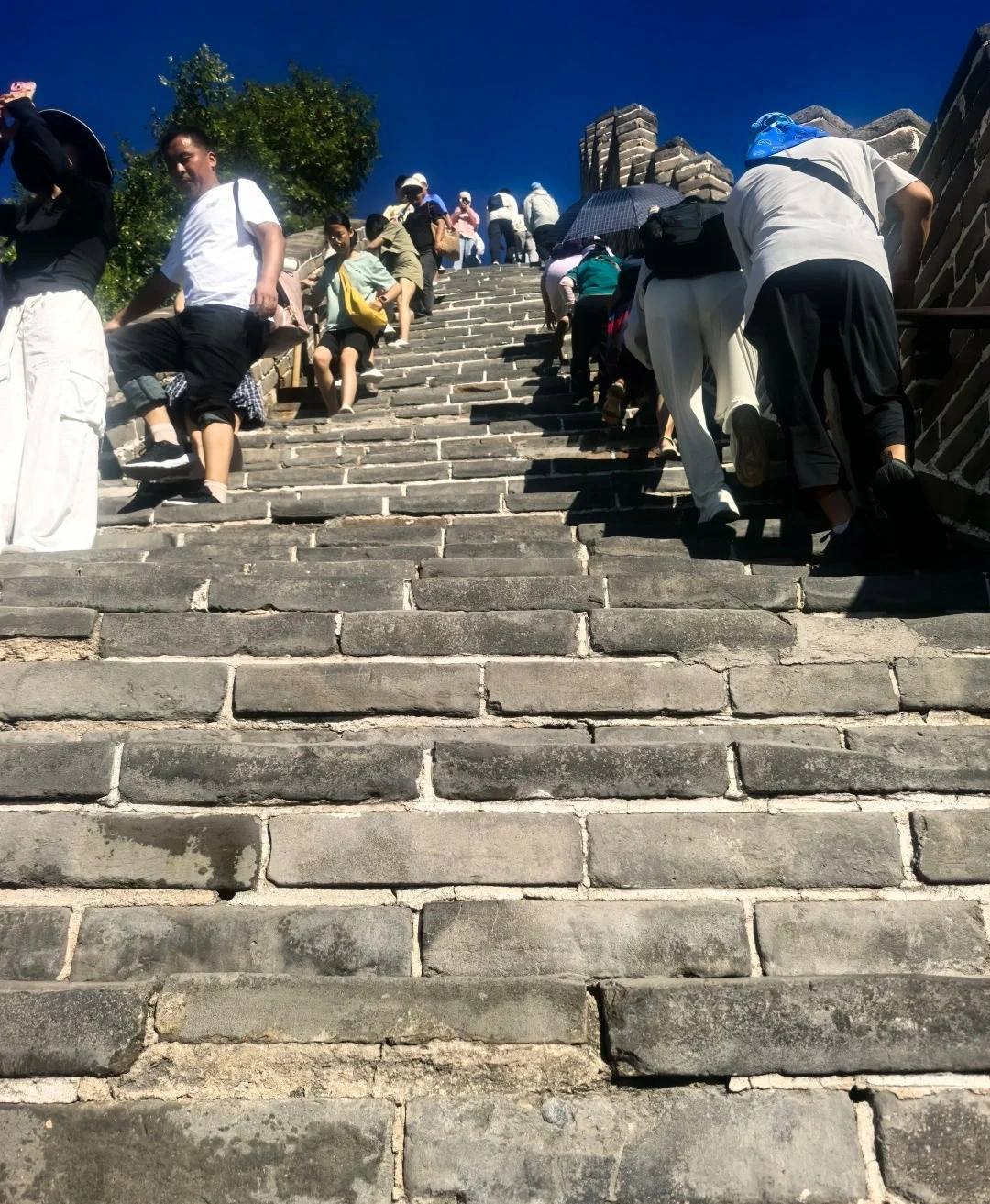
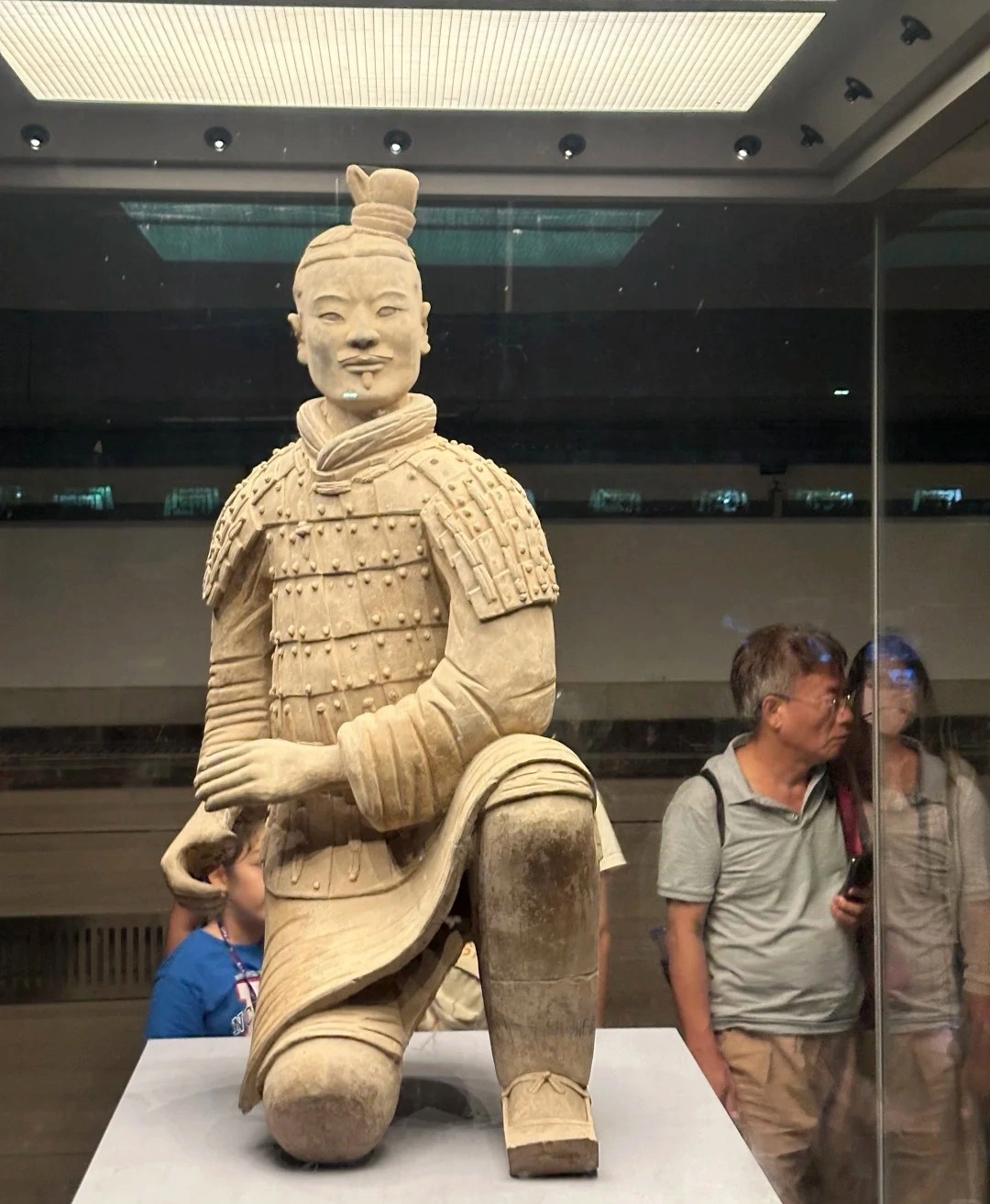
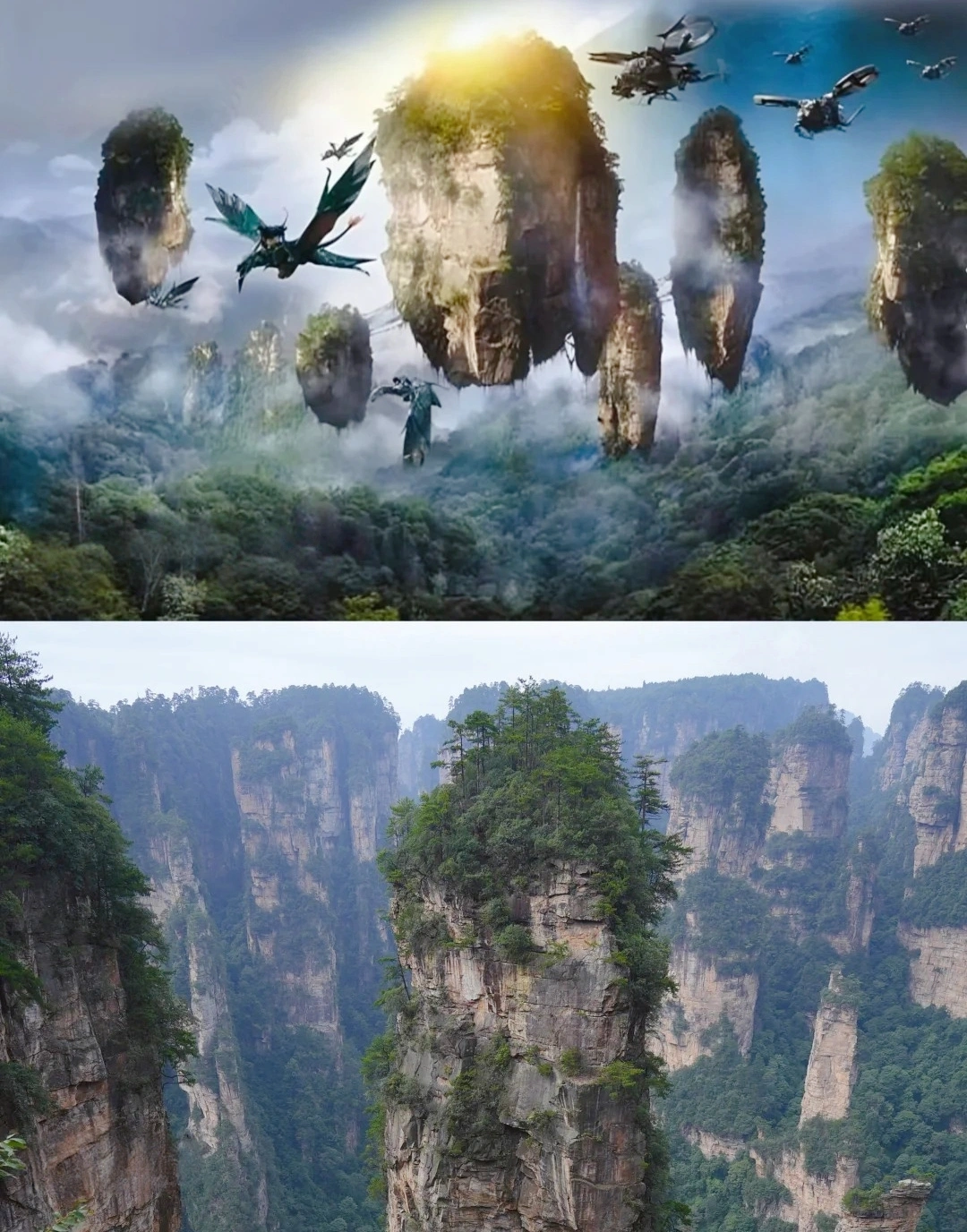
As a solo traveler from Canada, I was nervous about navigating China alone—but this 11-day tour was PERFECT! From hiking the Great Wall at sunrise (Day 3) to gasping at the Terracotta Army (Day 5), every day delivered ‘pinch-me’ moments. The real showstopper? Zhangjiajie’s Avatar Mountains (Day 7)! Our guide made the stone pillars come alive with stories. Massive thanks for handling all logistics—bullet train tickets, entry passes, car! And the 4-star hotels surprised me.
Destination(s): Beijing Xian Zhangjiajie Shanghai
Date of Experience: June 02,2025
... ... ...
...
Simon
America
Reviewed on May 29,2025
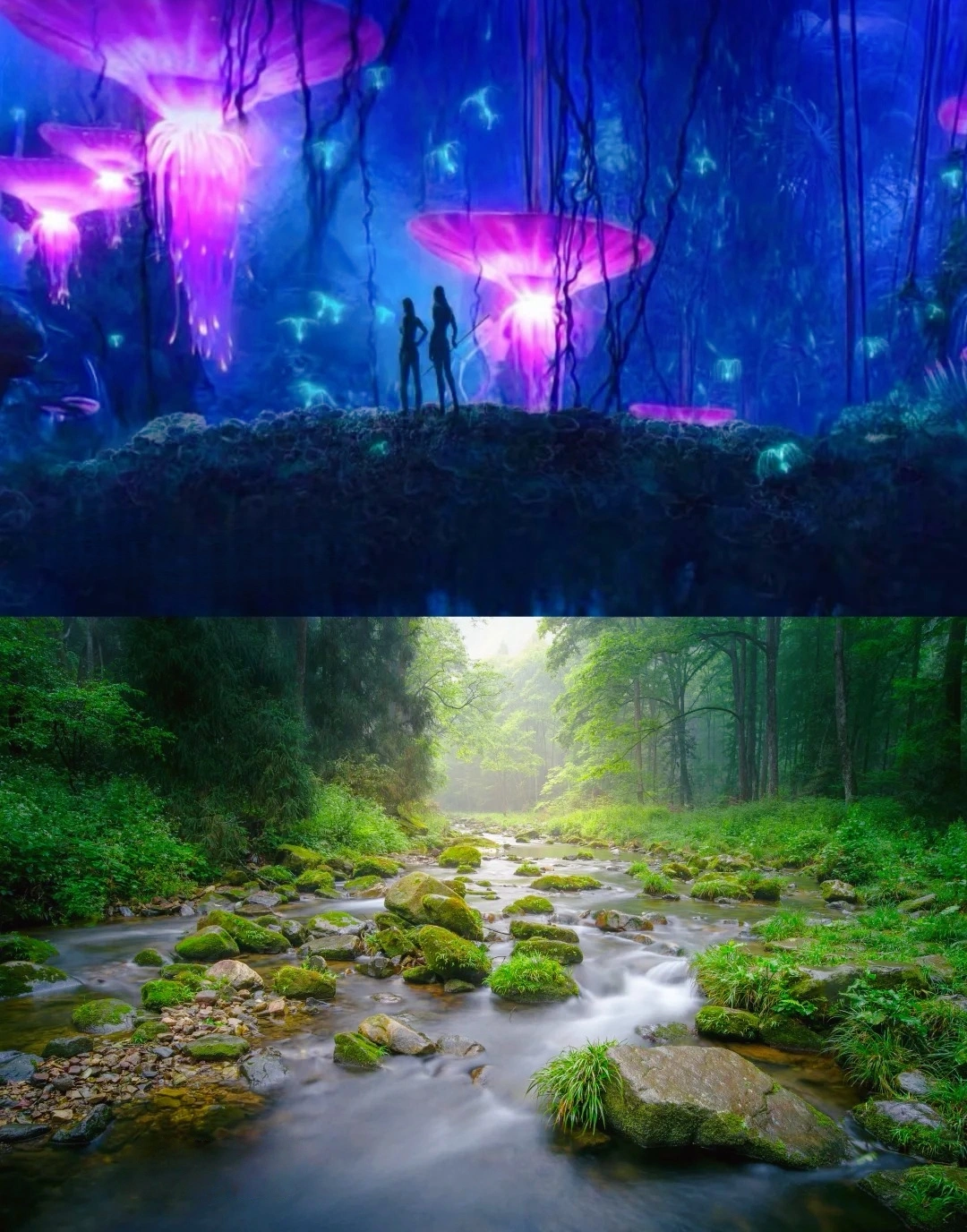
Our 2-day Zhangjiajie tour was beyond spectacular! As someone who’s visited Beijing and Shanghai for work, this trip revealed China’s wild, magical heart. Day 1 in Zhangjiajie National Forest Park felt like stepping onto Pandora—I’m a huge Avatar fan, and Yuanjiajie’s floating peaks left me breathless. The misty pillars and lush valleys like pure movie magic! Then came Fenghuang Ancient Town, we eat dinner beside the thundering waterfall. It seems Unreal! The night views of stilt houses glowing over the river were straight from a fairy tale. For fellow Avatar lovers and adventure seekers: Don’t miss this bucket-list experience! 10/10 would return. A Well-Traveled Film Buff, May 2025
Destination(s): Zhangjiajie
Date of Experience: May 08,2025
... ...

FAQ

Can we see wild monkeys on Mount Emei? Where can we see them?

Yes, you can. Wild monkeys are quite common on Mount Emei. They often appear on the mountain roads, especially in some areas where tourists gather, such as near Qingyin Pavilion and on the way to the Golden Summit. But be careful, they may try to grab your food or belongings.

How many days are suitable for visiting Mount Emei?

Generally, a Mount Emei tour typically takes about 2 days. If you want to combine it with visiting the Leshan Giant Buddha and exploring Chengdu, it usually requires 3 - 4 days.

What are the Buddhist - related cultural activities on Mount Emei?

Throughout the year, there are various Buddhist cultural activities, such as Buddha - bathing ceremonies on Buddha's birthday, and some traditional Buddhist rituals. During some festivals, there are also lantern - releasing activities and Buddhist music performances in the temples.

Is it convenient to get from Leshan Giant Buddha to Mount Emei?

Yes, it is convenient. You can take a fast bullet train or a bus from Leshan to Emeishan. The bullet train takes about half an hour, and the bus also has regular departures, which takes about 1 - 2 hours.

What is the weather like on Mount Emei? Do we need to check the weather forecast in advance?

The weather on Mount Emei is changeable. It is often cloudy and foggy, and it may rain suddenly. The temperature varies greatly with altitude. It is recommended to check the weather forecast in advance and bring appropriate clothing and rain - gear.

Ask a Question

Question Summary (100 characters)
Details (optional) (2,000 characters)
Name
Country
Email