Nature's Handiwork: The Myriad Forms of Snow
The Origins of China's Snow Town: Nature's Masterpiece
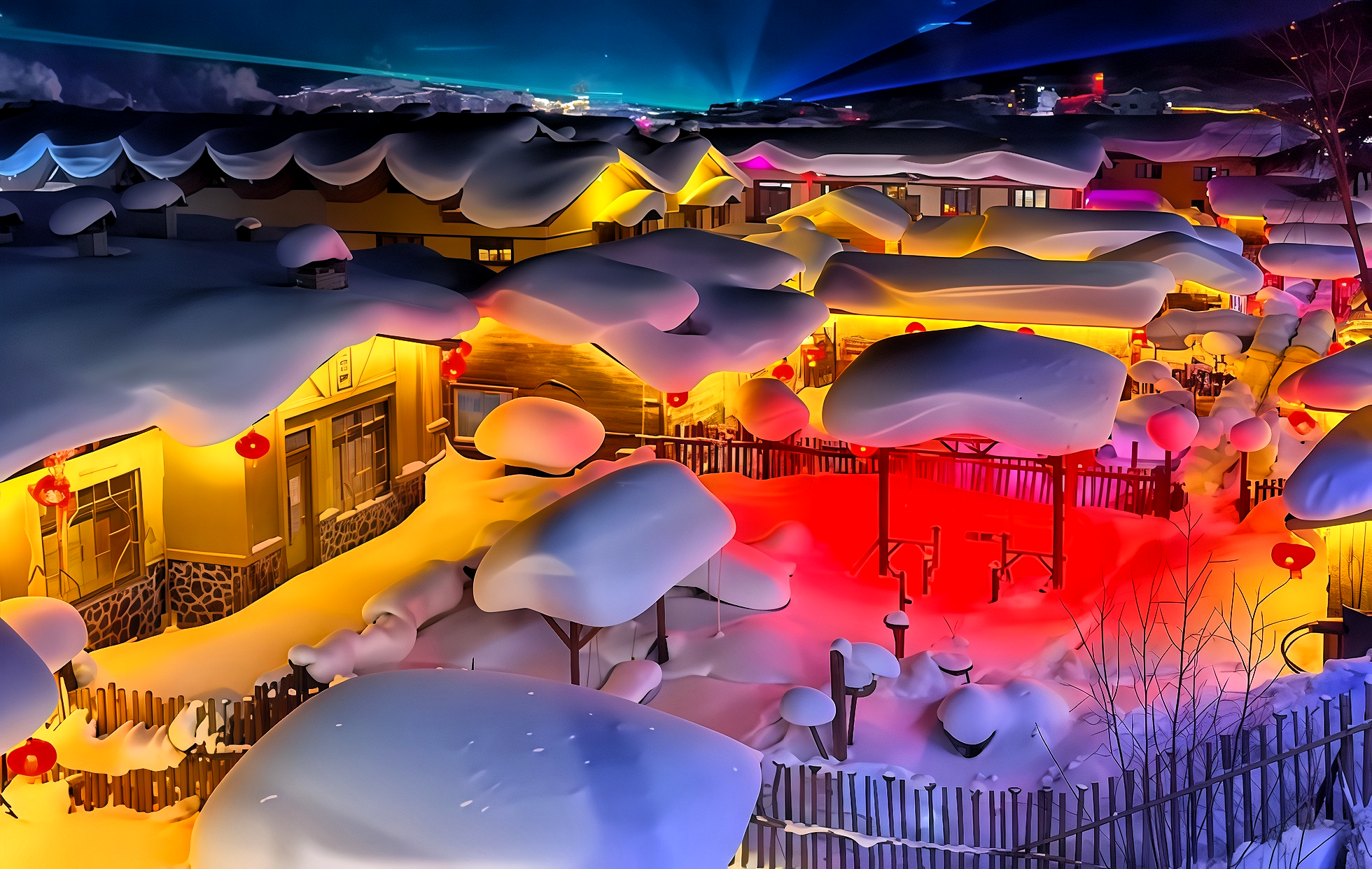
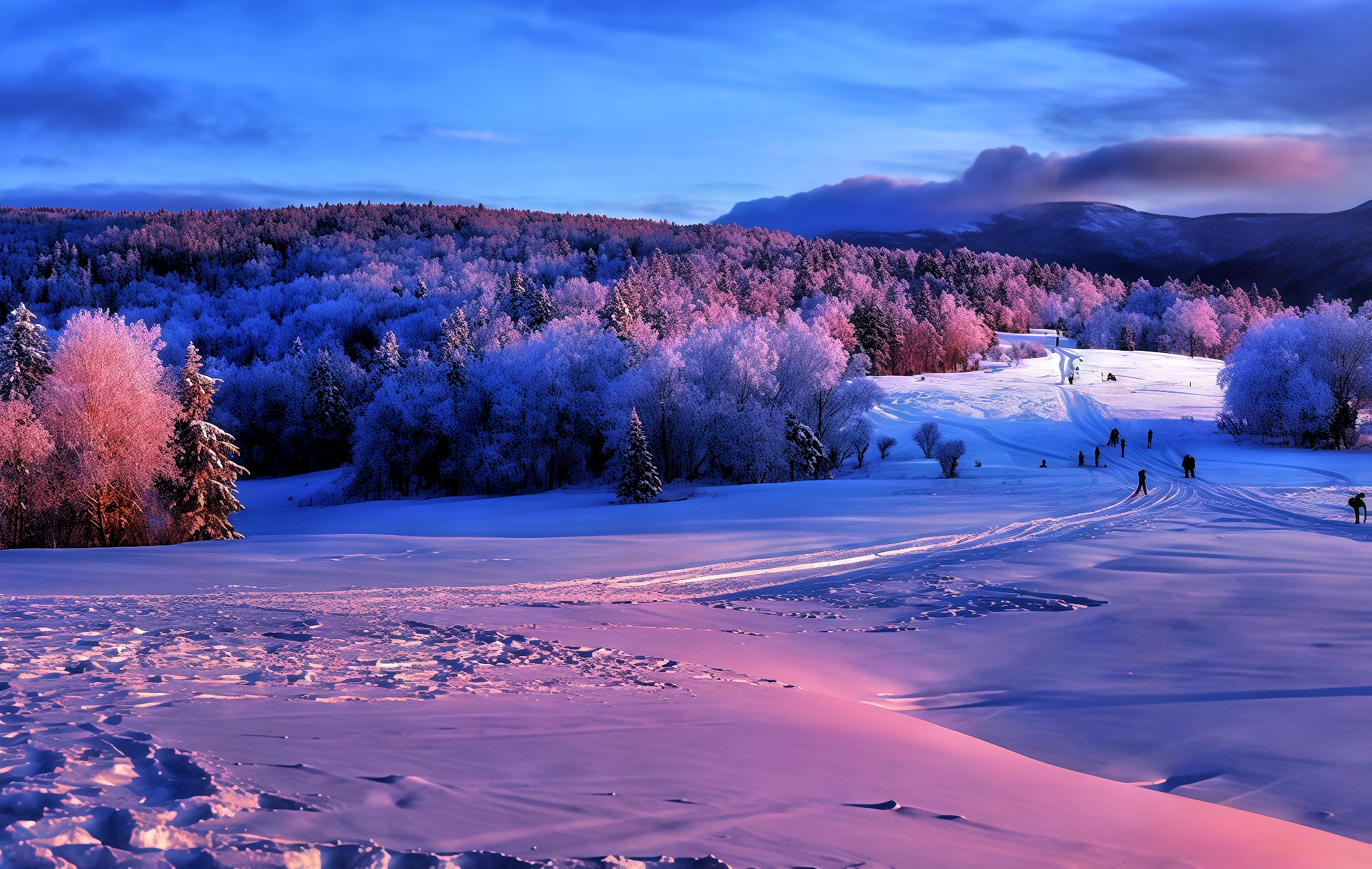
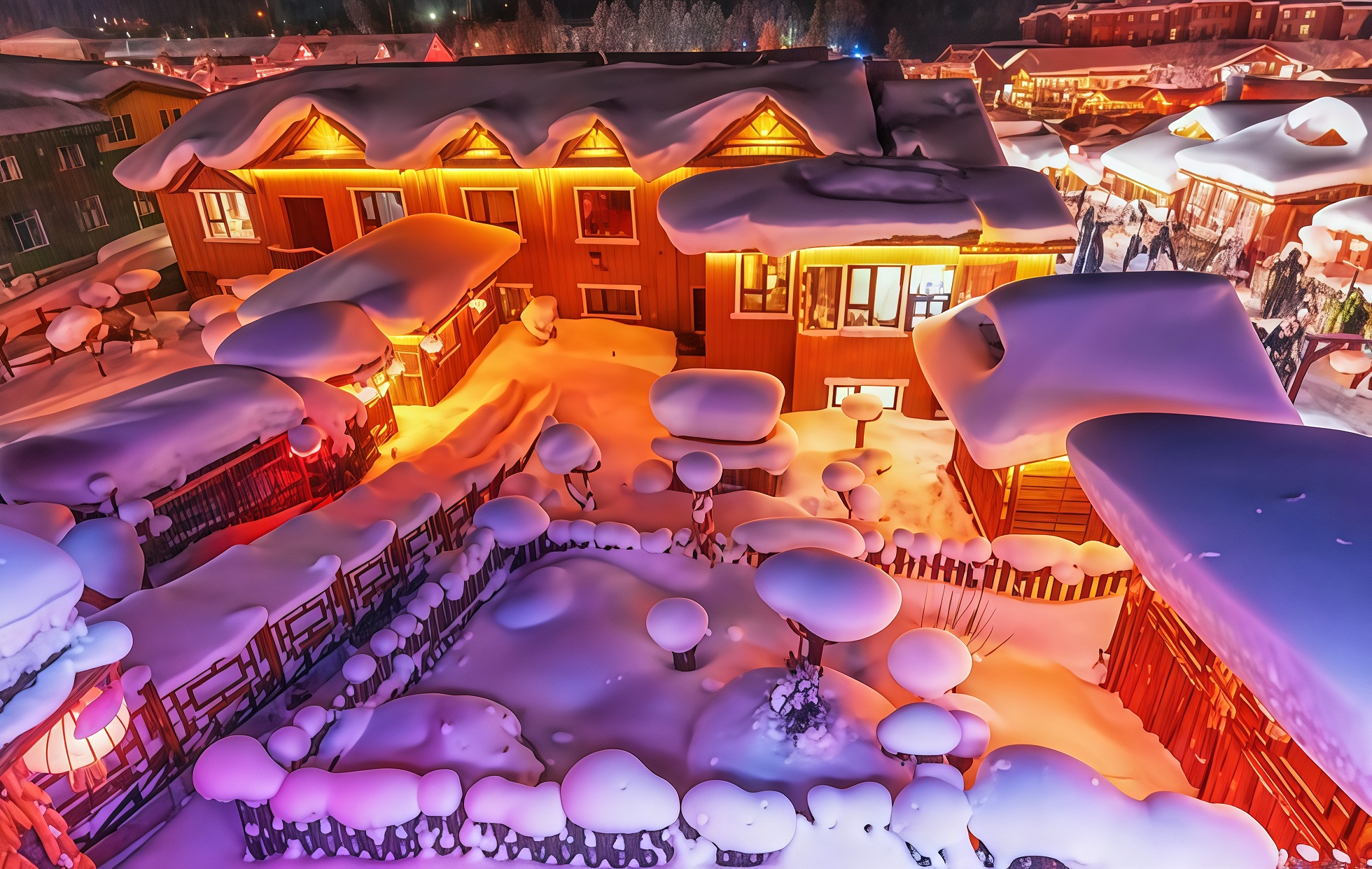
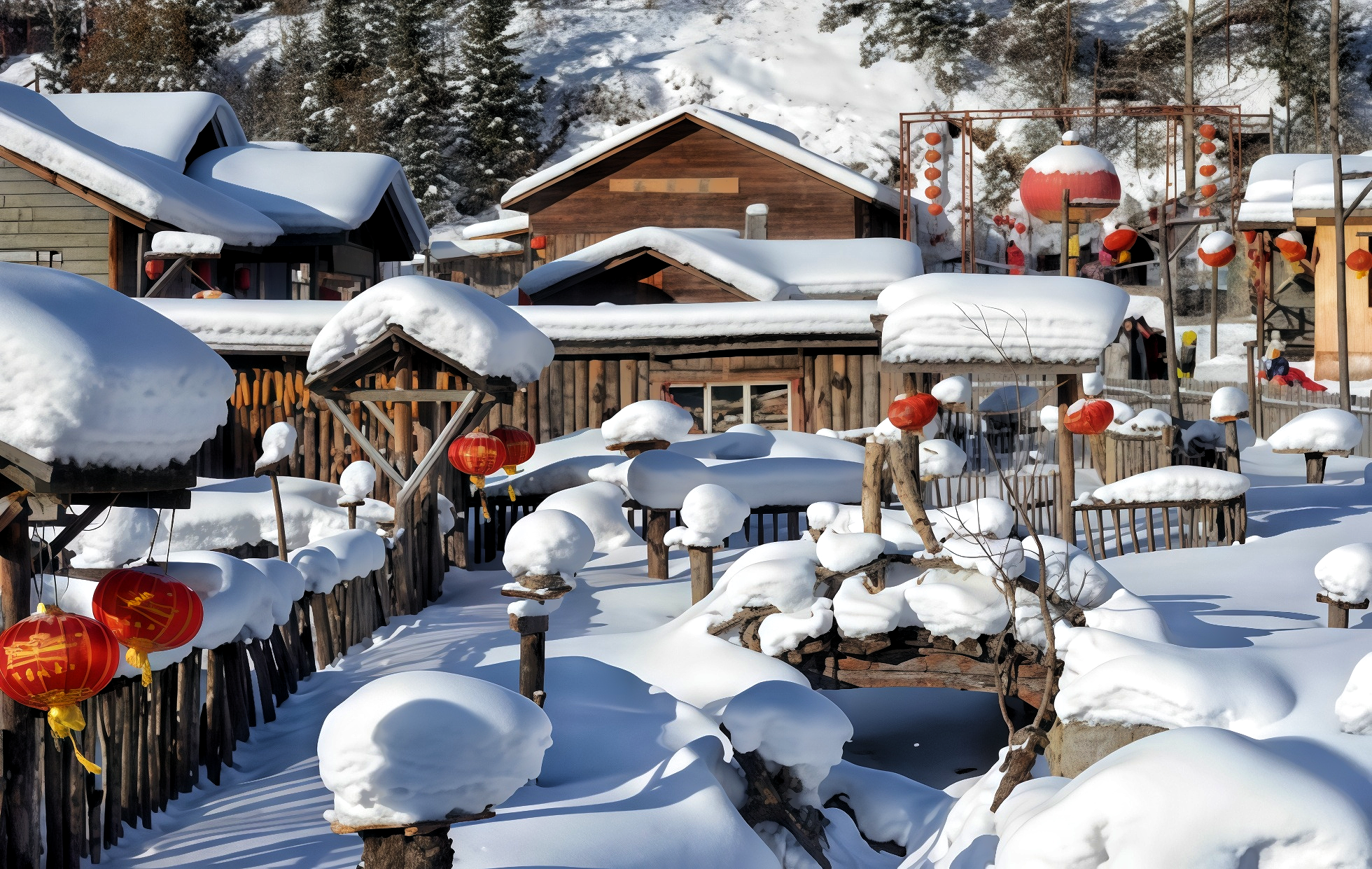
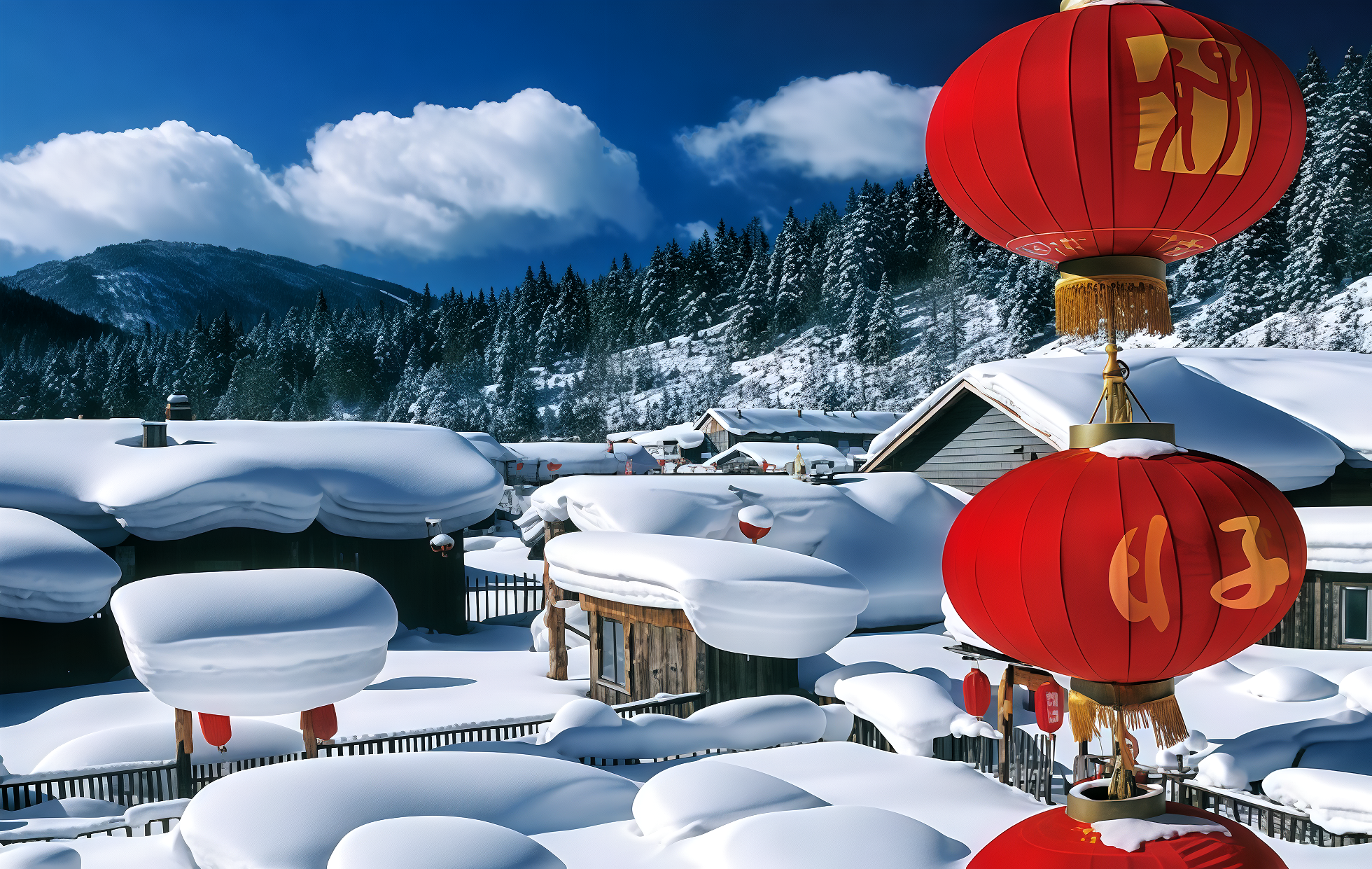
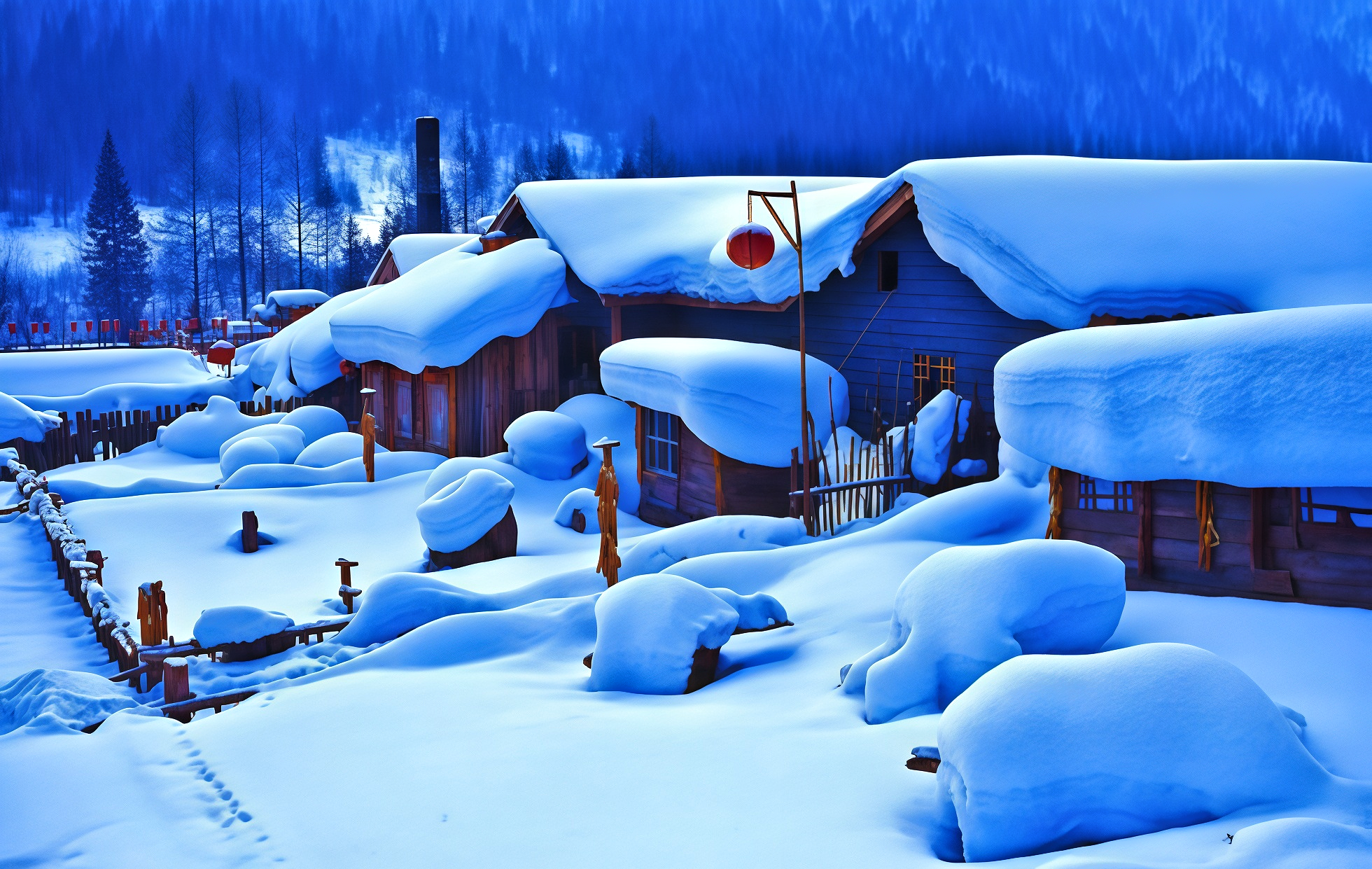
The snow in Snow Town is truly unique. Due to the frequent convergence of cold air currents from Lake Baikal and warm, moist air currents from the Sea of Japan—combined with the specific microclimate created by the region's towering mountains and dense forests—the area is blessed with a remarkable landscape where "summer rarely sees three consecutive sunny days, and winter sees snow blanketing the entire forest." Snowfall typically begins in October and continues until April of the following year—a snow season spanning a full seven months—with snow depths often reaching around two meters. The snow molds itself to the contours of every object, taking on a myriad of forms to create inimitable natural snow sculptures known as "snow mushrooms," "snow cakes," and "snow tongues."
Yangcao Mountain: The Vantage Point of the Snowy Forest Sea
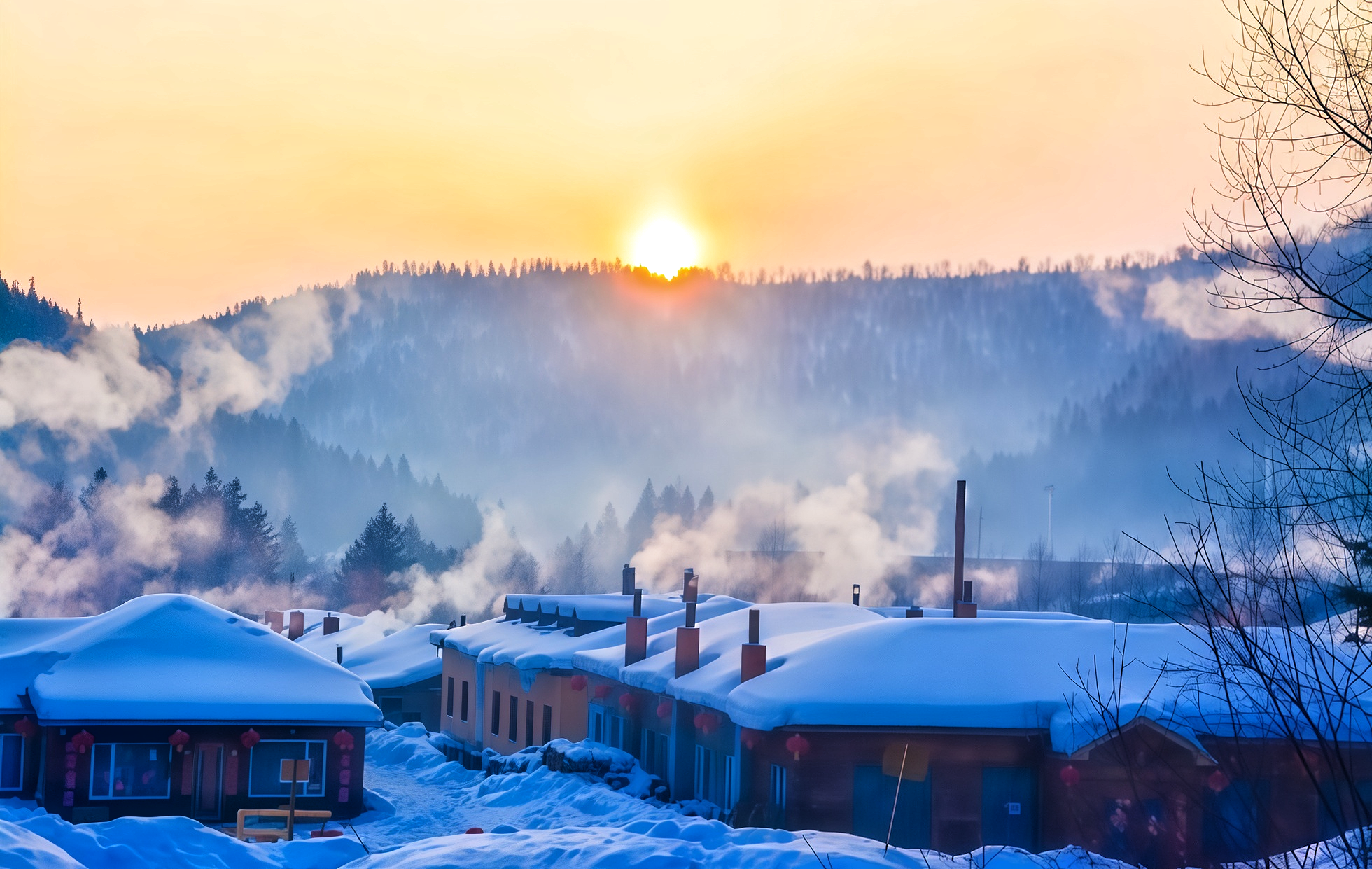
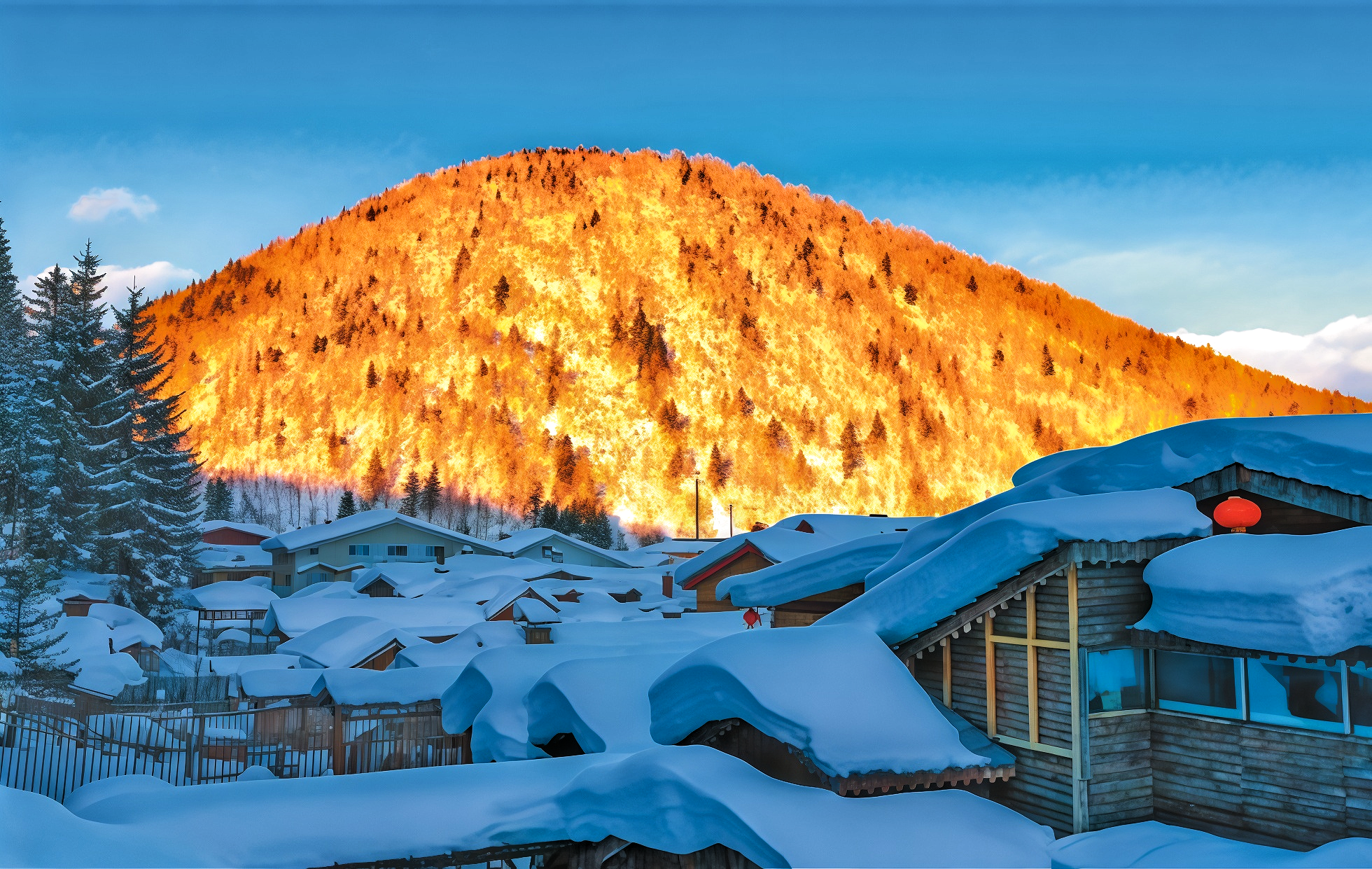
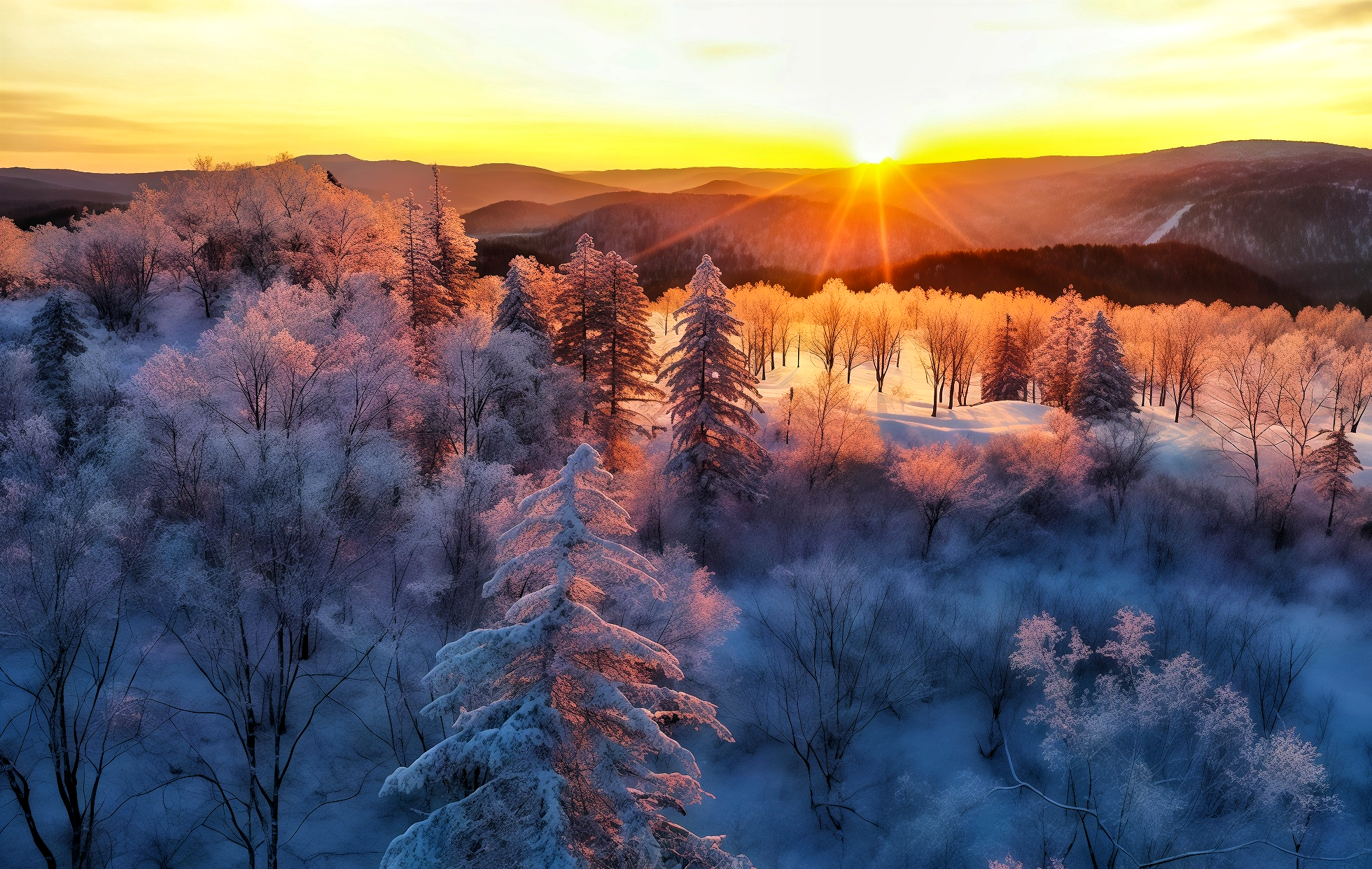
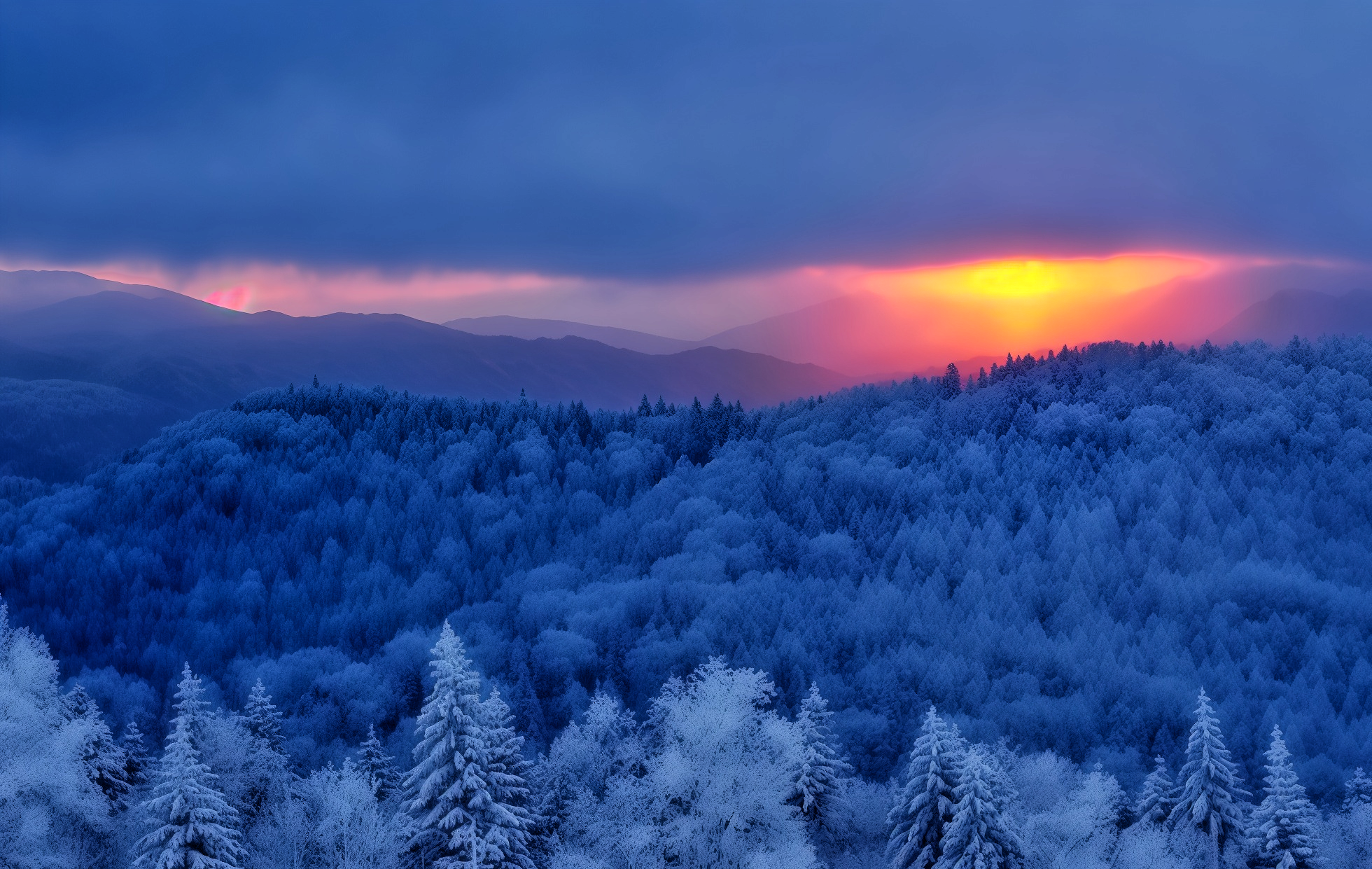
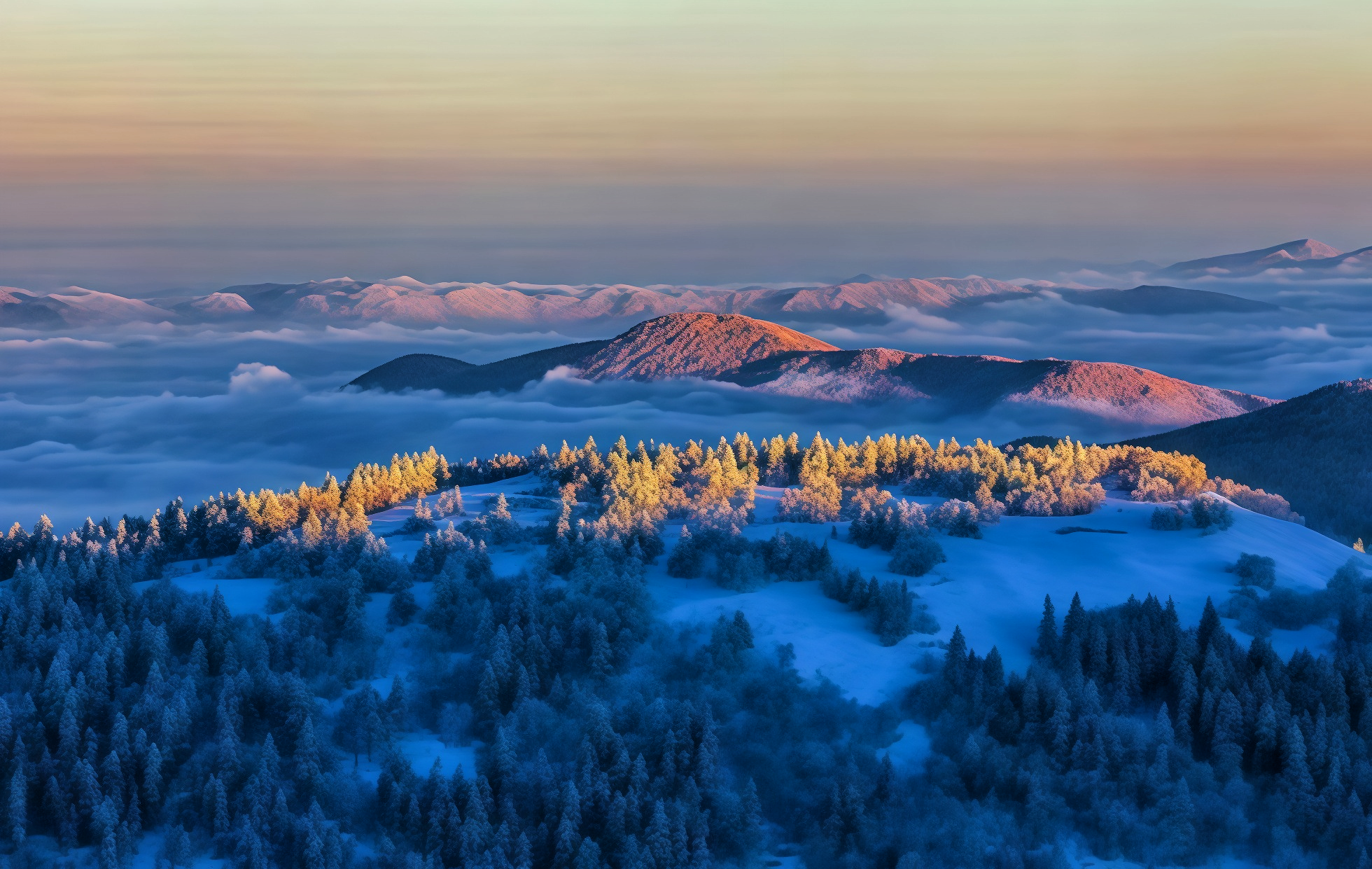
Standing at an elevation of 1,235 meters, Yangcao Mountain serves as the premier scenic overlook in Snow Country. The mountaintop features sparse tree cover, blanketed instead by a dense growth of broad-leaf camphor grass, beneath which lies a deep layer of snow during the winter months. It is an exceptional location for witnessing both the sunrise and sunset over Snow Country, as well as a classic route for hiking expeditions across the snowy forest wilderness. In the early morning, as the first rays of sunlight spill across the pristine white snow, the entire valley is bathed in a golden glow; with wisps of cooking smoke curling upward from the chimneys, the scene transforms into a veritable fairyland.
The Great Snow Valley and the Ice & Snow Gallery: Hidden Realms Deep Within the Snowfields
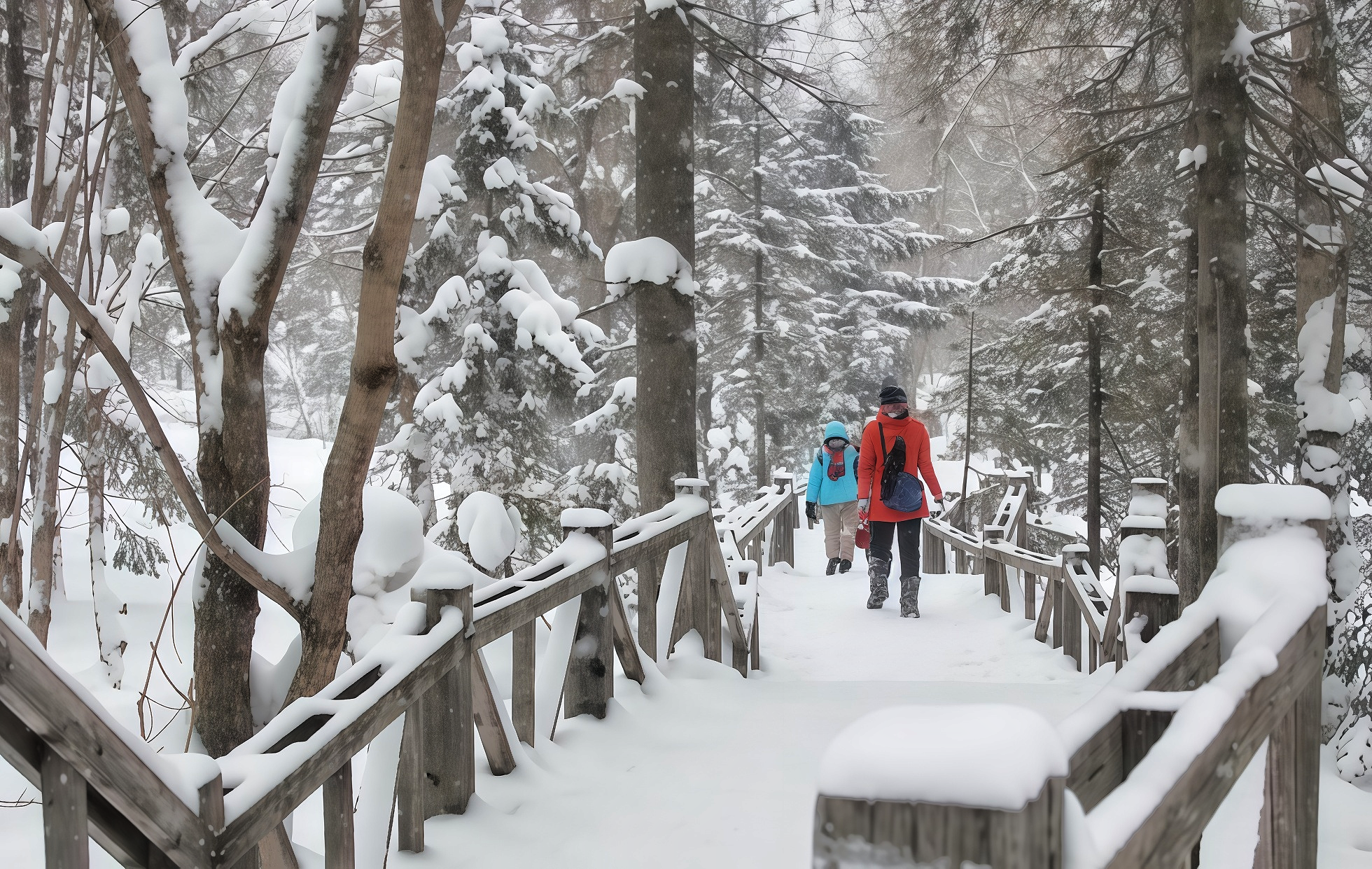
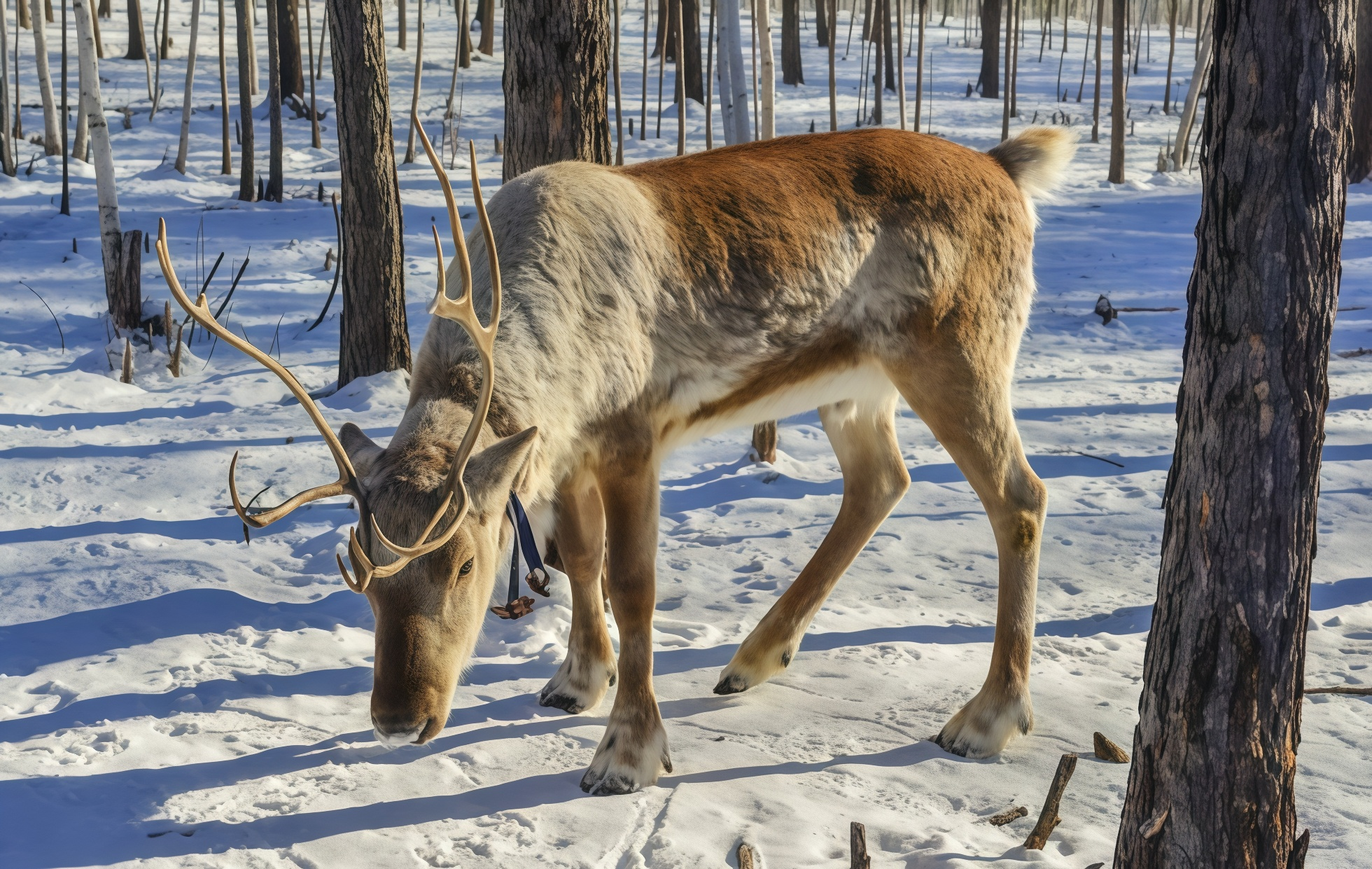
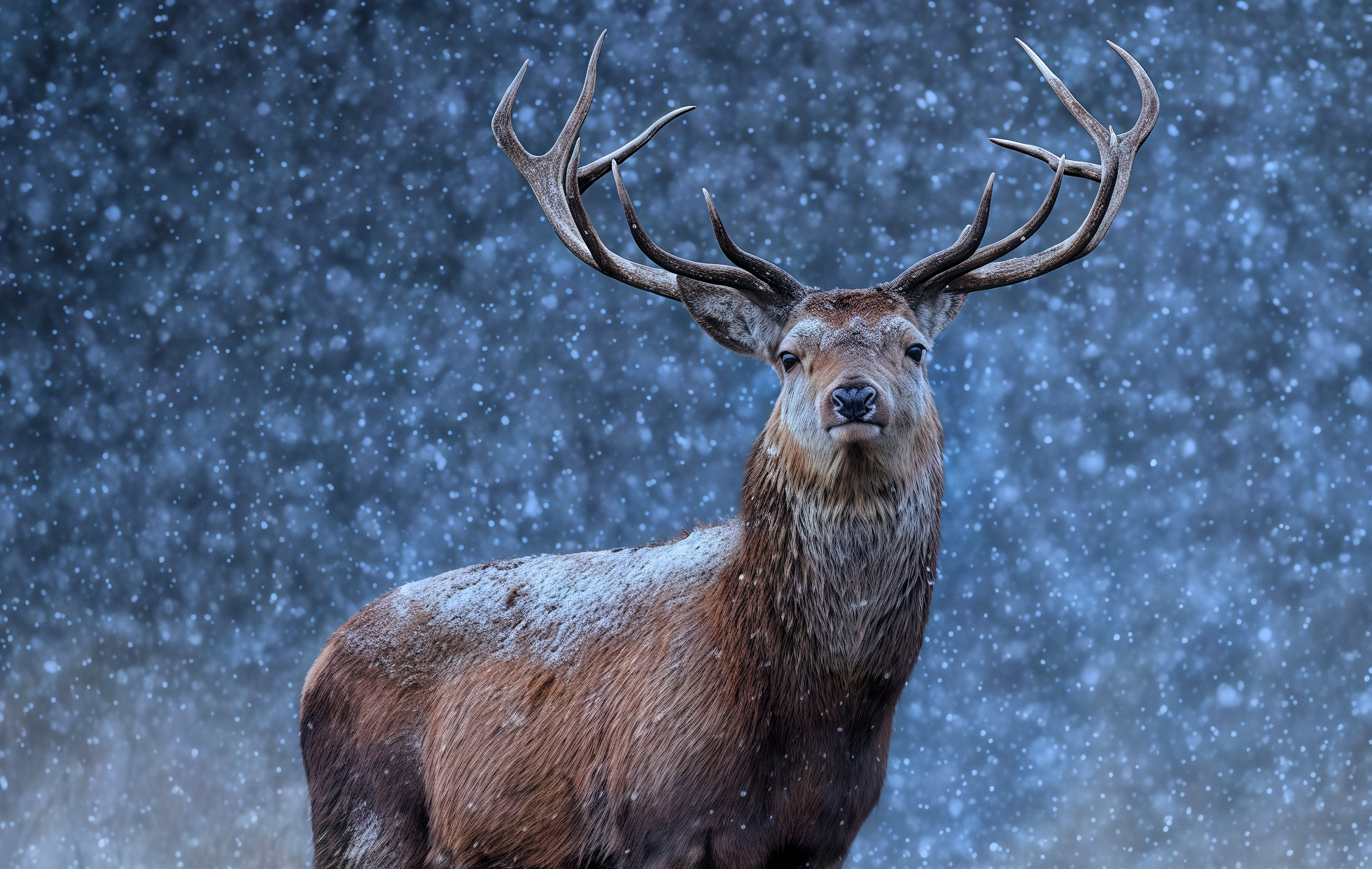
Traveling along the Yaxue Highway, the Ice & Snow Gallery serves as the "prelude" to Snow Country. On either side, rime ice adorns the tree branches while "snow mushrooms" dot the forest floor, creating the sensation of stepping into a magnificent, unfolding scroll painting of ink and snow. The site also features a reindeer park, offering visitors the opportunity for intimate encounters with these gentle creatures. The Great Snow Valley, meanwhile, served as a filming location for cinematic works such as The Taking of Tiger Mountain; preserving the authentic atmosphere of a historic logging camp, it allows visitors to experience the exhilarating spirit of "trekking through the forest sea and traversing the snowy plains."
Heilongjiang's Highest Peak: Laotudingzi
Standing at an elevation of 1,686.9 meters, Laotudingzi ("Old Bald Peak") reigns as the highest of Heilongjiang's three majestic peaks, its summit remaining snow-capped throughout the year. To reach the top, visitors must board tracked vehicles or snowmobiles—an experience that evokes the historic sensation of being "exiled to Ningguta." In the mountain hollows, snow depths can reach up to three meters, presenting the ultimate challenge for avid snow enthusiasts.
> Phtography Tips:
> - The best times for photography are one hour after sunrise and one hour before sunset (specifically between 3:30 PM and 4:30 PM).
> - The wooden boardwalk located within the "Dream Home" scenic area offers a classic vantage point for capturing images of the "snow mushrooms" and the enchanting night scenery. > - The observation deck at the end of Xueyun Avenue offers panoramic views of Snow Town.
> - The evening lights typically switch on around 4:30 PM; be sure to set up your camera gear in advance.
Cultural Craftsmanship: Northeastern Charm Amidst the Snowy Plains
Xueyun Avenue: Snow Town’s "Chang'an Avenue"
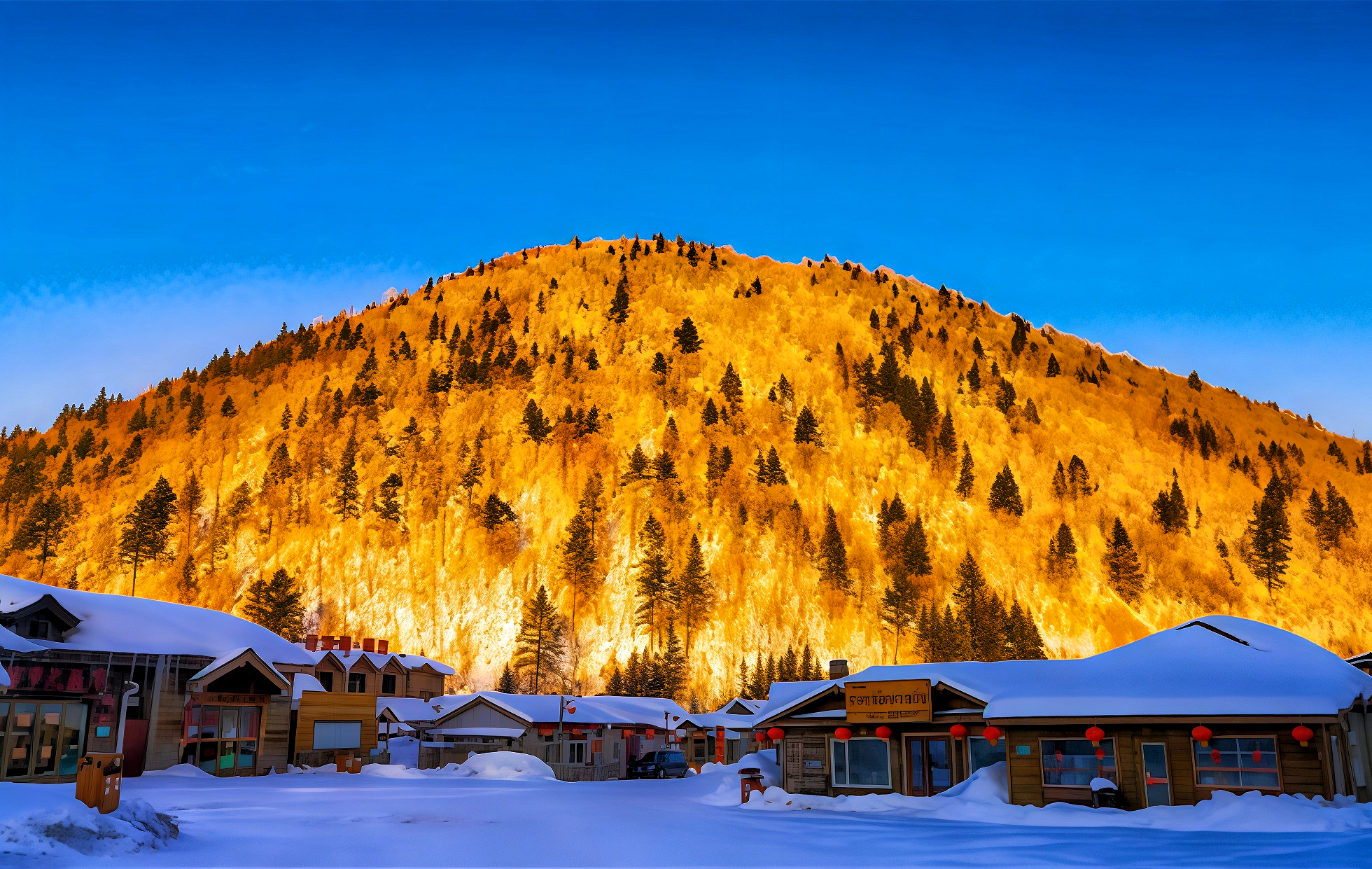
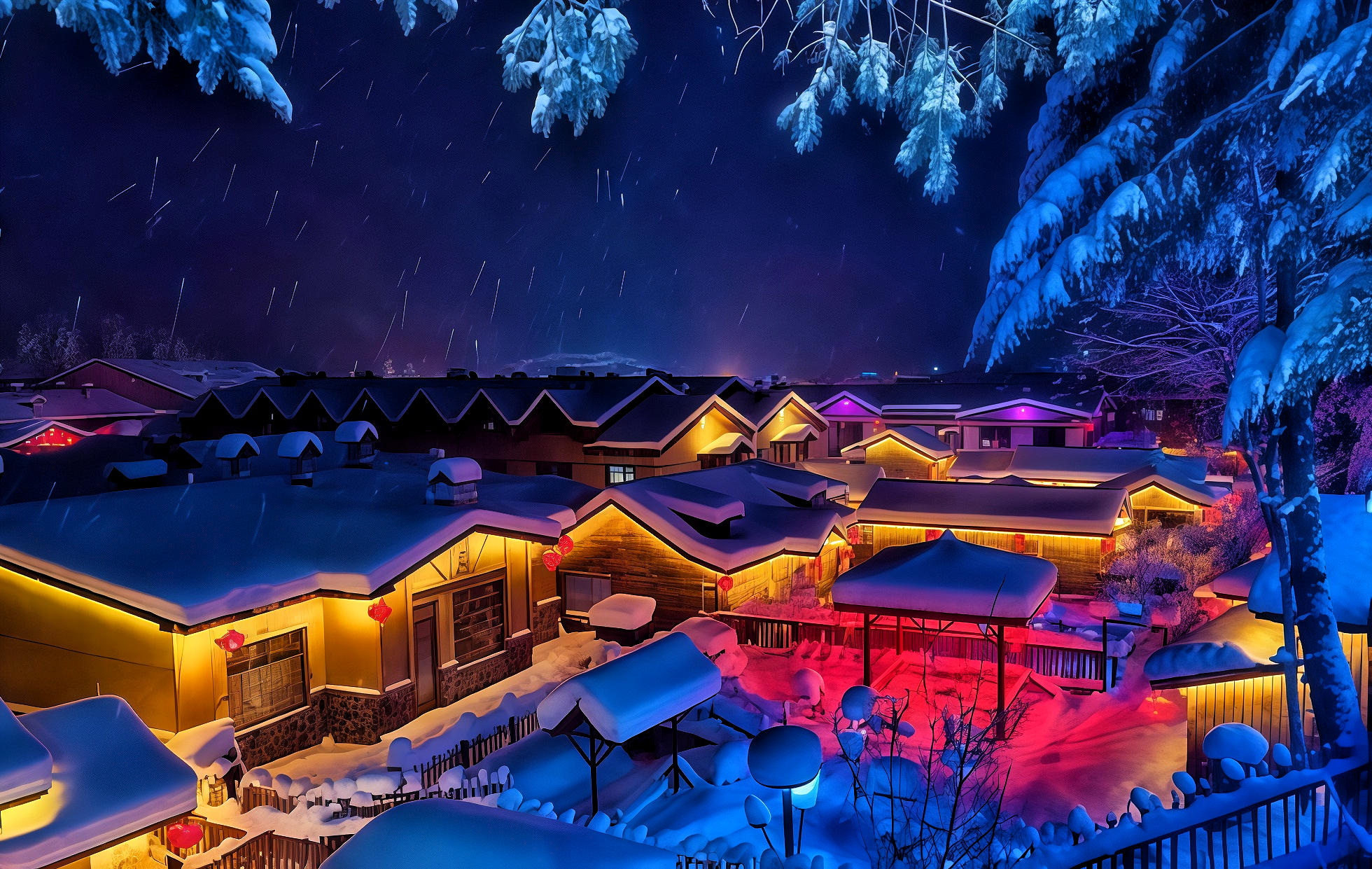
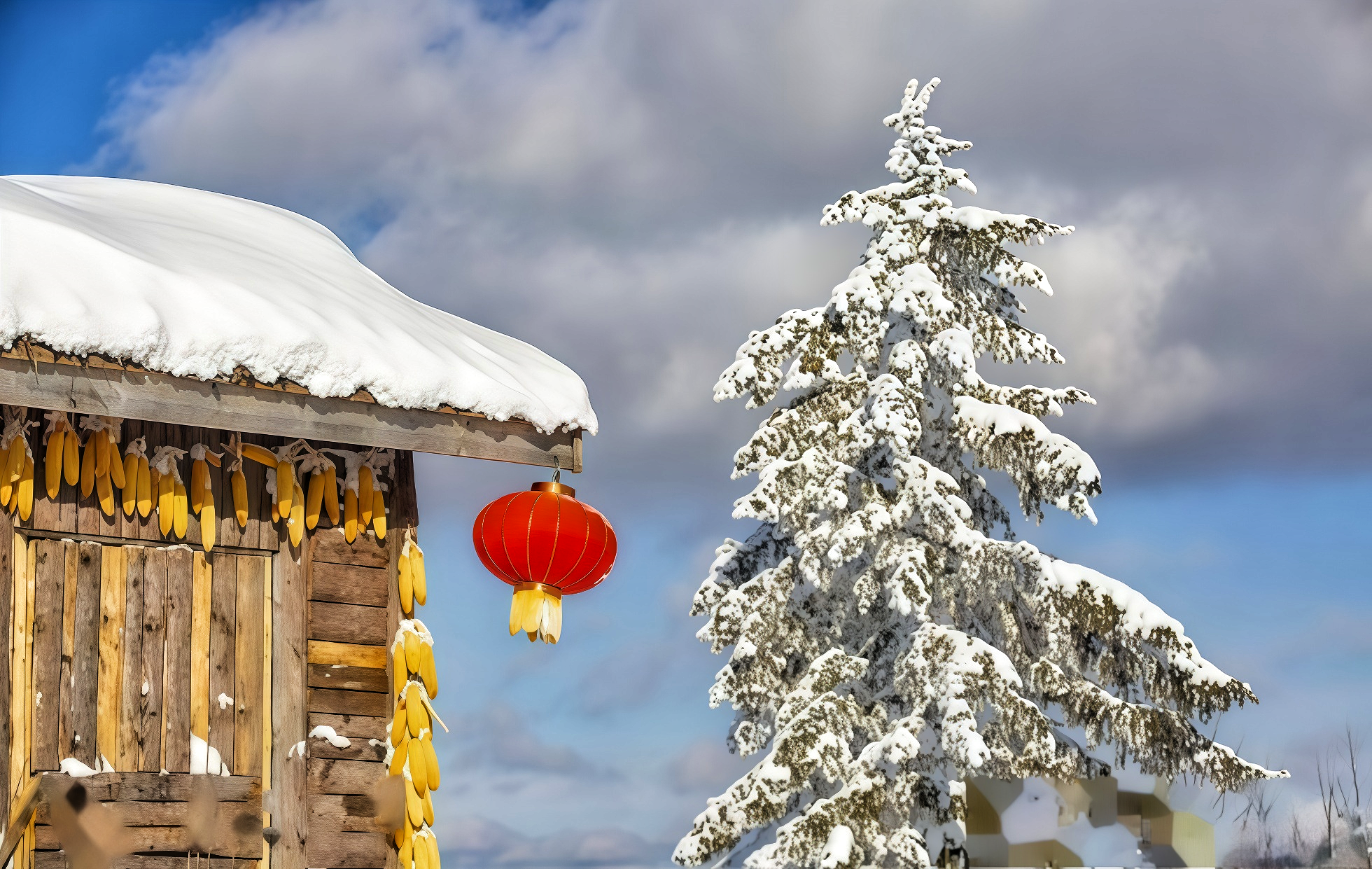
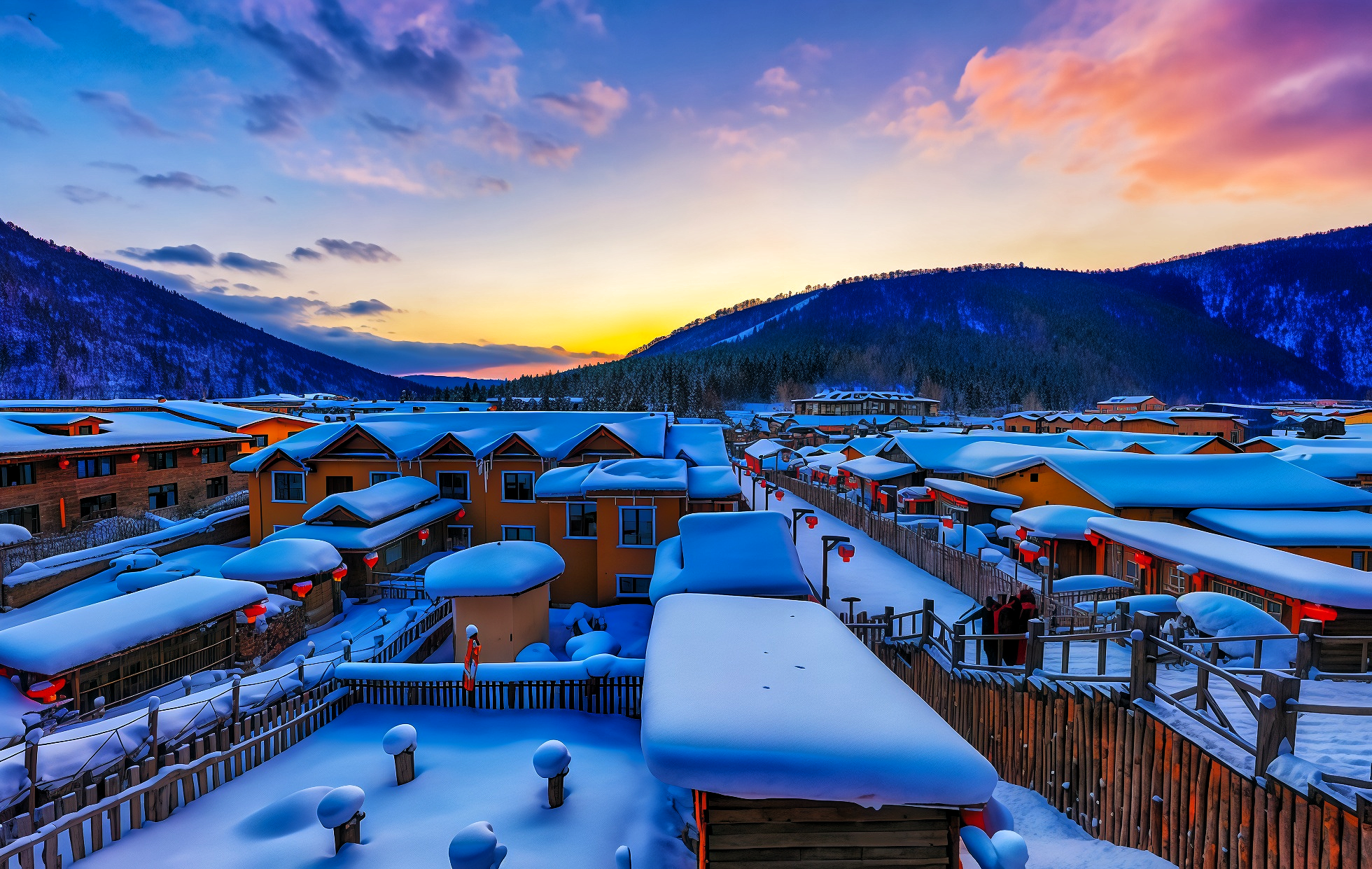
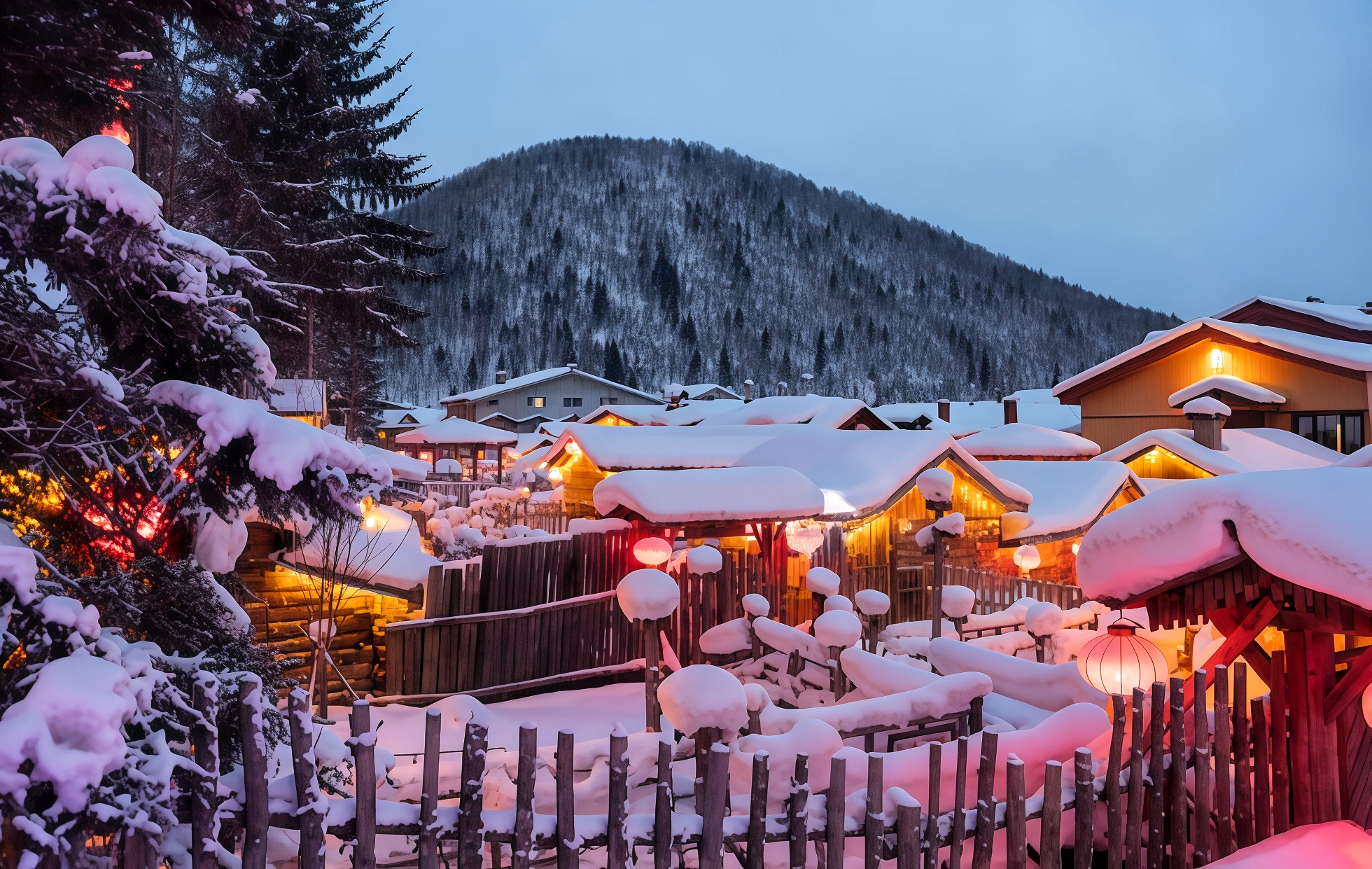
Xueyun Avenue is the sole main thoroughfare in Snow Town, originally serving as the railway station for the local forestry farm. A local rhyme captures the essence of the place: "One street, three forks; surrounded by mountains on three sides, where the wind rarely blows. One river, three streams; homes nestled by the hills and water flow." Lining both sides of the street are wooden houses featuring pale yellow walls and large crimson lanterns; ears of corn and strings of red chili peppers hang from the walls, appearing exceptionally vivid against the backdrop of the pristine white snow. At night, with red lanterns hanging high and their warm glow reflecting off the snow, a stroll through the street feels like stepping back in time—right into the nostalgic New Year prints of one's childhood.
Dream Home: The Ultimate Showcase of "Snow Mushrooms"
Located at the foot of Bangchui Mountain, "Dream Home" covers an area of 7,000 square meters. The structures here are original buildings left behind by film and television crews, with their exteriors meticulously preserved in their original state. The "snow mushroom" formations found here are the most exquisite in the region—layered, rounded, and plump—making this the prime location for capturing stunning night photography. While an admission ticket is required to enter Dream Home, this requirement also serves to keep the crowds at bay, allowing you to enjoy these magnificent vistas from an exclusive, unobstructed vantage point.
Film & TV Base: Cinematic Memories of the Snowy Forest Sea
The China Snow Town Film and Television Base is situated approximately 20 li (about 10 kilometers) southwest of Snow Town. It occupies the former site of the headquarters for the 158th Forestry Logging Farm. Over the years, the base has hosted the filming of more than a dozen movies and TV series, including Breaking Through Kanto, The Police Chief, and The North Wind Blows. Spanning 2.8 hectares, the site features over thirty distinct structures—including a "Hall of Righteous Gathering" for legendary outlaws, a dueling arena, and the ruins of a secret camp used by the Northeast Anti-Japanese United Army—making it the ideal destination for immersing oneself in the captivating stories and history of the Northeast region.
Snow Town Cultural Exhibition Hall: A Window into the Soul of Snow Town
Inside the exhibition hall, visitors can explore detailed presentations covering the geological origins of Snow Town, its history of development, its deep historical roots within Manchu culture, and the rich heritage of its forestry industry. Since the Late Paleolithic era, indigenous inhabitants have lived in this region. During the Shang and Zhou dynasties, the area paid tribute to the Central Plains dynasties. Under the Jin Dynasty, it fell under the jurisdiction of the Jurchen Wanyan clan; during the Ming Dynasty, it served as a settlement for the Odoli clan of the Jianzhou Jurchens; and throughout the Qing Dynasty, the Manchu people thrived and multiplied here. Gaining this historical perspective will add a deeper dimension to your visit to Snow Town.
Snow Town State-Run Stores and "Caring Stations": Warm Guardians
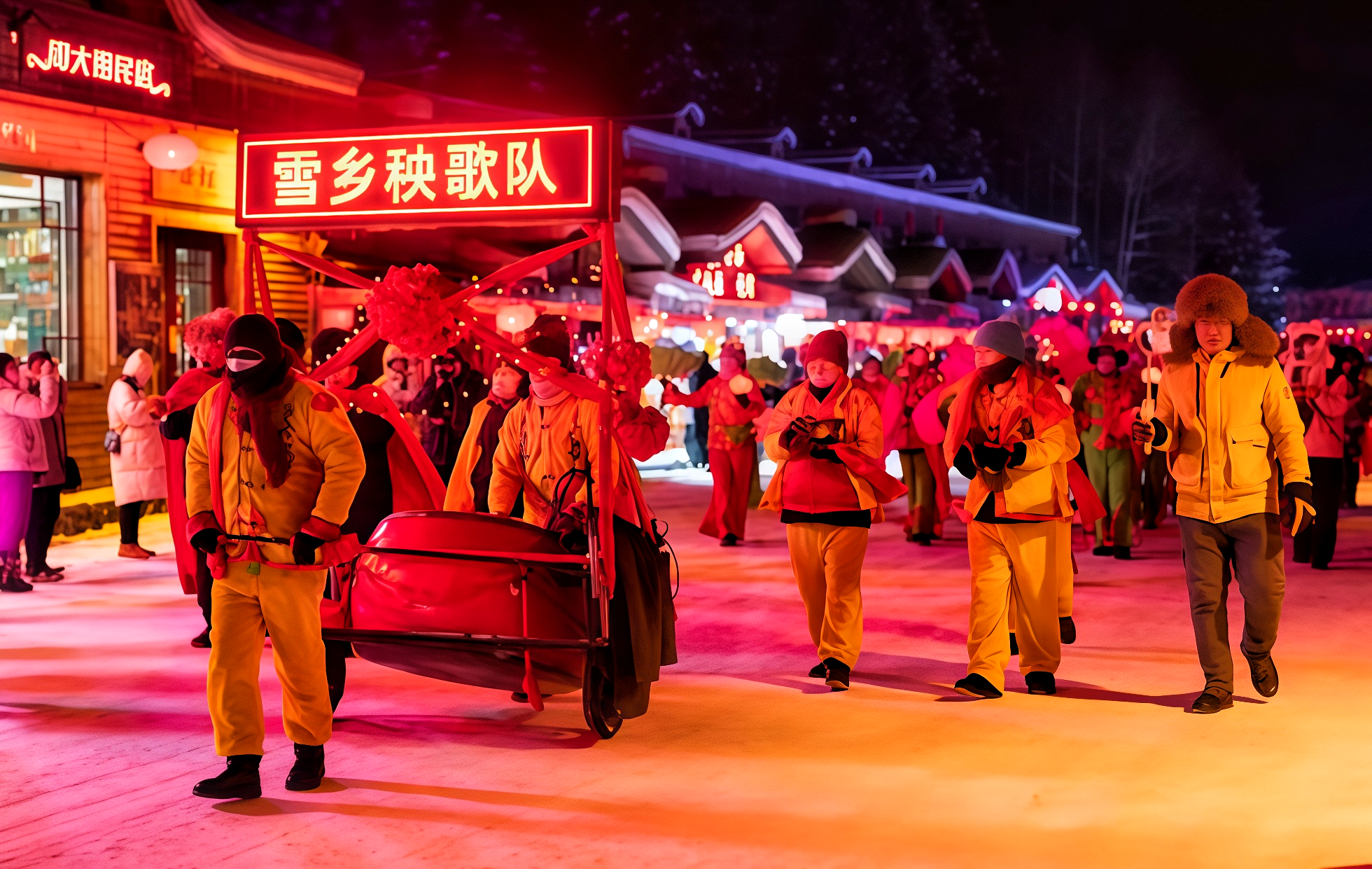
Over the past two years, the Dahailin Forestry Bureau has undertaken the renovation and upgrading of a number of state-run stores and cafeterias, taking the lead in lowering prices while simultaneously elevating service quality. Inside the "Caring Stations," complimentary brown sugar ginger tea, hot soy milk, and rock sugar-stewed pears are available to visitors at any time. Volunteers wearing LED badges that read "Ask Me for Help," along with dedicated "Caring Sleds," traverse the scenic area to provide free luggage-carrying assistance to tourists.