Nature's Handiwork—Sculpted by Wind, Painted by Light
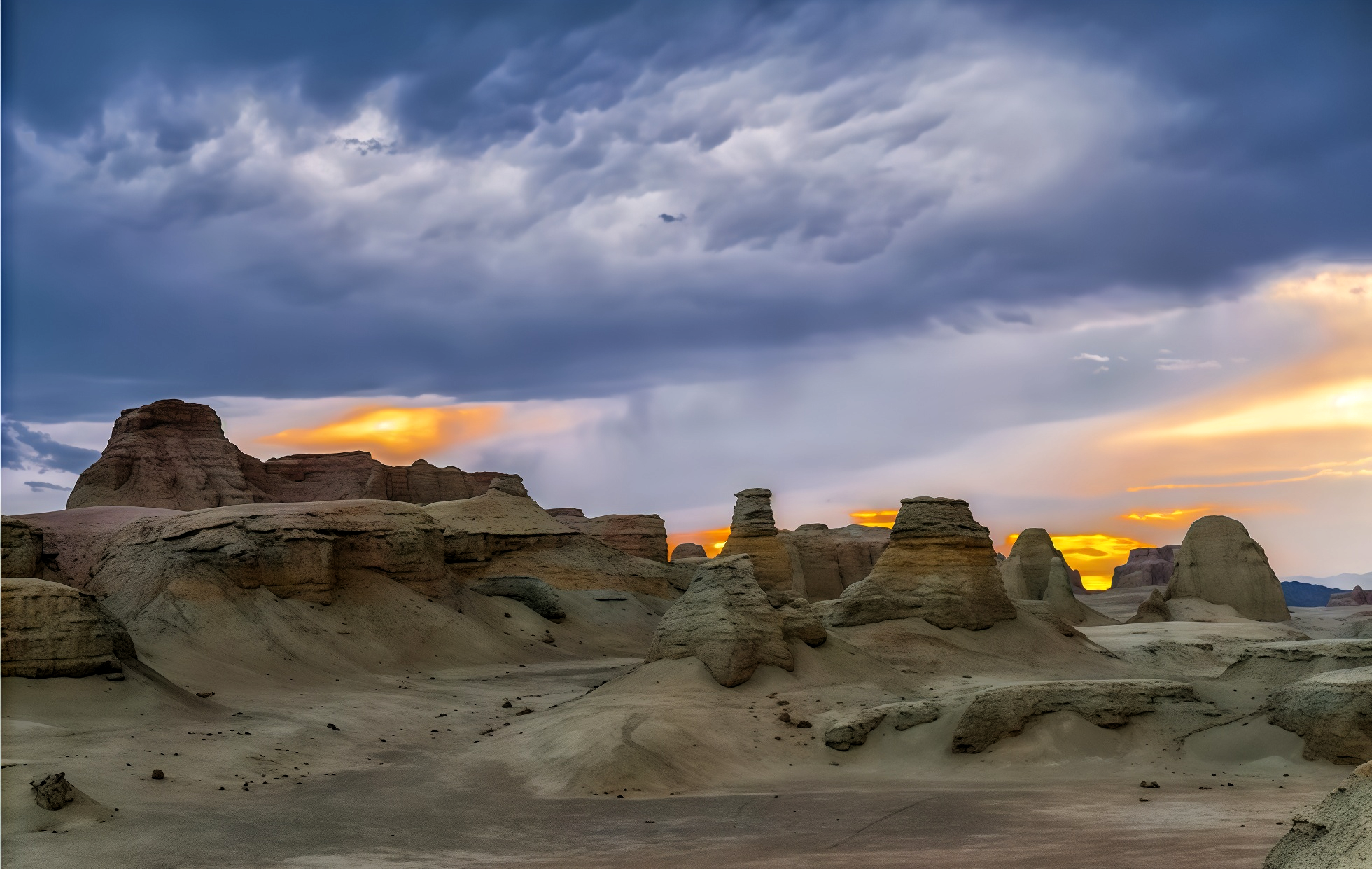
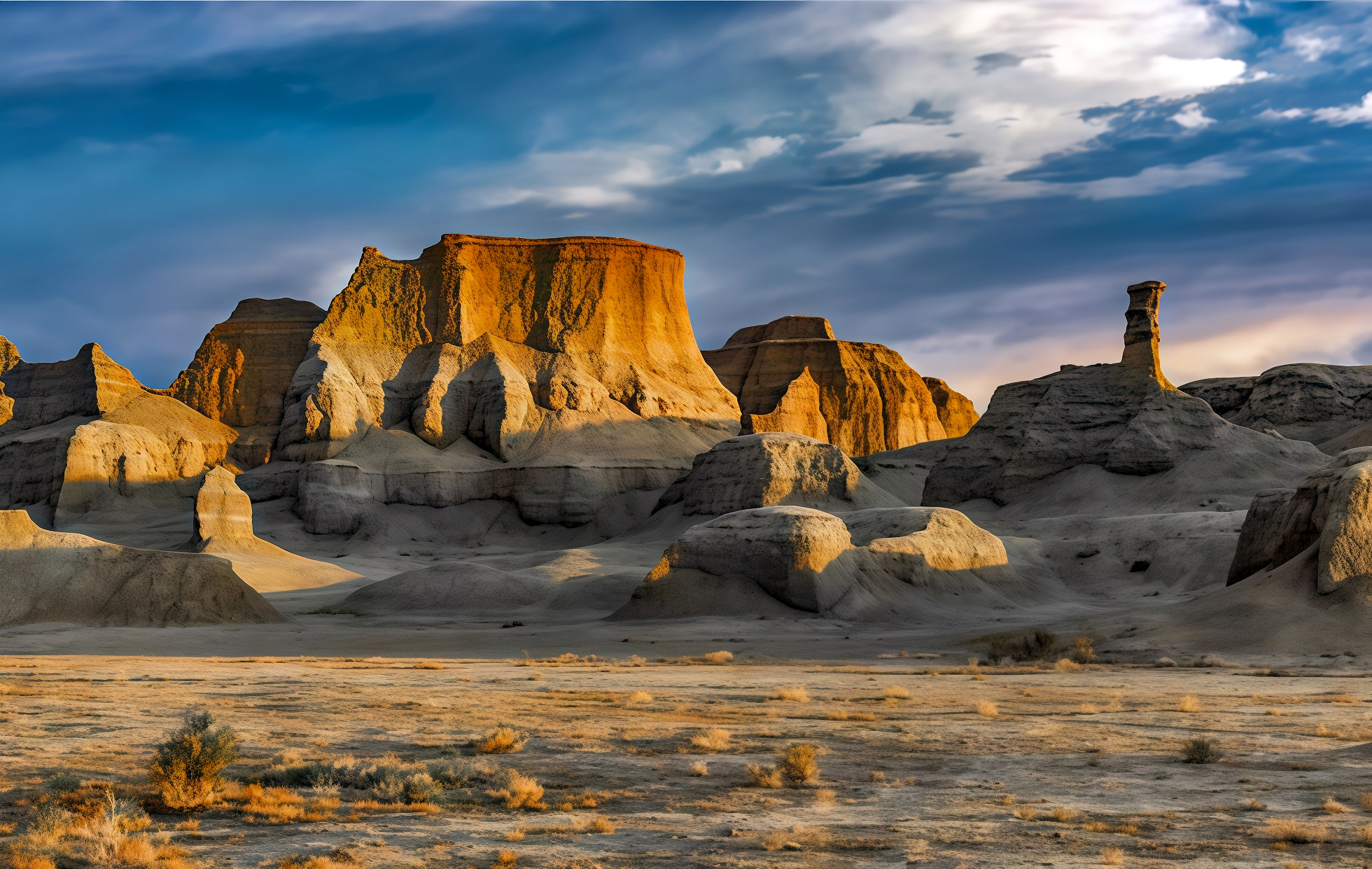
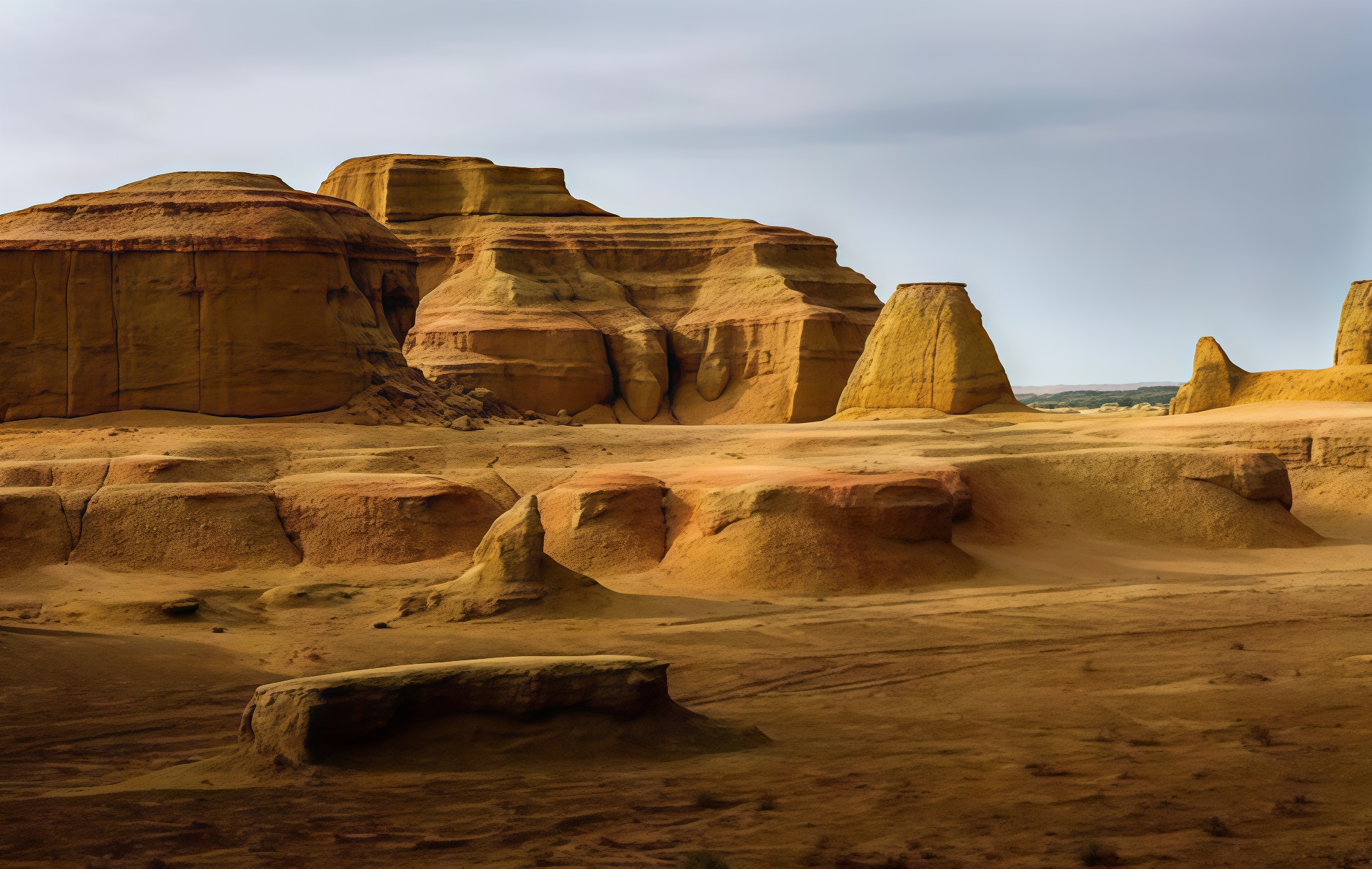
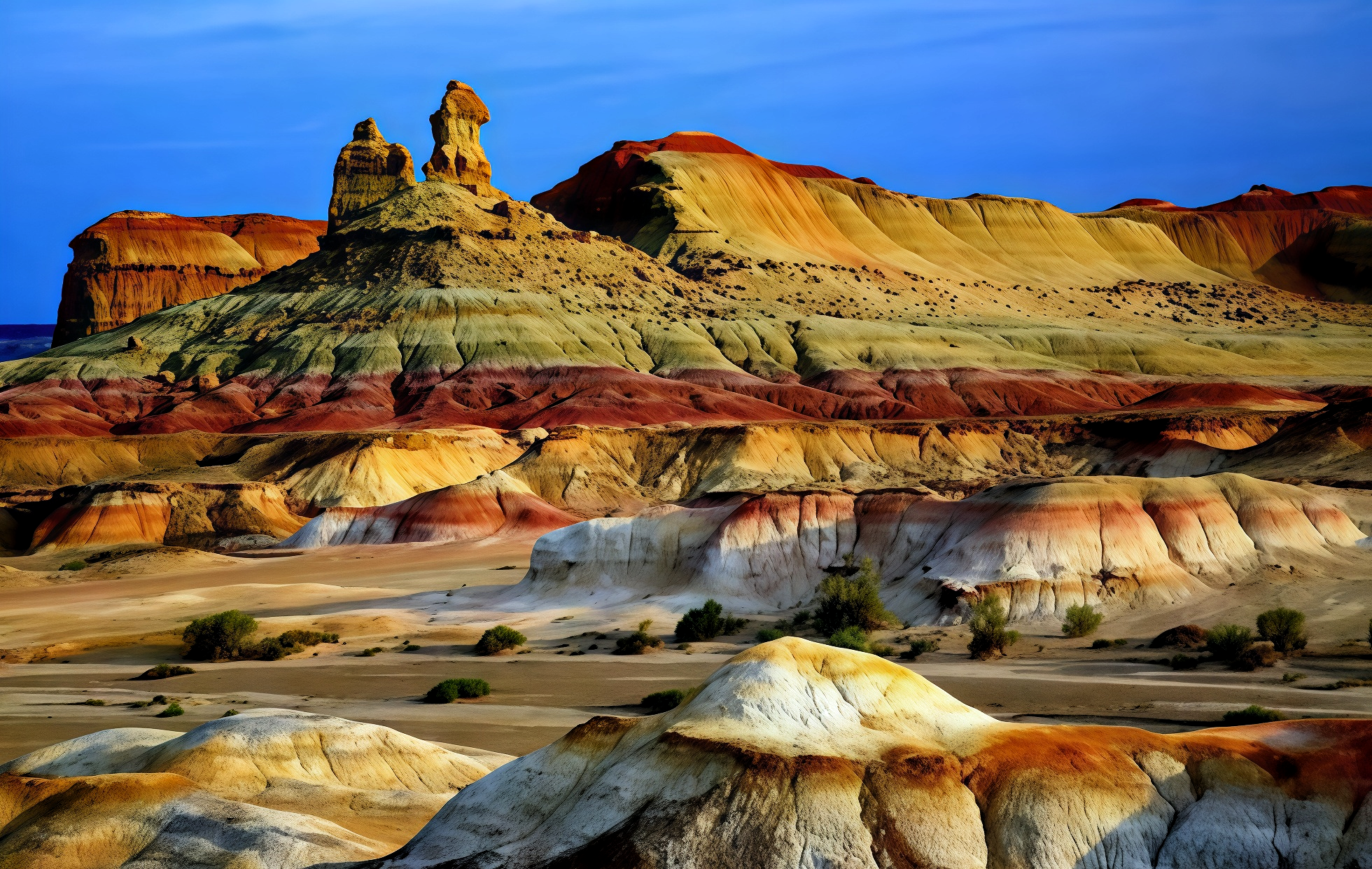
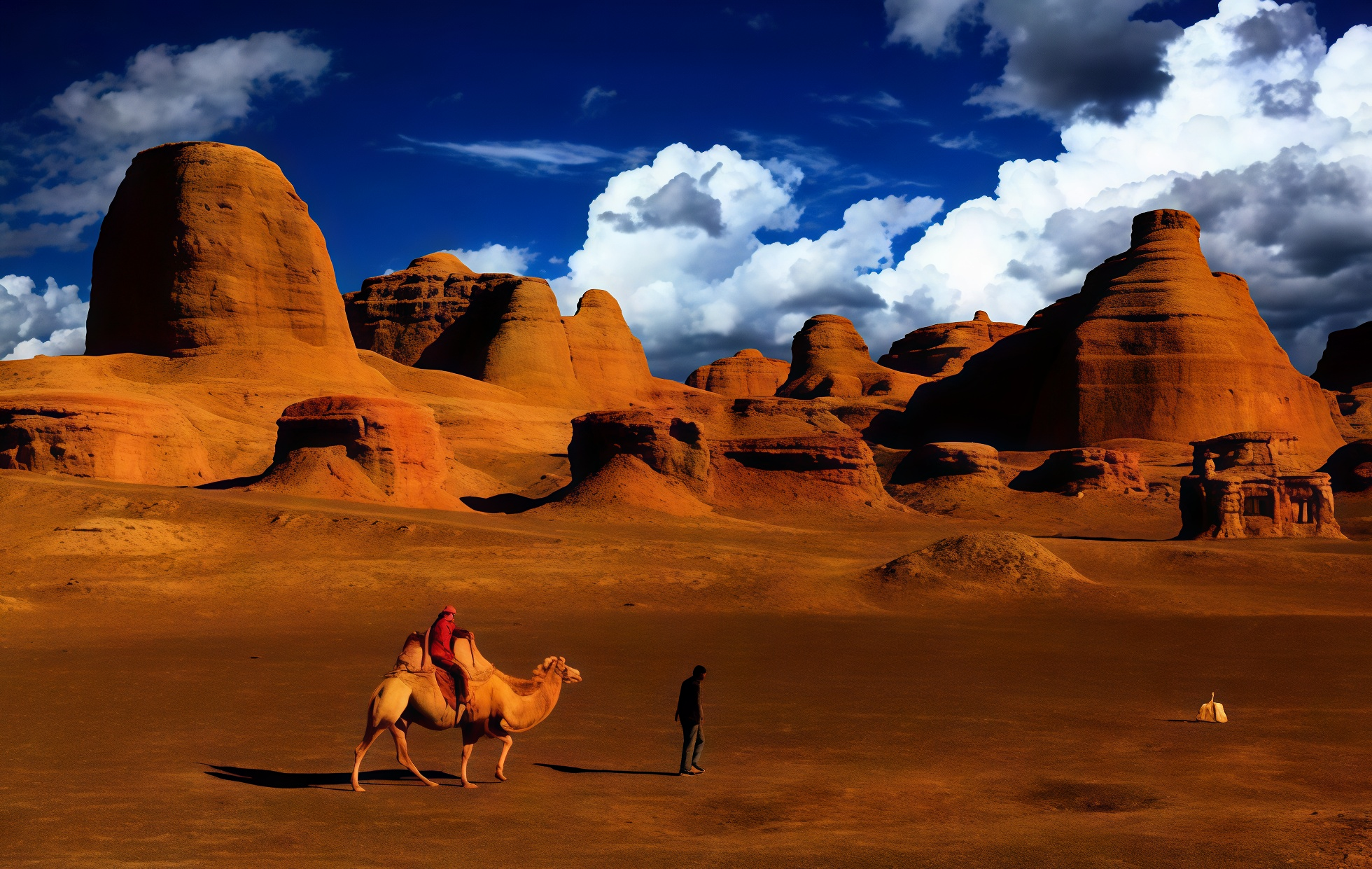
The natural landscape of the Urho Ghost City is an eternal dance of wind, stone, light, and shadow.
Craggy Stones: An Open-Air Museum Sculpted by Wind and Sand
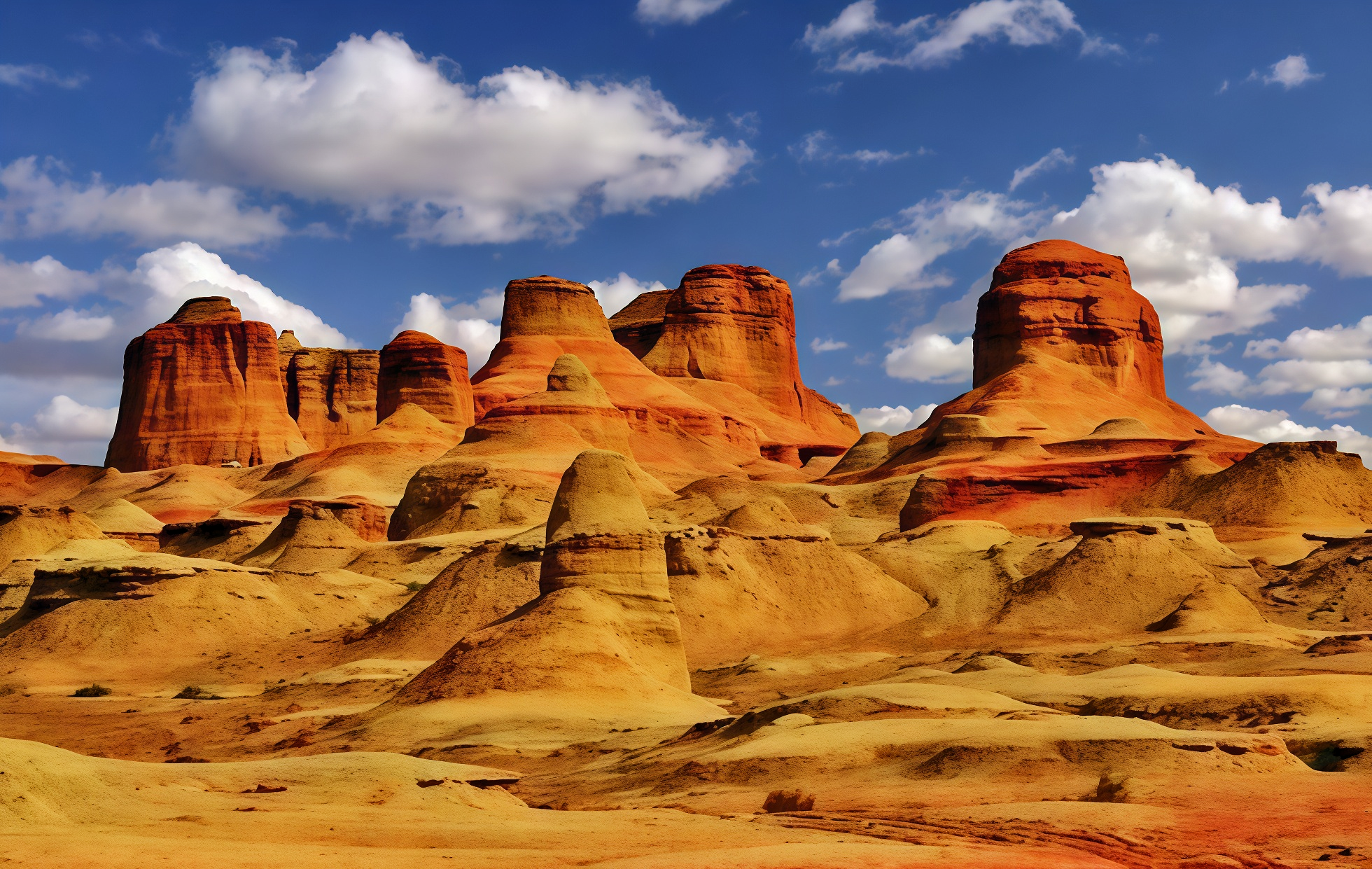
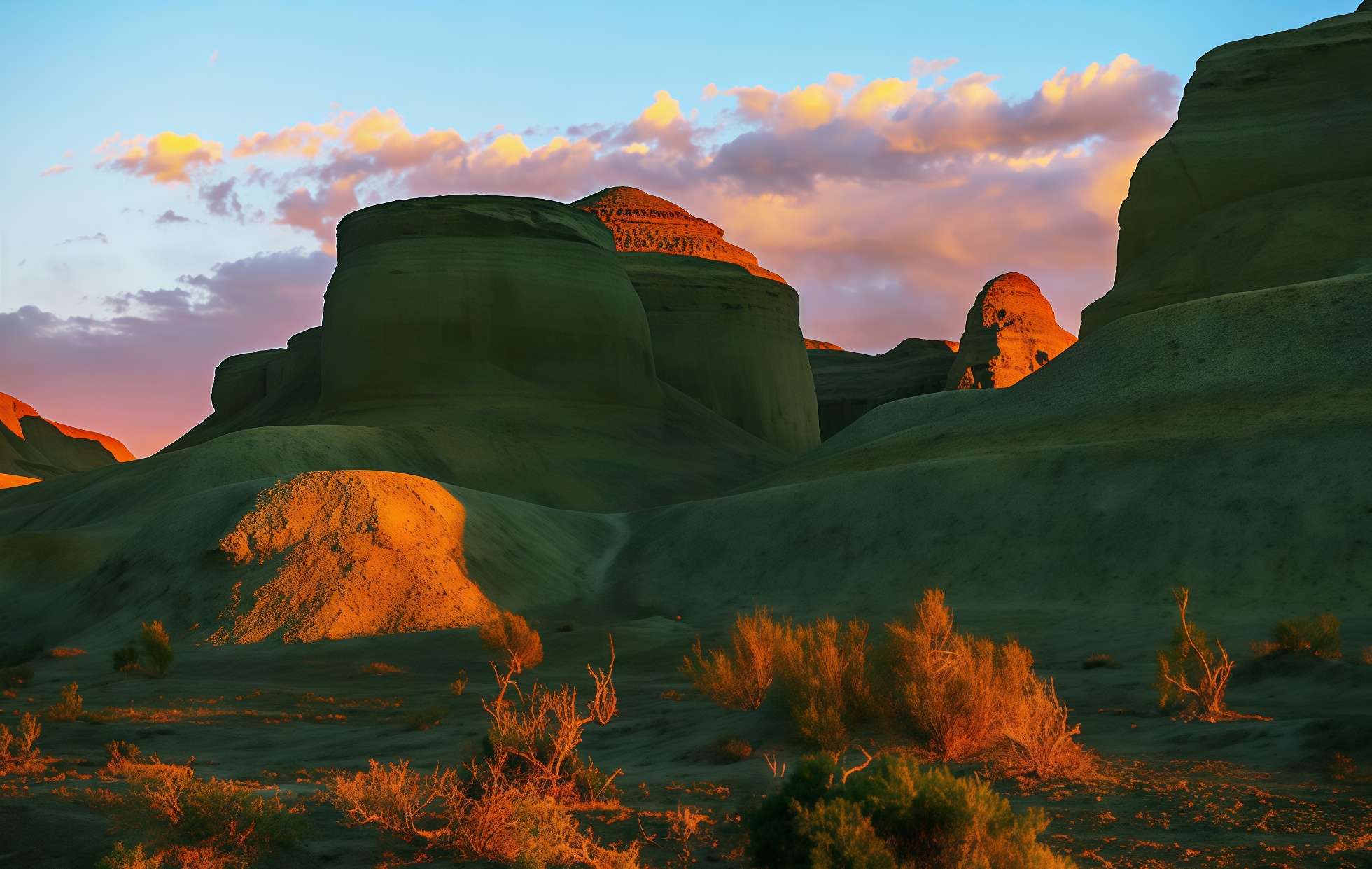
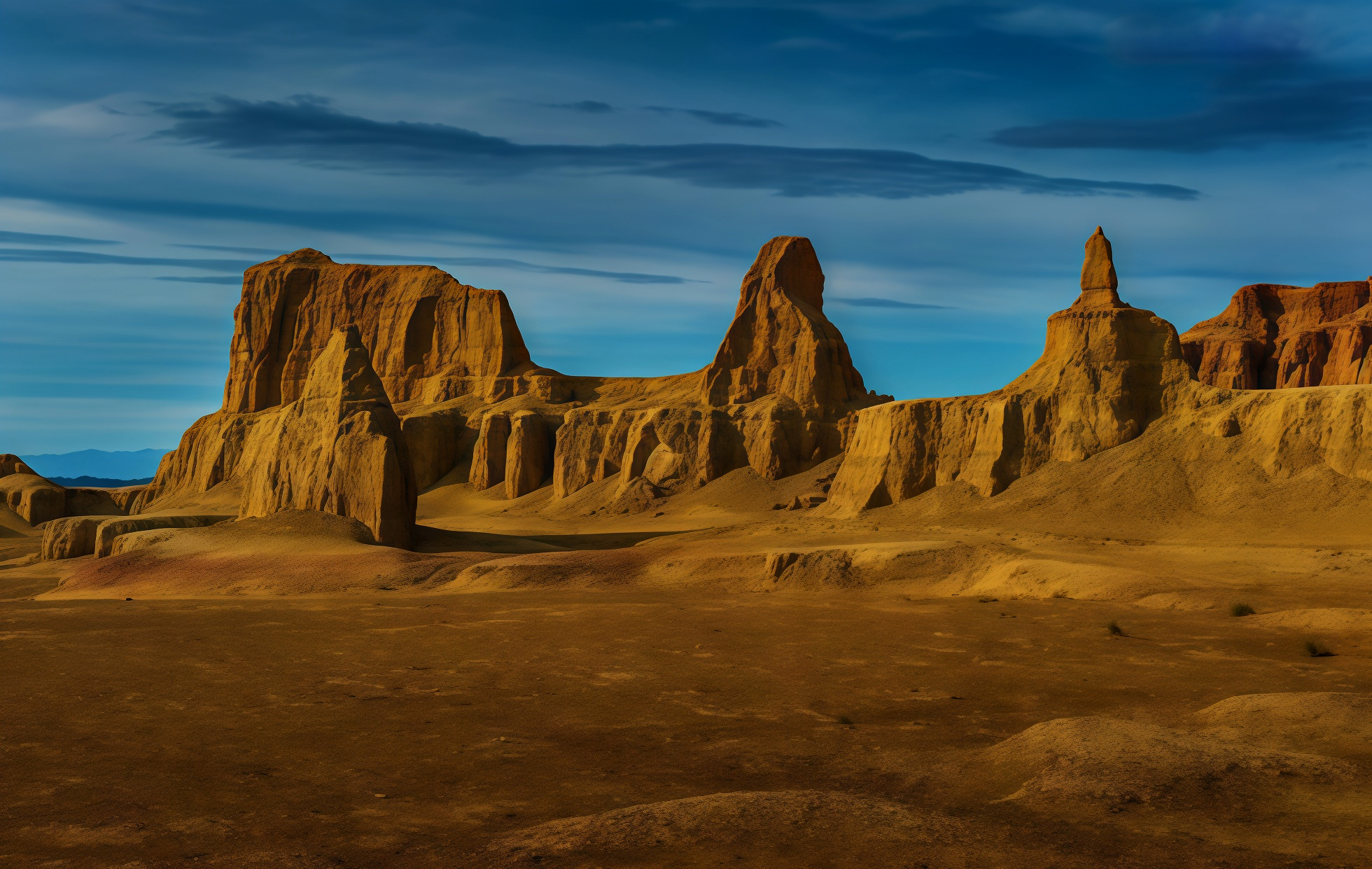
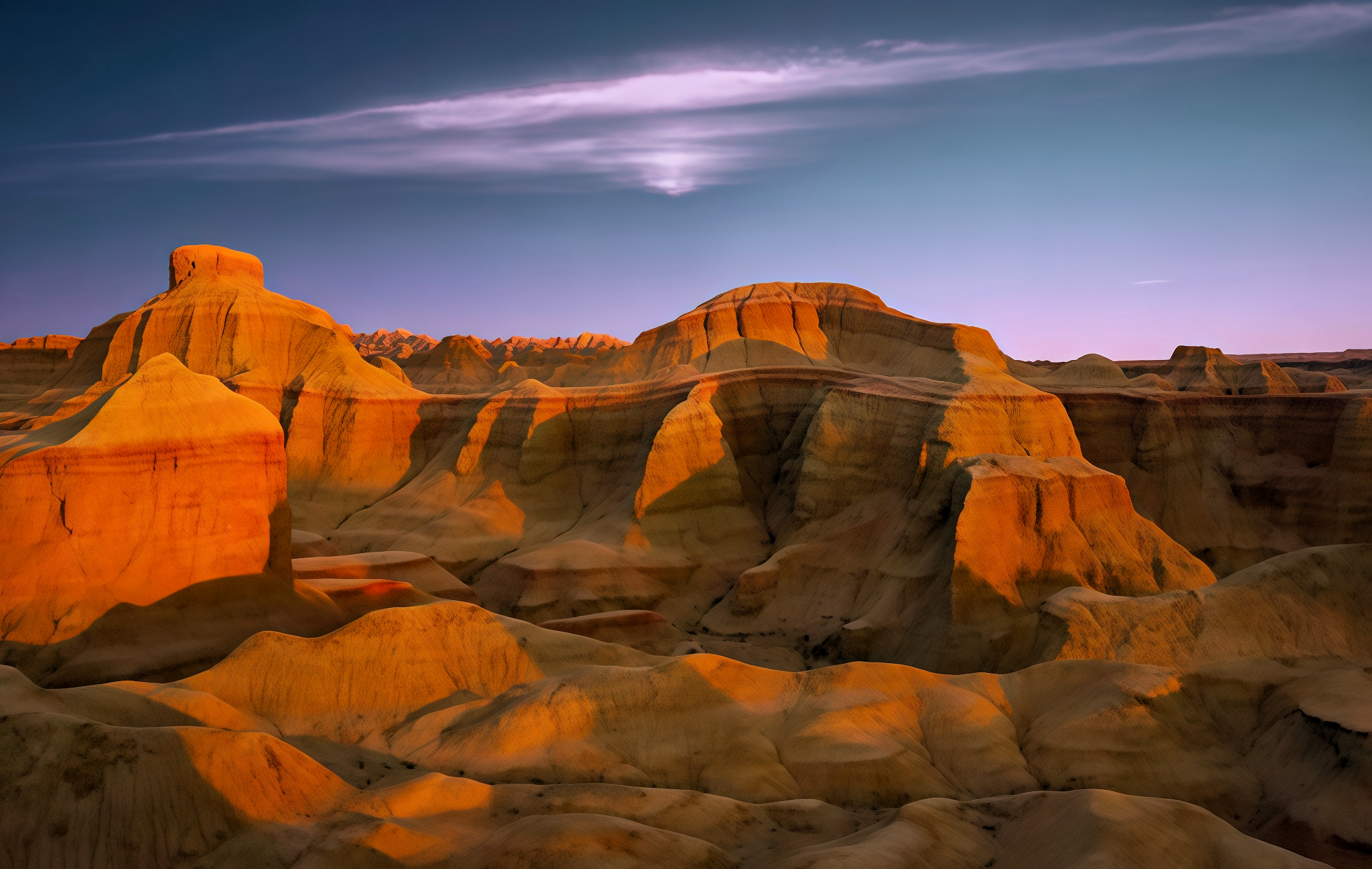
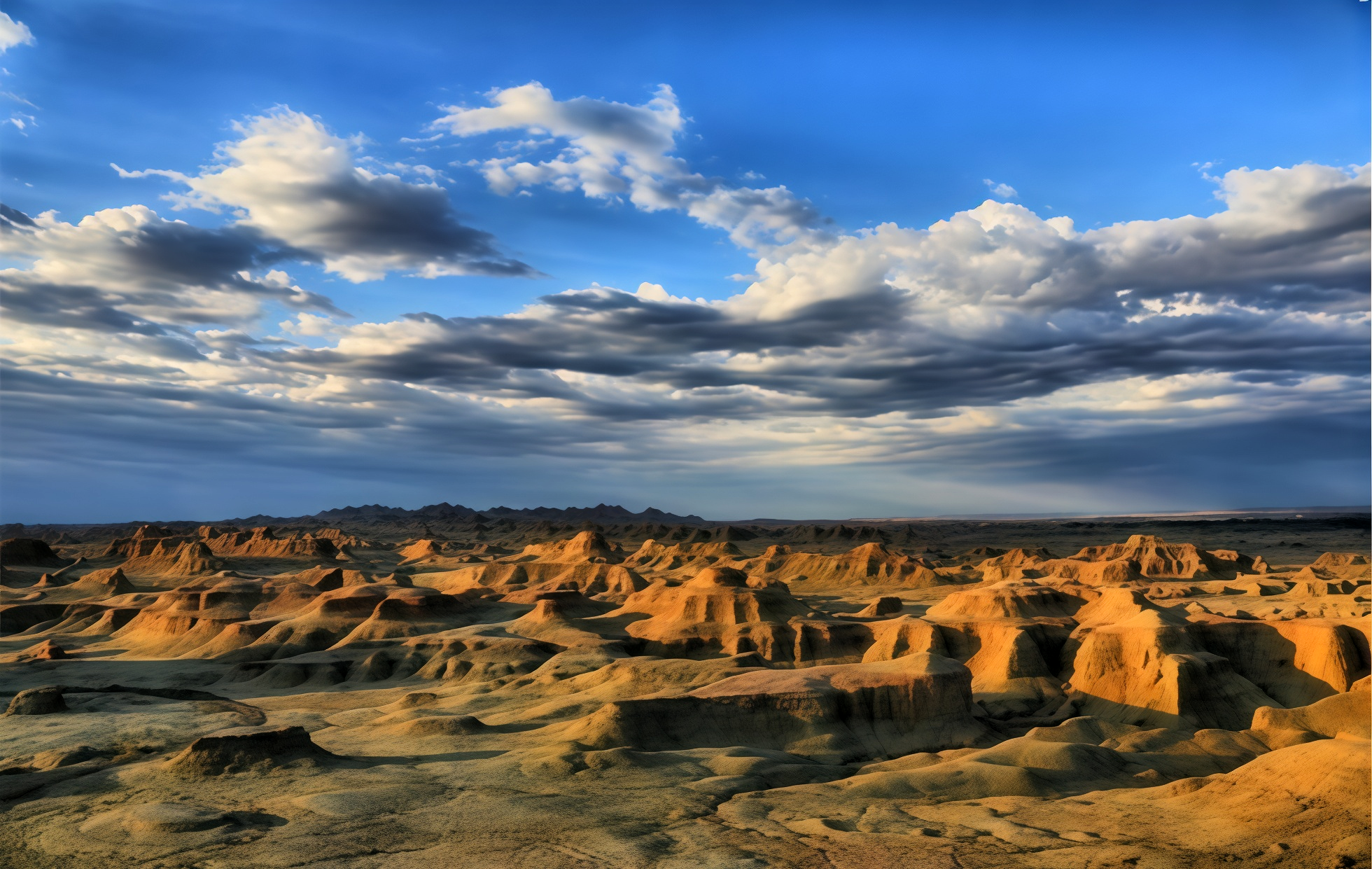
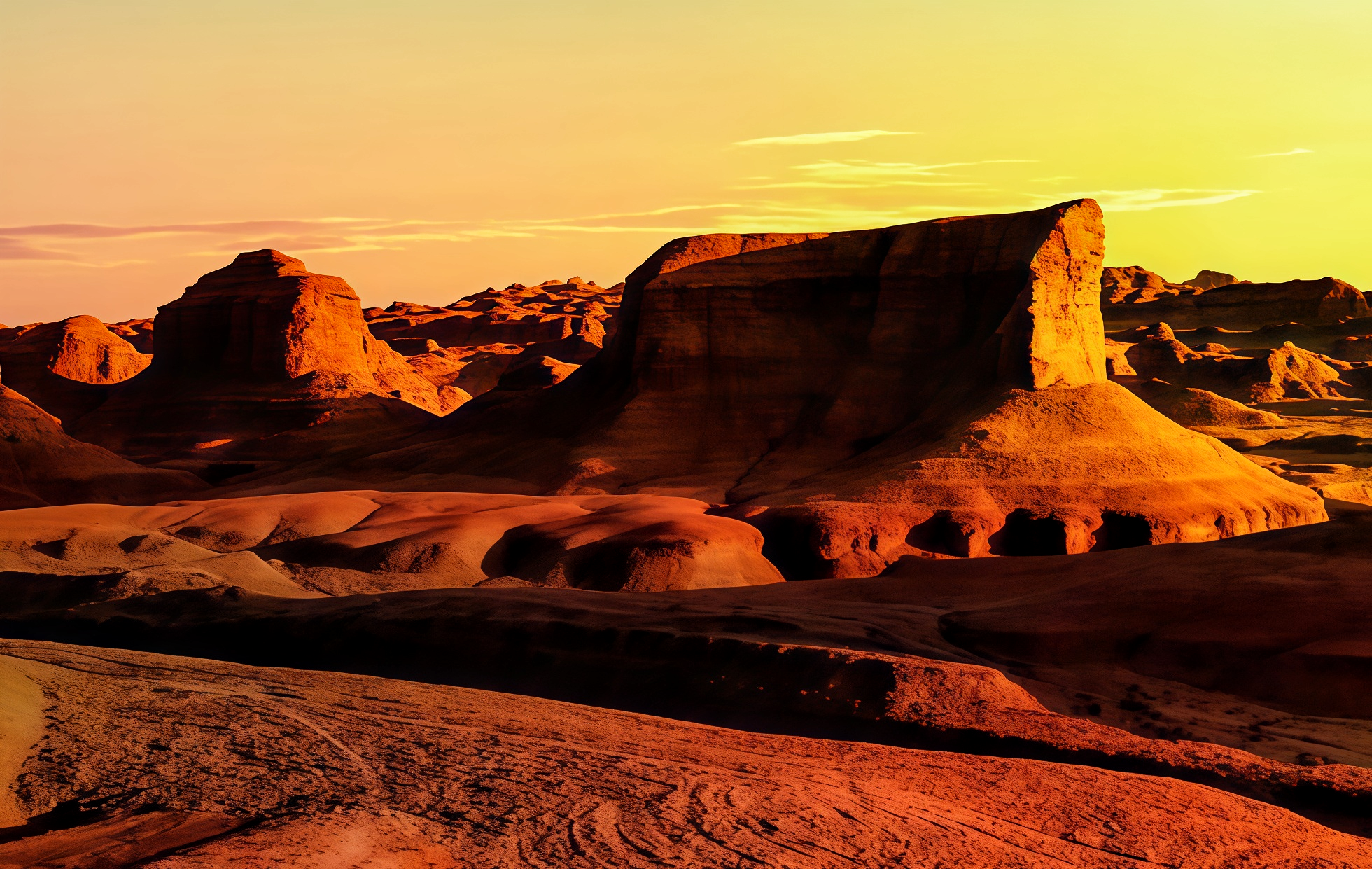
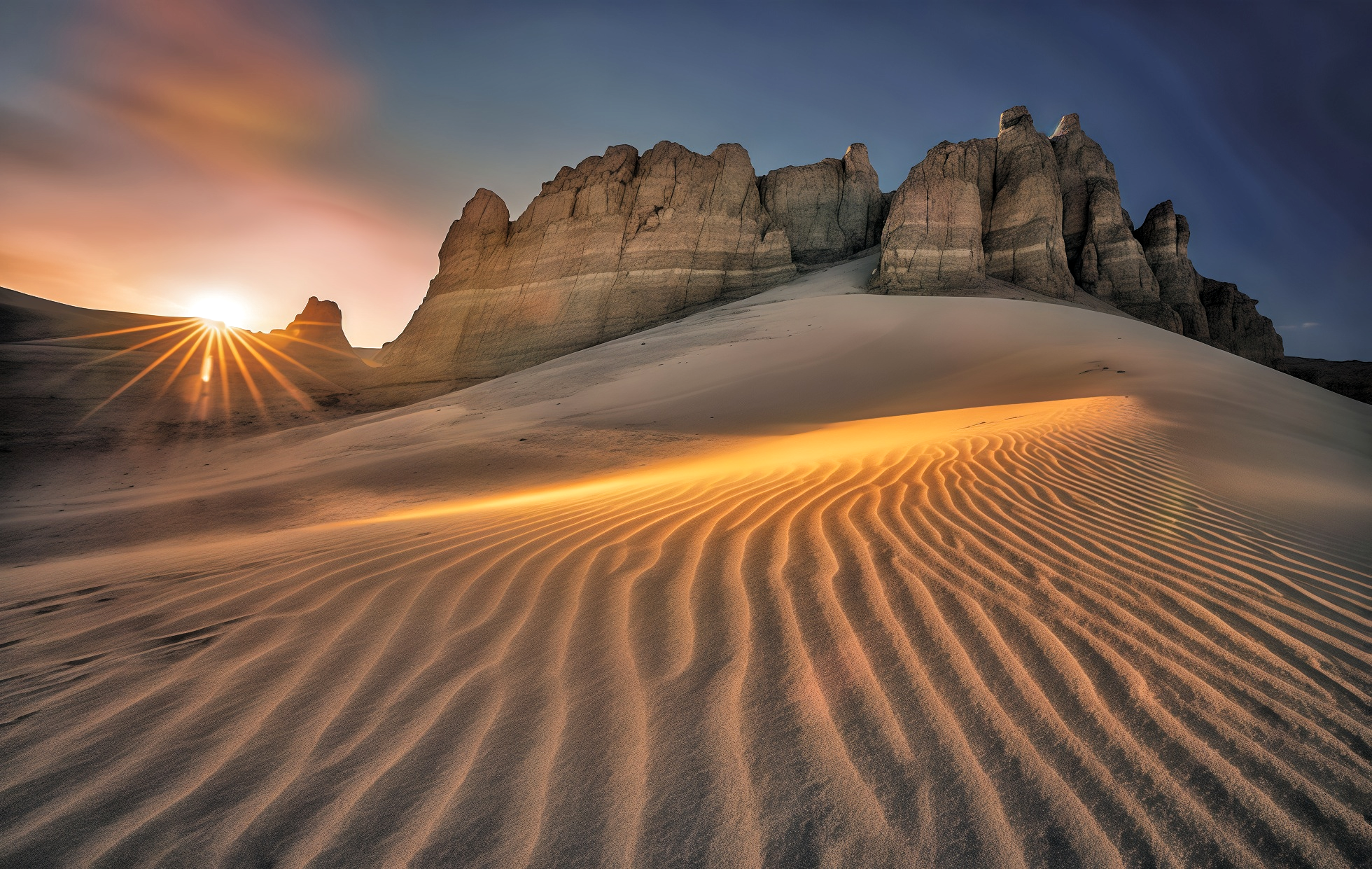
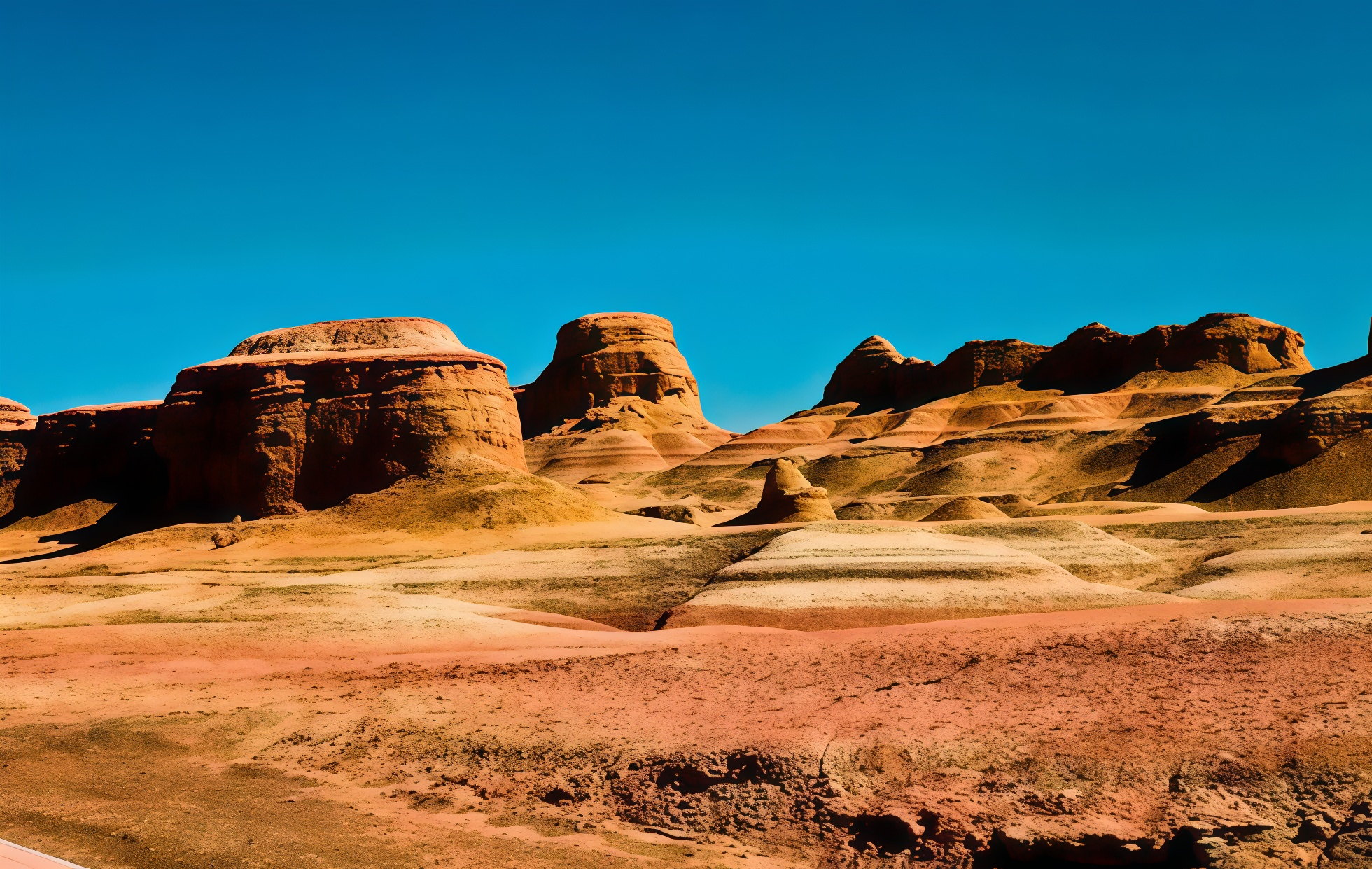
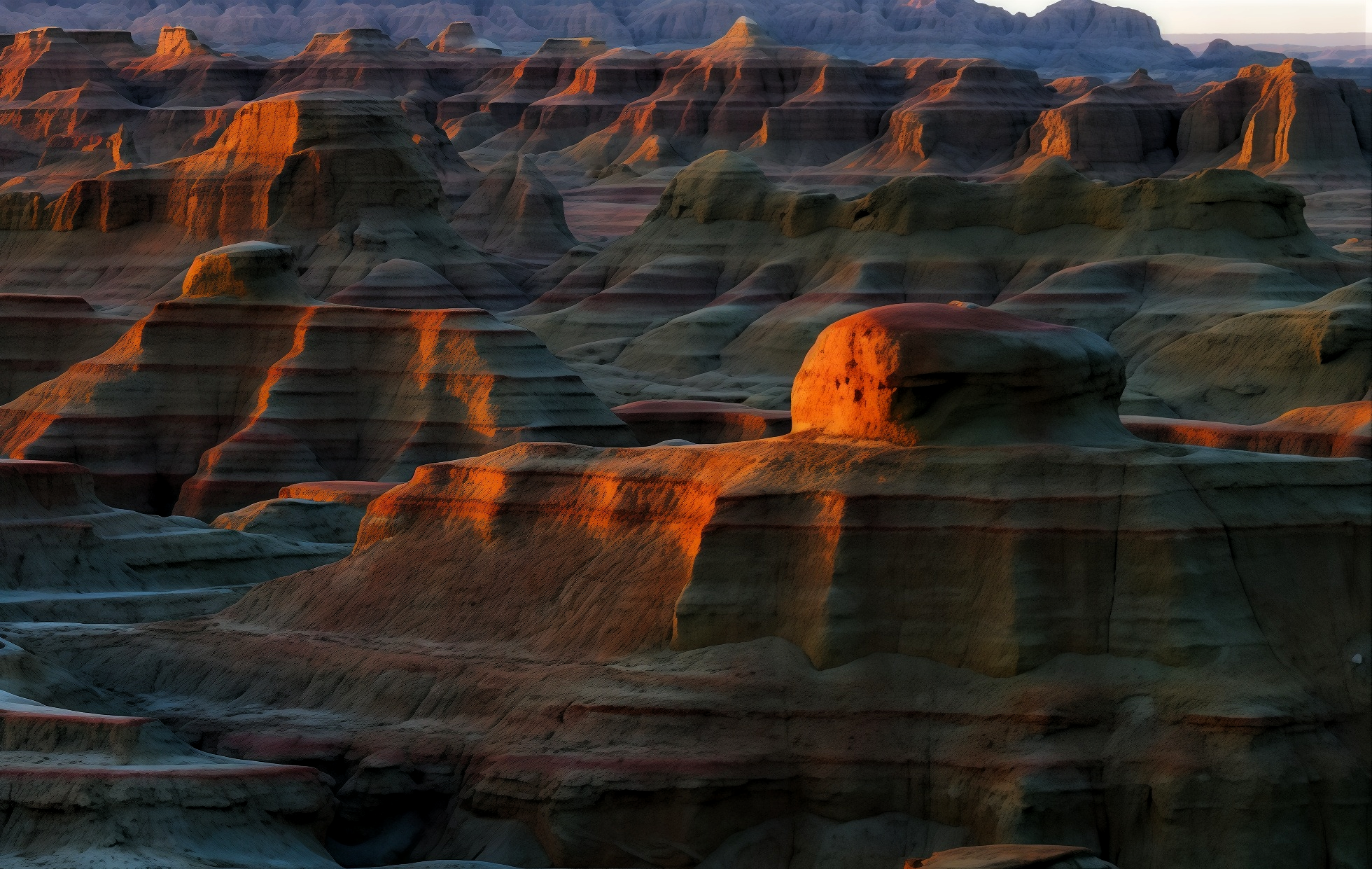
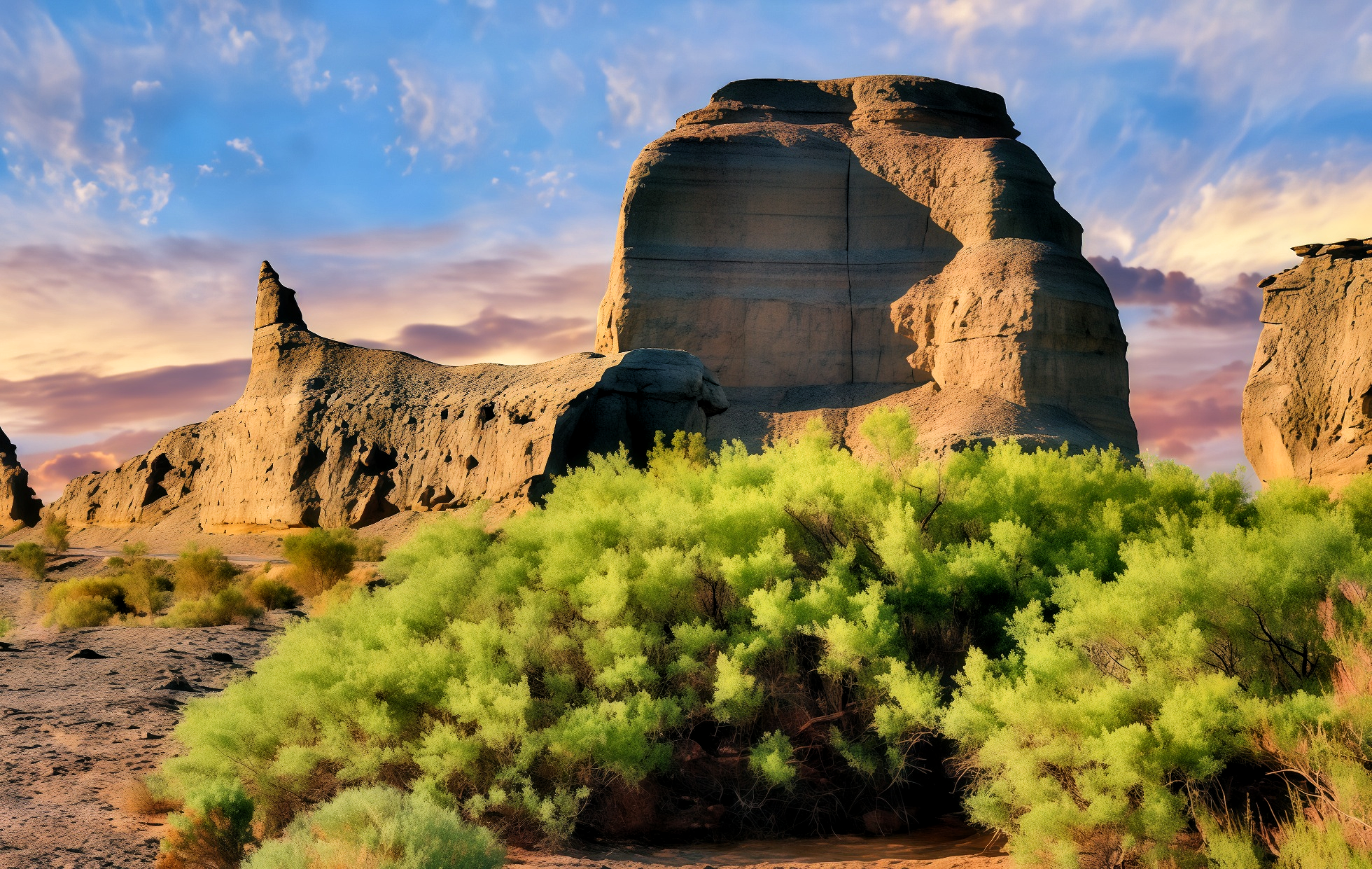
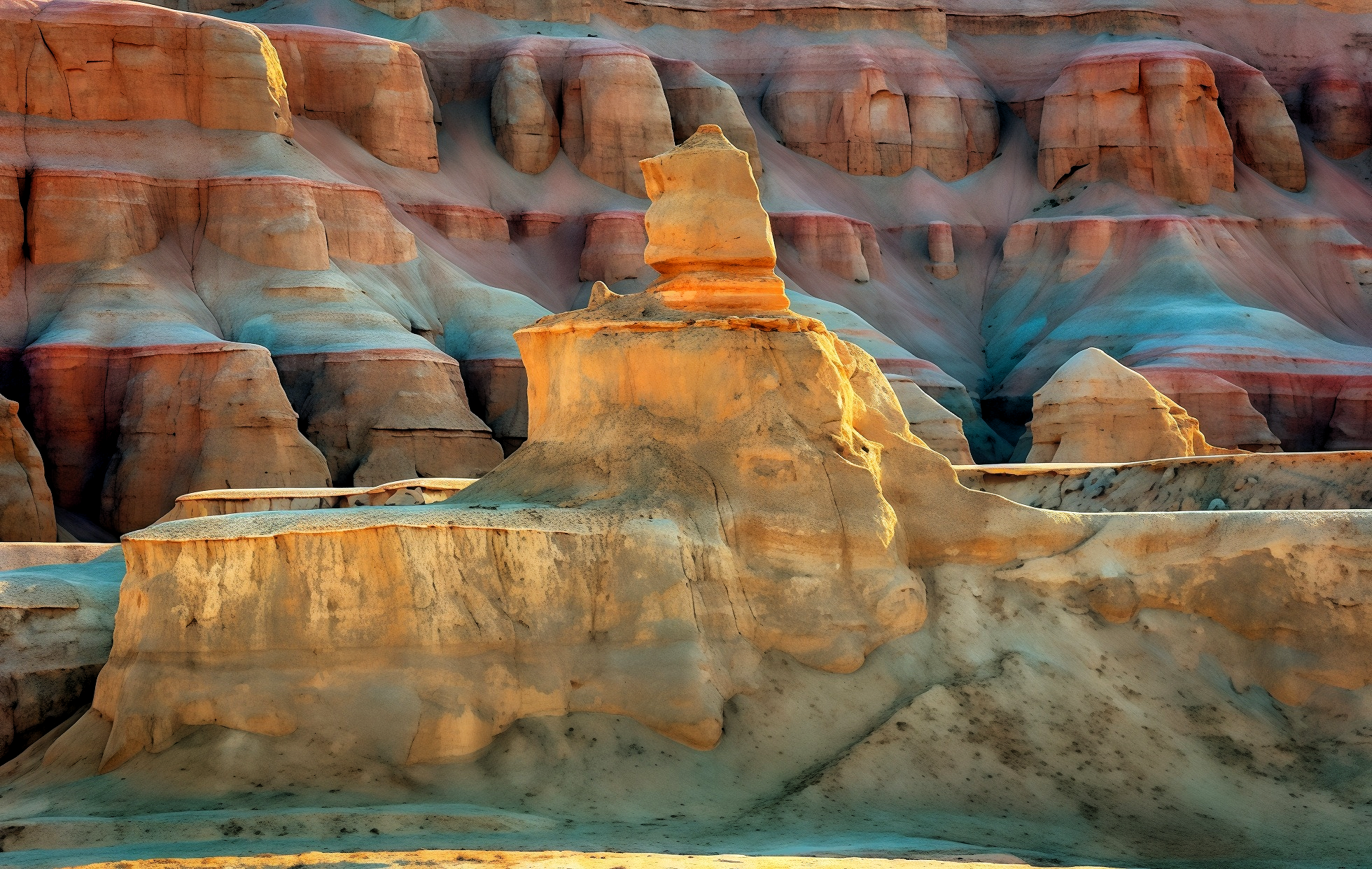
The Yardang landforms found here are masterpieces born from the collaboration of wind and water over hundreds of millions of years. The rock strata consist primarily of grayish-green and reddish-brown hues; their varying degrees of hardness have allowed the wind and sand to showcase their sculpting prowess.
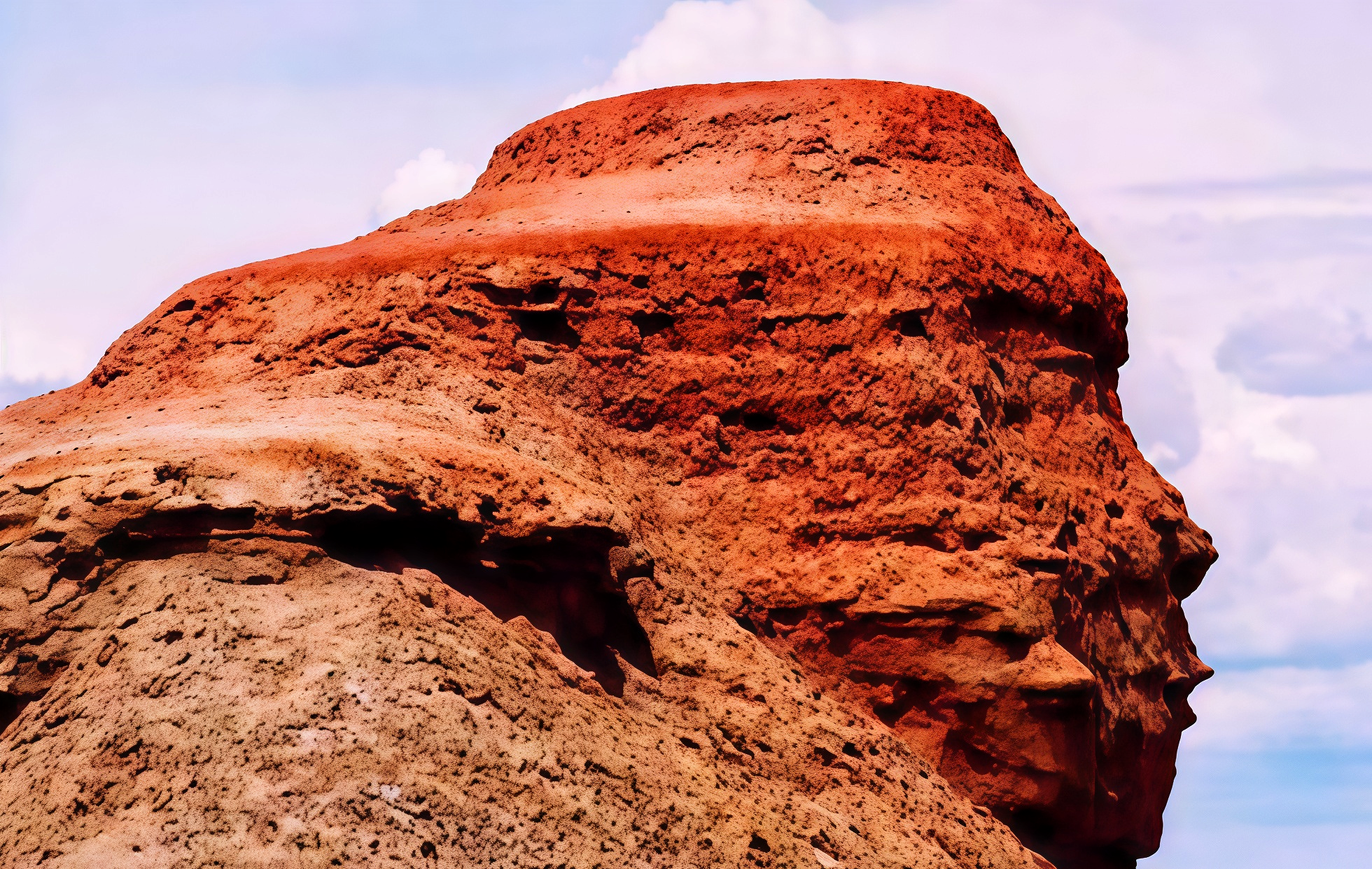
- The Sphinx: One of the park's iconic anthropomorphic formations, this massive Yardang structure has been sculpted by wind erosion into a silhouette strikingly similar to the Egyptian Sphinx. Resting serenely upon the Gobi, it gazes into the distance—a breathtaking testament to the wondrous coincidences of nature.
- The Devil Couple (The Two-Faced Stone): A rare and fascinating phenomenon where a single stone presents two distinct visages. Viewed from one side, it reveals a male profile gazing into the distance, with clearly defined features; shift your perspective, and the other side reveals a completely different female face. Both gaze eastward, appearing as a pair of companions who have stood watch over the land for a thousand years. Known locally as "The Devil Couple," this is one of the park's most celebrated anthropomorphic attractions.
- The Welcoming Peacock: A slender Yardang pillar shaped like a peacock displaying its plumage, standing tall and proud beside the road. It appears to be welcoming visitors from all directions and is a quintessential photo spot for photography enthusiasts.
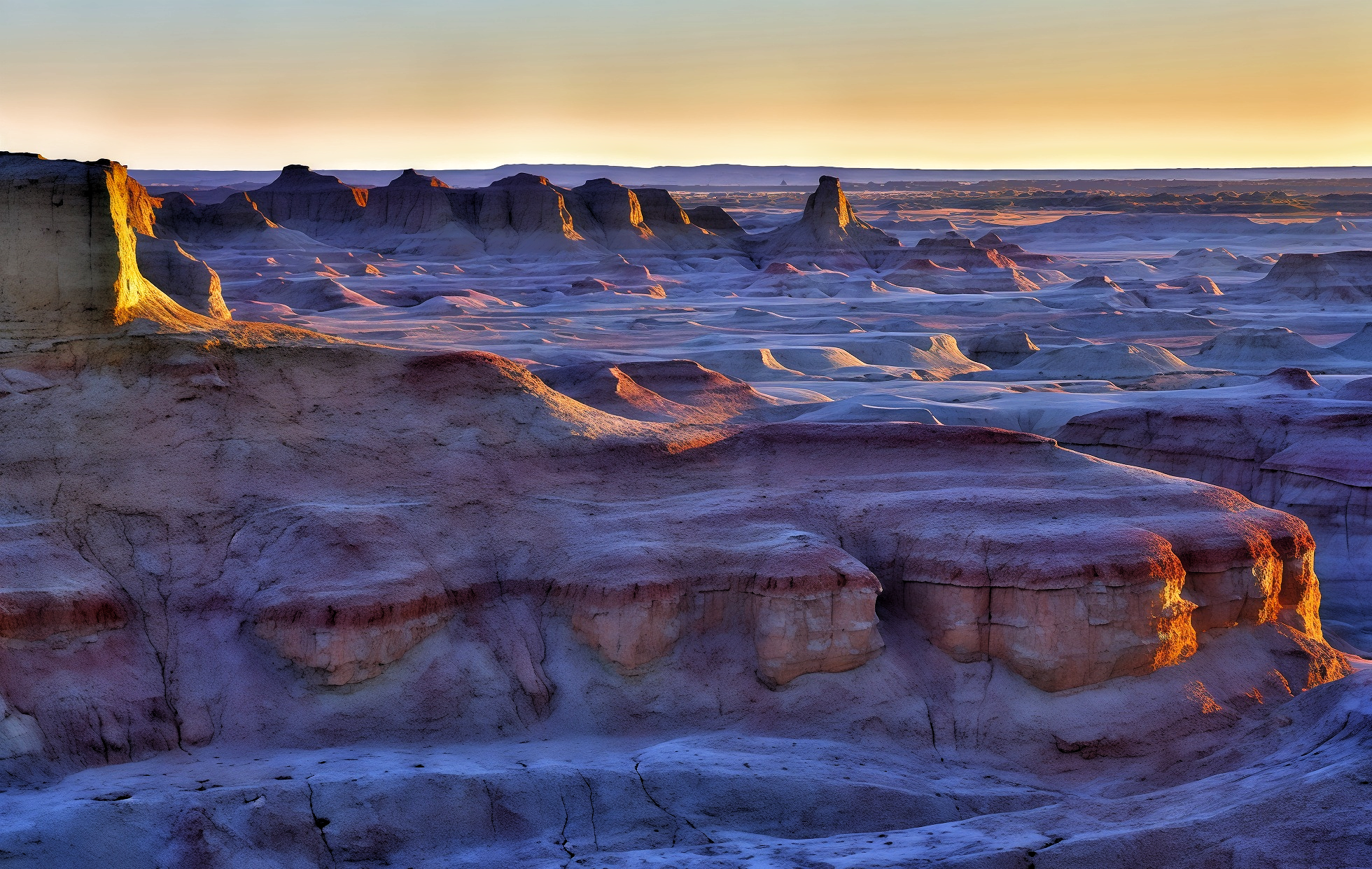
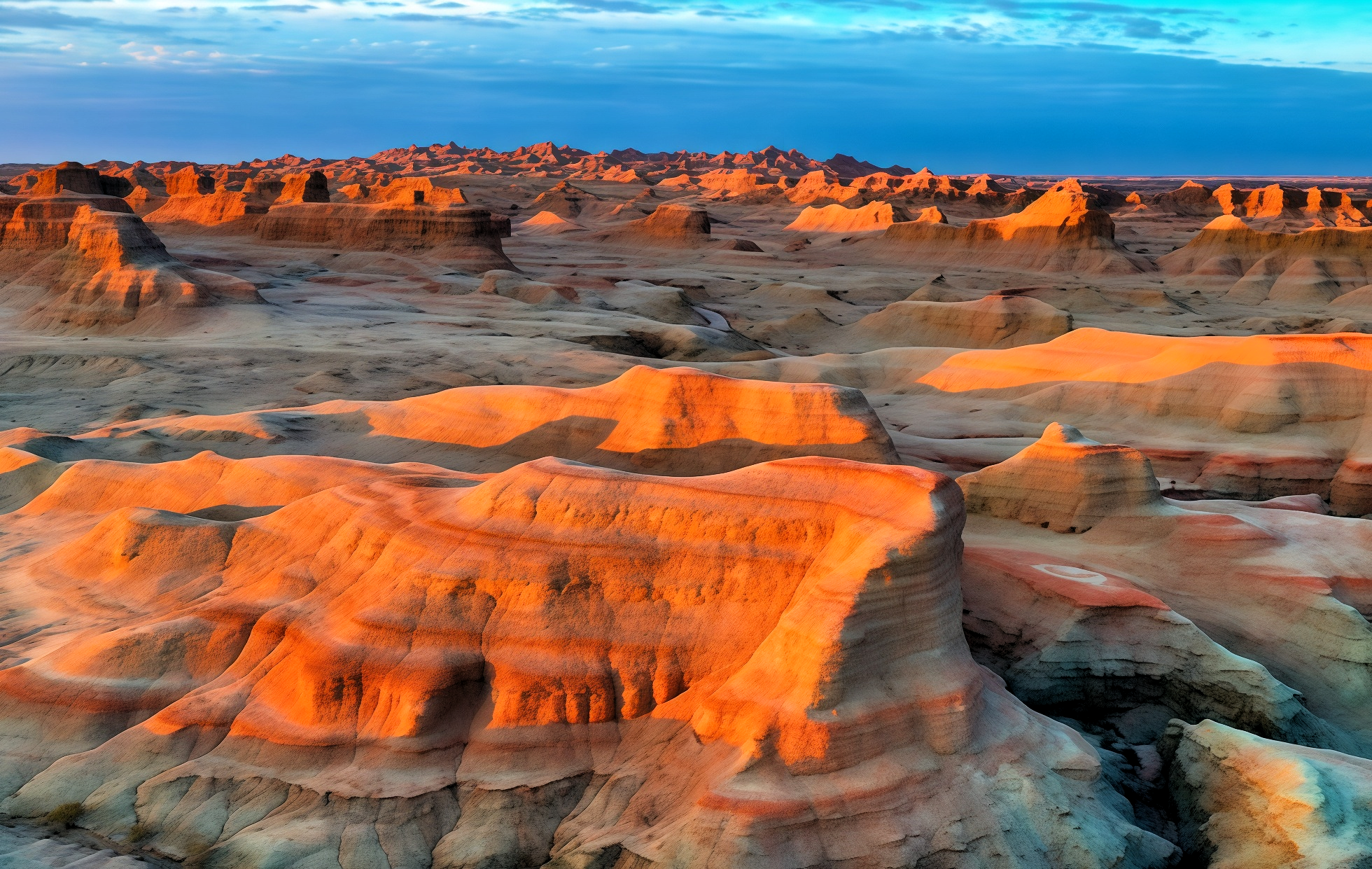
- The Fleet Setting Sail: Viewed from the observation deck, the vast expanse of Yardang formations resembles a massive naval fleet—thousands of vessels launching simultaneously and sailing majestically into the boundless "sea" of the Gobi Desert—creating a scene of overwhelming grandeur and spectacular beauty.
> Photography Tip: Use a wide-angle lens to capture the sweeping grandeur of the Yardang clusters, while a telephoto lens is ideal for capturing close-up details of specific anthropomorphic formations, such as "The Devil Couple." Green Sanctuaries: Miracles of Life in the Desert
Against the vast, desolate backdrop of the Yardang landscape, there is more than just barrenness to be found.
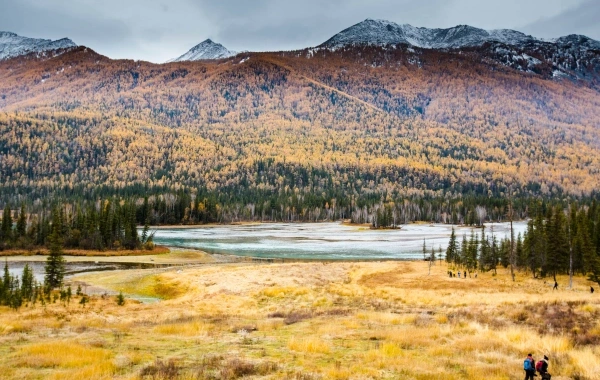
- Lake Erike: Located approximately 20 kilometers from the "Ghost City" (Wuerhe Yardang), this natural freshwater lake is fed by the inflow of the Poplar River and covers a surface area of about 60 square kilometers. The lake teems with wild fish species—such as loach and carp—while reeds sway gently along its banks. It serves as a vital habitat for wildlife including yellow gazelles, wild ducks, and swans, standing as a true oasis of life amidst the Gobi Desert. After capturing the sunset at the Ghost City, visitors can drive to the lakeside to experience the serene tranquility where water and sky merge into one.
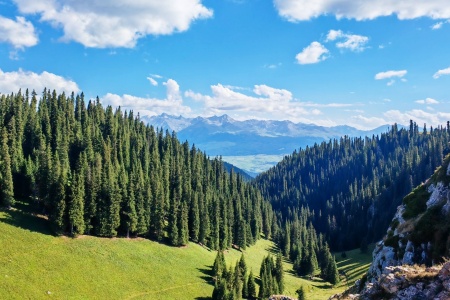
- Poplar Forests: The Wuerhe District is home to one of the largest natural forest zones in Northwest my country, spanning over 100,000 mu (approximately 6,700 hectares). Every year in mid-to-late October, the poplar forests turn a brilliant golden hue; shimmering against the distant Yardang landforms, they create the most spectacular autumnal tableau in the entire desert.
The Dance of Light and Shadow: The Magical Hour of a Golden Sunset
The most breathtaking moments at the Ghost City occur during the one or two hours surrounding sunset. As the sun dips toward the western horizon, golden rays strike the Yardang formations at a steep angle; the rocks—typically a muted gray-yellow—are bathed in a radiant golden-red glow. The resulting contrast between light and shadow is stark and dramatic, rendering every ravine and crevice deep and three-dimensional. In these moments, the entire Ghost City appears to be set ablaze; amidst the shifting interplay of light and shadow, the site's mystical atmosphere reaches its absolute zenith.
Human Ingenuity: Cinematic Legends and Industrial Footprints
The unique topography of this region has captivated not only geologists but has also won the favor of film directors and oil industry pioneers alike.
- Filming Location (Crouching Tiger, Hidden Dragon; Seven Swords): The Ghost City’s desolate yet majestic aura has made it a sought-after location for numerous classic film and television productions. The iconic desert scenes featuring Yu Jiaolong and Luo Xiaohu in the Oscar-winning masterpiece Crouching Tiger, Hidden Dragon were filmed right here. The TV series Seven Swordsmen of Mount Heaven was also filmed on this site; the scenic area features a "Seven Swordsmen" sculpture, allowing visitors to pose for photos with the legendary heroes of Mount Heaven and immerse themselves in the heroic spirit of the Wuxia (martial arts fiction) world.
- Oilfield Experience Zone ("Nodding Donkeys"): Urhe is a major oil-producing region in Xinjiang, and the scenic area hosts the Zhongguijian No. 3 Oilfield Experience Zone. Visitors can observe the operation of oil pumps—colloquially known as "nodding donkeys"—up close, learn about the culture of oil extraction, take photos with these "meritorious machines" of the industrial era, and experience the unique charm of Karamay, the "City of Oil."
- Dinosaur Valley & Light Show: Drawing upon the dinosaur fossils unearthed within the area, the scenic zone has created a "Dinosaur Valley" featuring various dinosaur sculptures—a perfect destination for family outings. In the evening, the park also presents a grand light show in the core Yardang zone, utilizing technologies such as 3D projection mapping to create a deep fusion of the ancient Yardang landscape and modern light-and-shadow artistry.
- Urhe Film & TV City and Ji's Tribe: Located near the scenic area are the Urhe Film & TV City (a 3A-rated attraction)—originally built for the filming of The Qin Empire III—and the Ji's Tribe Film & TV City (also 3A-rated), themed around a primitive tribal aesthetic. Visitors can tour both sites to experience the allure of film and television culture.
> Photography Tips:
> - Best Panoramic Viewpoint: The scenic area's main observation deck offers a vantage point that captures both the "Fleet Setting Sail" Yardang cluster and the distant Gobi horizon.
> - Sunset Photography Spots: The "Sphinx" (best for side-lighting) and the "Devil Couple" (best for silhouettes); lighting conditions are optimal after 6:00 PM.
> - Drones: Drone flight is permitted within the scenic area; however, you must register in advance at the Visitor Center and remain mindful of local wind conditions.