
Yushu Xinzhai Jiana Mani Stones City
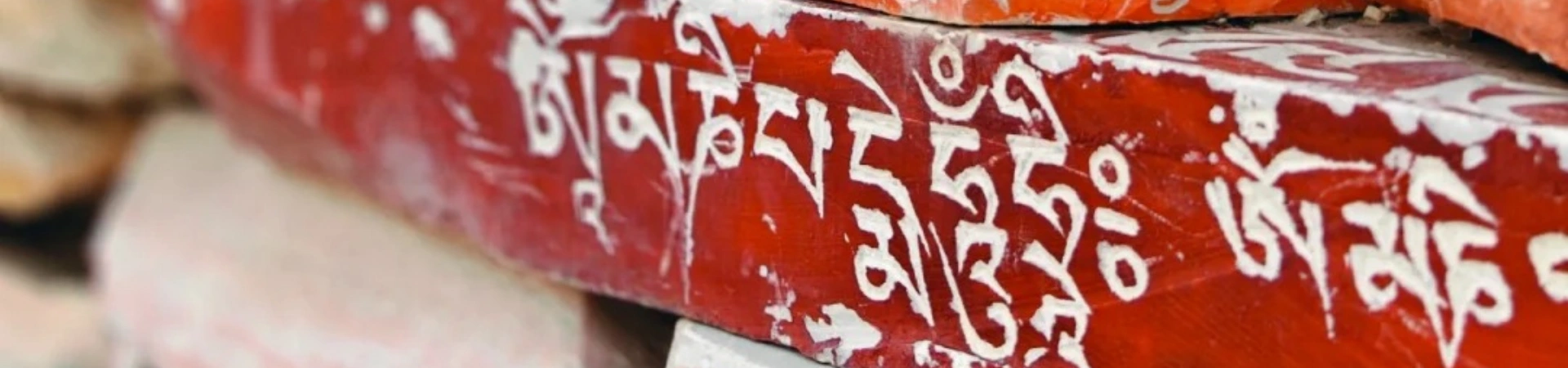
Nestled in Yushu Tibetan Autonomous Prefecture, Qinghai Province, the Xinzhai Jiama Mani Stone City is the world’s largest Tibetan Buddhist scripture stone complex. Initiated in the 18th century by the revered monk Jiama Rinpoche, it spans 2.4 kilometers in circumference and houses over 2.5 billion intricately carved Mani stones—prayer stones inscribed with Buddhist mantras. Recognized as a National Cultural Heritage Site and a Guinness World Record holder, this sacred site serves as a spiritual hub for Tibetan pilgrims and a testament to Tibetan Buddhist artistry.
Historical Overview
Construction began in 1715 under the guidance of Jiama Rinpoche, who envisioned a "City of Prayers" to promote peace and enlightenment. Over three centuries, generations of monks and local artisans expanded the site, adding millions of stones annually. Key milestones include the 1950s preservation efforts post-China’s national liberation and the 2010 Yushu earthquake recovery, which reinforced its cultural significance. In 2018, it was certified by Guinness World Records as the "Largest Mani Stone Pile Globally."
Structural Layout
The complex is organized around three core zones:
- Central Prayer Zone: Centered on the 12-meter-tall Jiama Stupa, surrounded by 360 Mani stone towers and 1,800 prayer wheels.
- Carving Workshop Zone: Features open-air studios where artisans hand-carve stones with Buddhist scriptures and symbols.
- Pilgrimage Circuit: A 2.4km stone-paved path encircling the complex, lined with 108 chortens (stupas) and 3,000 colorful prayer flags.
Supporting structures include the Jiama Monastery, a stone-carving museum, and a pilgrim rest station.
Major Attractions
- Jiama Stupa: A 12-meter golden stupa inscribed with 10 million Mani mantras, believed to bring blessings to visitors.
- Guinness Mani Pile: The core 500-meter-long stone wall holding 2.5 billion carved stones, weighing over 160,000 tons.
- Stone-Carving Workshop: Watch artisans use traditional chisels to engrave stones with Six-Word Mantras (Om Mani Padme Hum).
- Prayer Wheel Corridor: A 200-meter passage lined with 1,000 brass prayer wheels, each containing a million mantras.
- Sacred spring: A natural mineral spring where pilgrims drink holy water believed to cleanse sins.
- Jiama Monastery: A 300-year-old Gelug-sect monastery housing rare thangkas and Buddhist relics.
Suggested Itineraries
-
Spiritual Short Tour (30–45 mins):
Entrance → Jiama Stupa → Guinness Mani Pile → Sacred Spring → Prayer Wheel Corridor → Exit
Highlights: Quick blessing tour for pilgrims and casual visitors. -
Cultural Immersion (2 hours):
Entrance → Stone-Carving Workshop → Jiama Monastery → Guinness Mani Pile → Prayer Wheel Corridor → Sacred Spring → Exit
Highlights: Hands-on carving experience and monastery visit. -
Pilgrimage Deep Dive (Half Day):
Entrance → Full Pilgrimage Circuit (2.4km walk) → Stone-Carving Workshop → Jiama Monastery → Guinness Mani Pile → Sacred Spring → Prayer Wheel Corridor → Exit
Highlights: Complete spiritual circuit with cultural insights.
Ticket Purchase
- Online: Book via the official WeChat mini-program "Yushu Cultural Tourism" (up to 3 days in advance).
- On-Site: Tickets sold at the entrance (8:00–18:00).
- Prices:
- Peak Season (May–October): ¥80 (adults), ¥40 (students/seniors).
- Off-Season (November–April): ¥50 (adults), ¥25 (students/seniors).
- Free: Children under 1.2m, disabled visitors, and monks.
Transportation
- By Car: Self-drive from Yushu City (45km, 1 hour) via G214 National Highway.
- By Bus: Take the Yushu-Xinzhai tourist bus from Yushu Bus Station (2 daily departures, 1.5 hours).
- By Taxi: From Yushu Airport (YUS) or downtown Yushu, negotiate a round-trip fare (¥200–300).
Best Time & Tips
- Optimal Seasons: June–September for mild weather and vibrant prayer flag colors.
- Avoid Crowds: Visit early morning (8:00–10:00) or late afternoon (15:00–17:00).
- Essentials:
- Sunscreen and hat (high altitude, strong UV).
- Respect Buddhist customs: walk clockwise around stupas, avoid touching ritual objects.
- Carry cash for artisan carving fees (¥10–50 per stone).
- Prohibitions: No smoking, alcohol, or loud conversations in sacred zones.
This living spiritual site offers a profound window into Tibetan Buddhism, where every stone tells a story of faith and artistry.


Contact Us
Что говорят наши клиенты?
На основе более 10 000 отзывов путешественников

Daniel Dorothea
Canada
Reviewed on April 29,2025
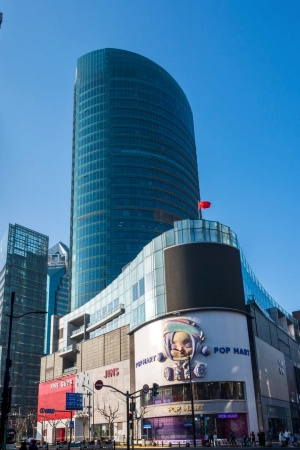
Shopping on Nanjing Road in Shanghai was just amazing! It's truly the "First Commercial Street of China", where tradition and modernity blend perfectly. You can find awesome souvenirs and experience the trendy vibes in cool stores. The neon lights at night are just spectacular, shining bright like Times Square in New York. The food here is incredible too. I had a feast for my taste buds. Shanghai, I'll definitely be back!
Destination(s):
Shanghai
Date of
Experience:
May 08,2024

Elvis Eva
Canada
Reviewed on June 20,2025
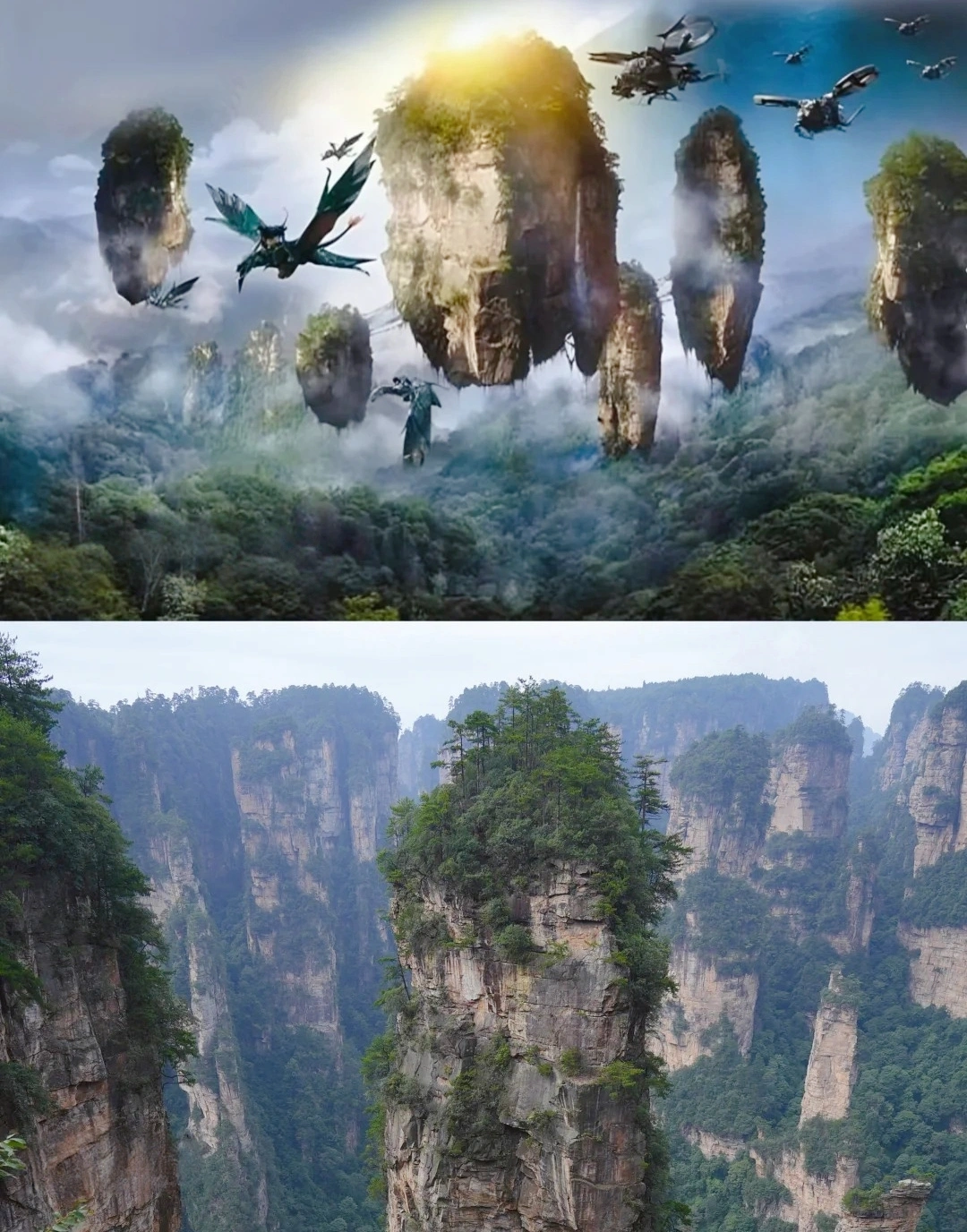
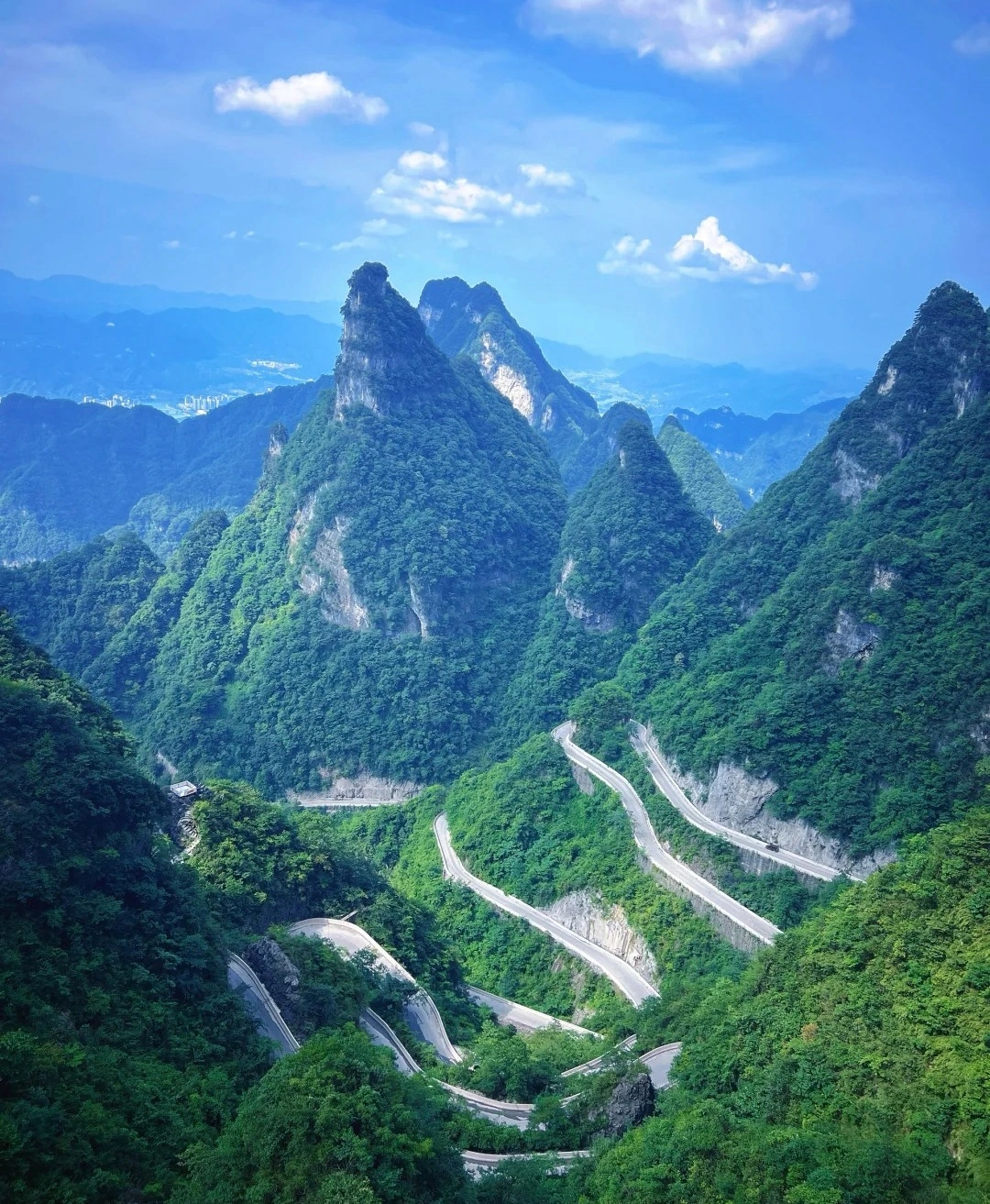
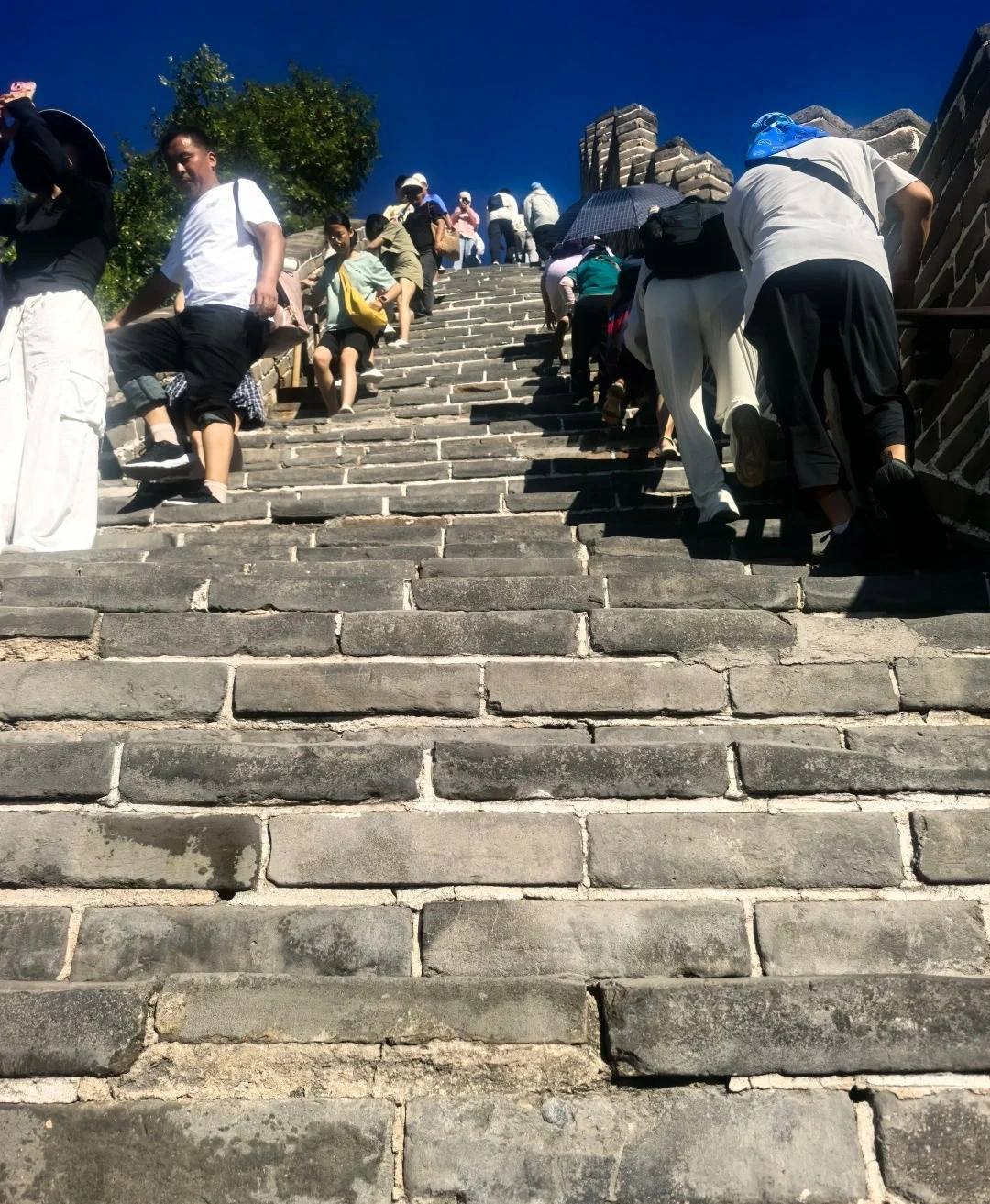
As a solo traveler from Canada, I was nervous about navigating China alone—but this 11-day tour was PERFECT! From hiking the Great Wall at sunrise (Day 3) to gasping at the Terracotta Army (Day 5), every day delivered ‘pinch-me’ moments. The real showstopper? Zhangjiajie’s Avatar Mountains (Day 7)! Our guide made the stone pillars come alive with stories.
Massive thanks for handling all logistics—bullet train tickets, entry passes, car! And the 4-star hotels surprised me.
Destination(s):
Beijing Xian Zhangjiajie Shanghai
Date of
Experience:
June 02,2025

Simon
America
Reviewed on May 29,2025
Our 2-day Zhangjiajie tour was beyond spectacular! As someone who’s visited Beijing and Shanghai for work, this trip revealed China’s wild, magical heart. Day 1 in Zhangjiajie National Forest Park felt like stepping onto Pandora—I’m a huge Avatar fan, and Yuanjiajie’s floating peaks left me breathless. The misty pillars and lush valleys like pure movie magic!
Then came Fenghuang Ancient Town, we eat dinner beside the thundering waterfall. It seems Unreal! The night views of stilt houses glowing over the river were straight from a fairy tale.
For fellow Avatar lovers and adventure seekers: Don’t miss this bucket-list experience! 10/10 would return.
A Well-Traveled Film Buff, May 2025
Destination(s):
Zhangjiajie
Date of
Experience:
May 08,2025