The Charm of Nature: Zen Vitality in Urban Courtyards
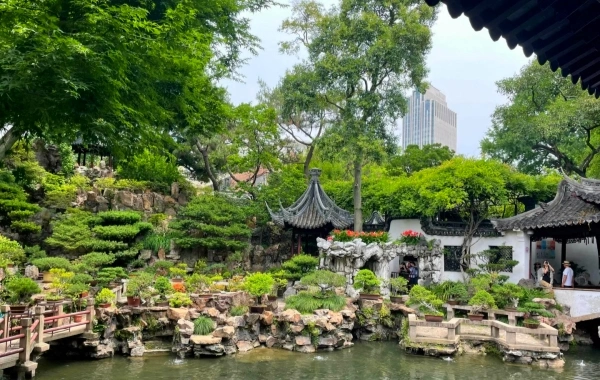
Although the Jade Buddha Temple is located in a bustling city, it has created a tranquil and harmonious natural Zen environment through its meticulous garden design.
The courtyard in front of the palace: the artistic conception of pine, bamboo, plum, and orchid.
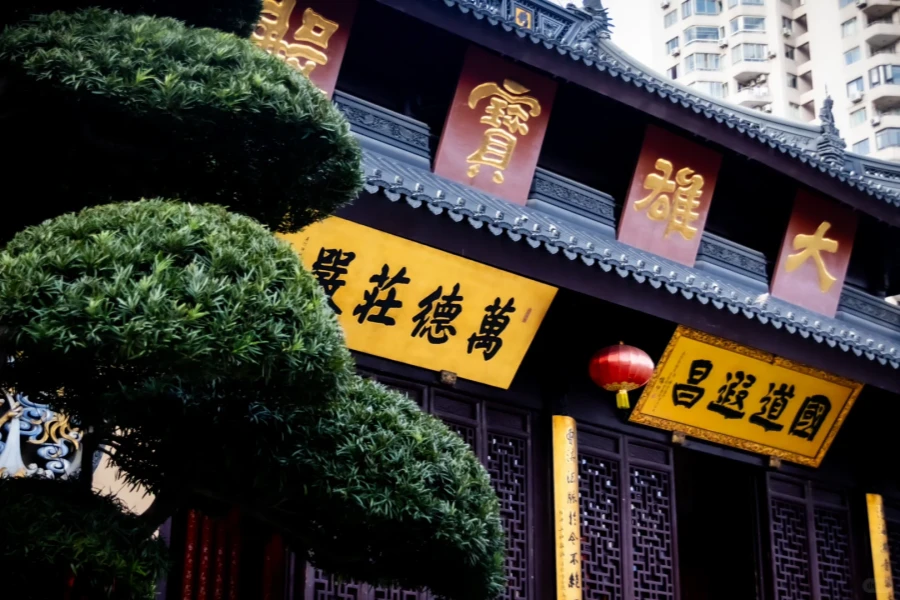
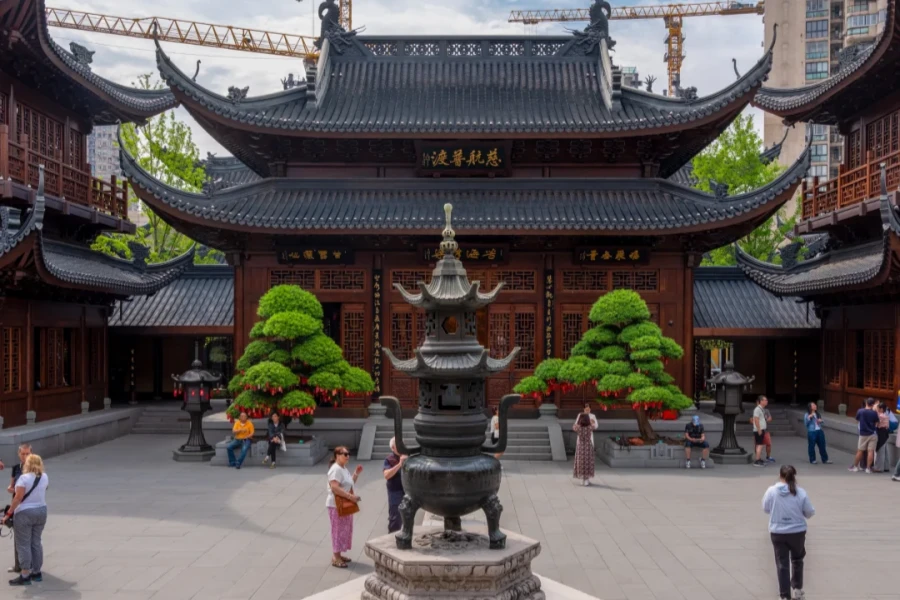
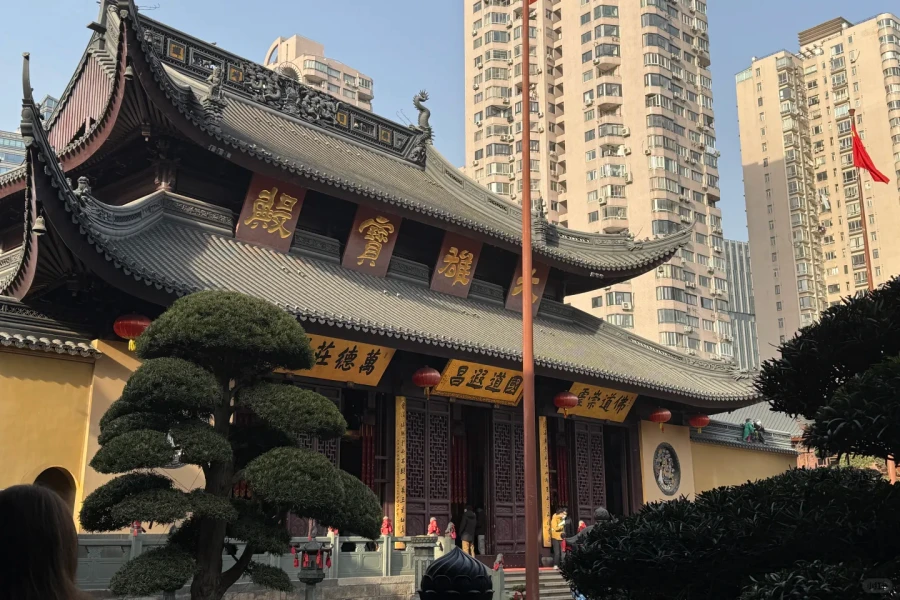
- Upon entering the mountain gate, the temple courtyard, though small, is exquisitely laid out. Ancient bonsai trees and rugged lake stones adorn the space, while plants rich in traditional cultural symbolism, such as pine, bamboo, plum, and orchid, are ubiquitous, offering beauty in every season. In particular, the spacious front courtyard, after renovation, features a lotus sculpture at its center, creating an atmosphere of "lotus blossoms at every step," instantly transporting visitors from the hustle and bustle of the city to the tranquility of the temple.
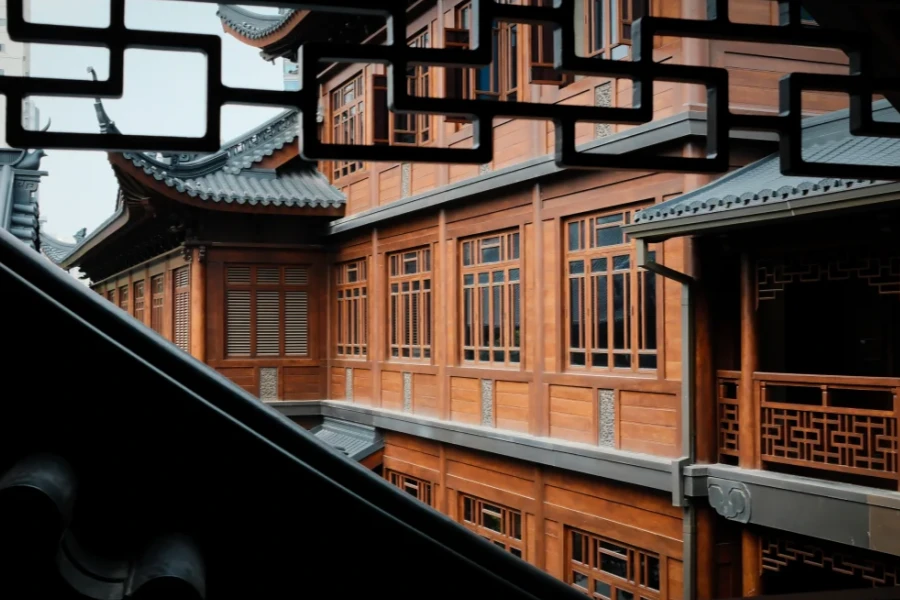
Skywalks and courtyards
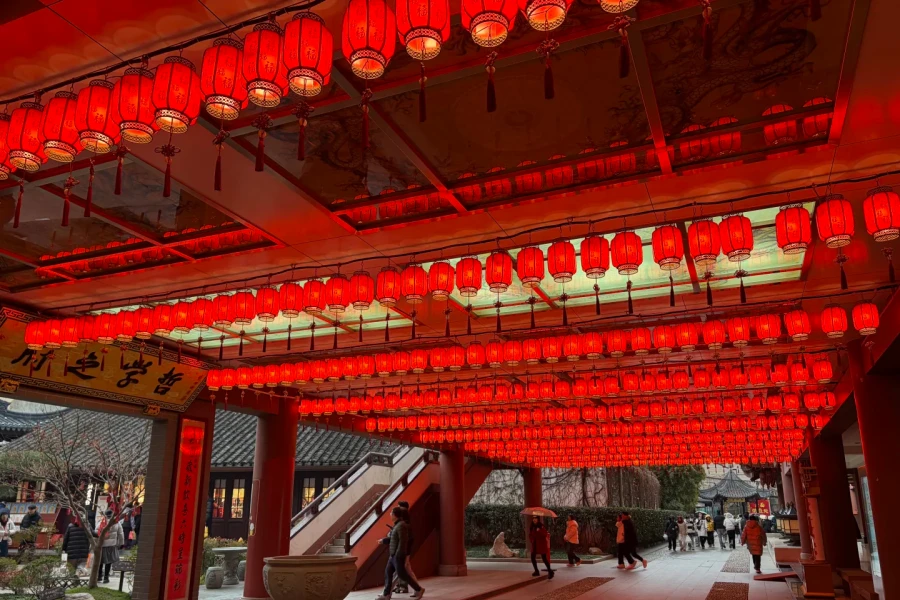
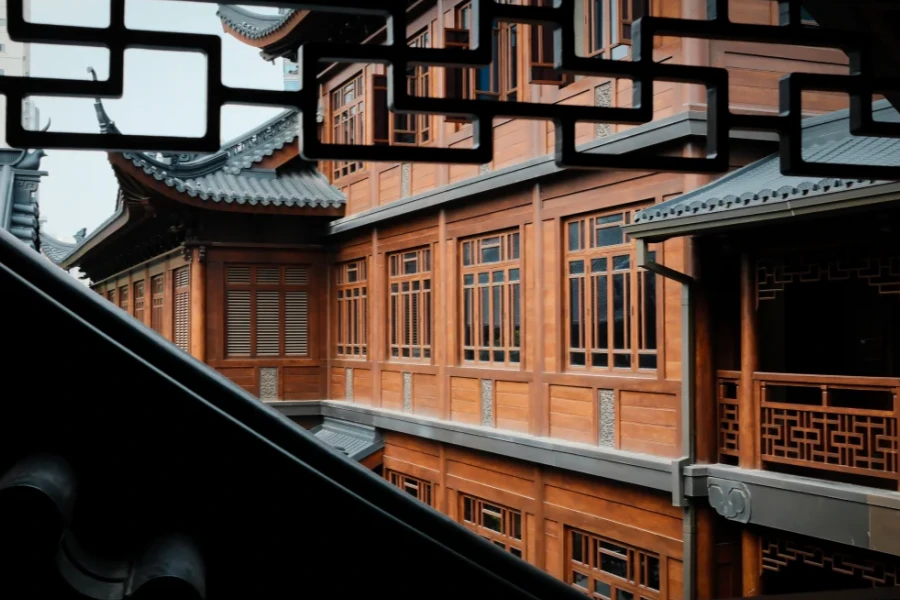
The temple's architecture features a "回" (hui) shaped layout, naturally enclosing multiple courtyards. Sunlight streams down from the sky corridors, illuminating the greenery and moss in the courtyards, creating a tranquil space of light and shadow—a perfect corner to pause, rest, and reflect on one's inner self.
Humanistic Ingenuity: Priceless Jade Buddha and Architectural Wonders
Every Buddha statue and every hall here embodies devout faith and exquisite craftsmanship.
The Twin Jade Buddhas of the Temple: Treasures of Oriental Art
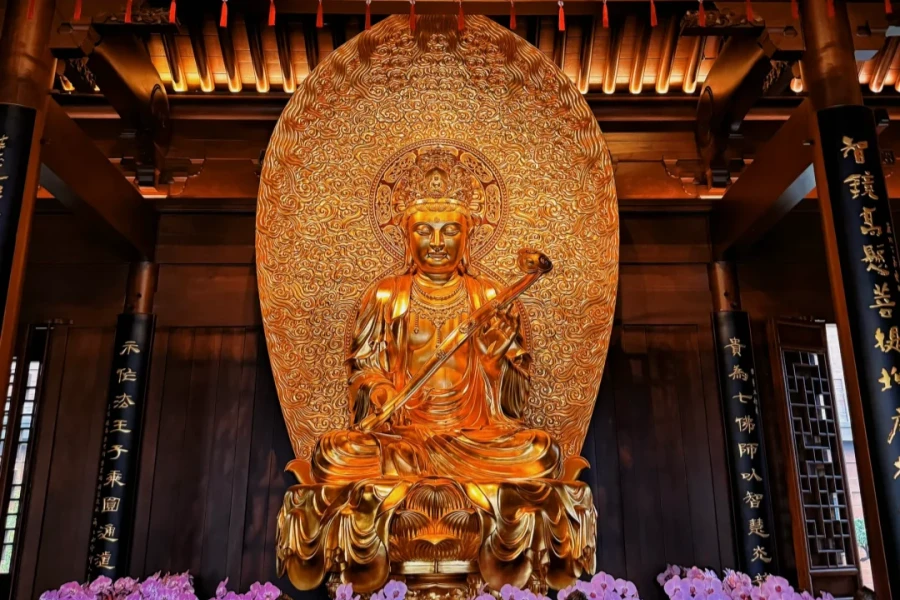
- Seated statue of Shakyamuni Buddha at the Enlightenment: Enshrined in the Jade Buddha Hall, it stands 1.95 meters tall and is carved from a single piece of jade. The jade is exquisite, crystal clear, and the Buddha's face is full, with slightly open eyes, conveying a solemn and compassionate expression. The flowing lines of the robes make it a masterpiece of Buddhist sculpture art. The Buddha's head and body are also inlaid with gemstones, further enhancing its magnificence.
- Reclining Buddha Statue of Shakyamuni in Nirvana: Enshrined in the Reclining Buddha Hall, it is 0.96 meters long. The Buddha statue lies on its side, its right hand supporting its head, in a serene posture, vividly depicting the tranquil state of mind of the Buddha at the time of Nirvana. These two jade Buddhas are the soul of the temple and are also national cultural relics.
The engineering marvel of moving and lifting the main hall
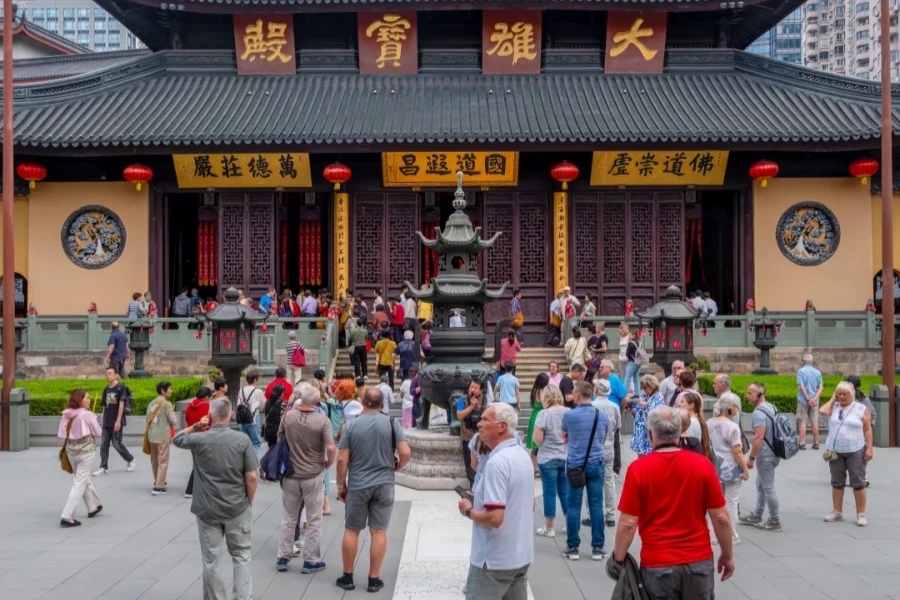
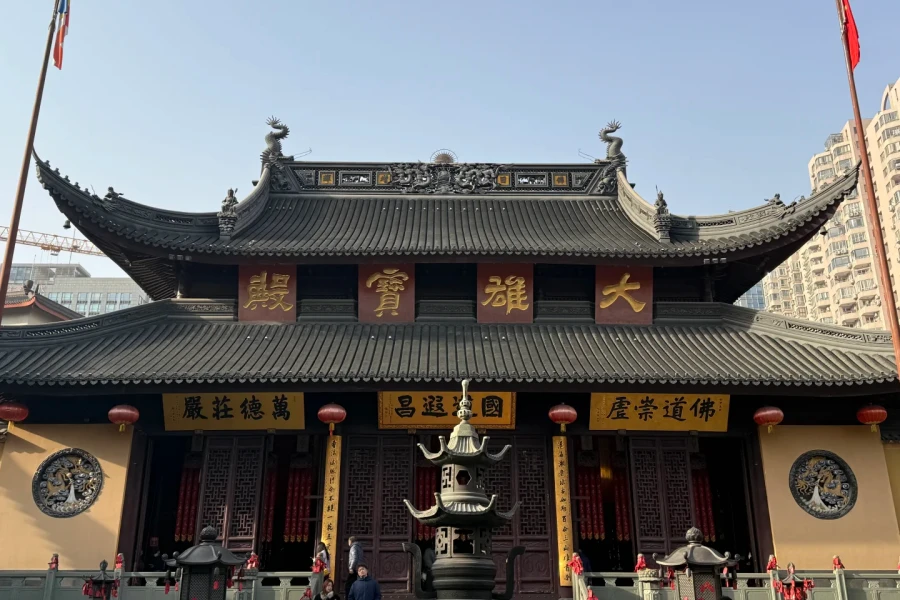
The temple's greatest architectural marvel is not its ancient remains, but rather a masterpiece of modern technology. In 2015, the 2,000-ton Qing Dynasty wooden Mahavira Hall was moved 30.66 meters northward and simultaneously lifted 1.05 meters upward in 14 days using 59 jacks. This classic case of "ancient building relocation" not only preserved the cultural relic intact but also expanded the temple's valuable space, serving as a model of combining modern engineering with cultural heritage preservation.
A Song Dynasty-style architectural complex: a model of Buddhist temples in Jiangnan.
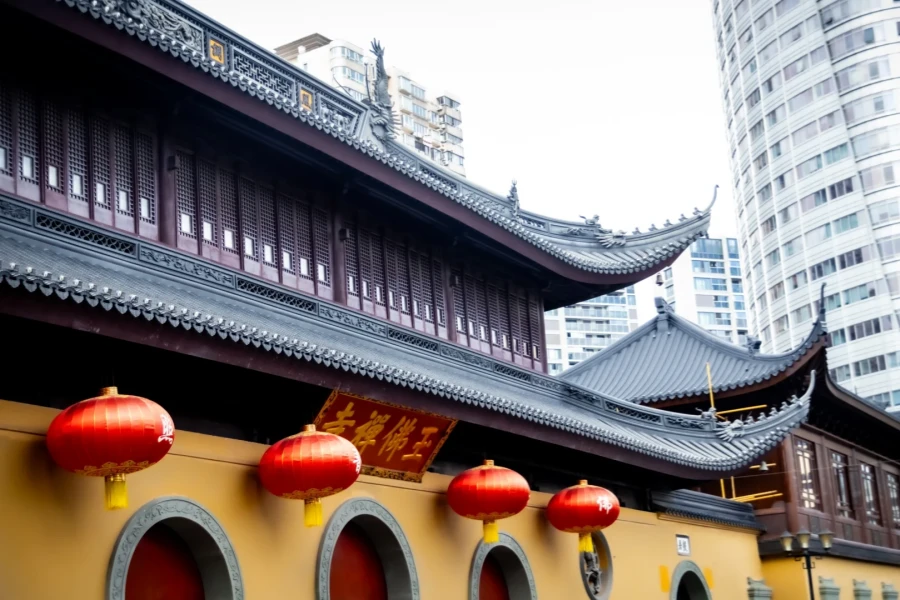
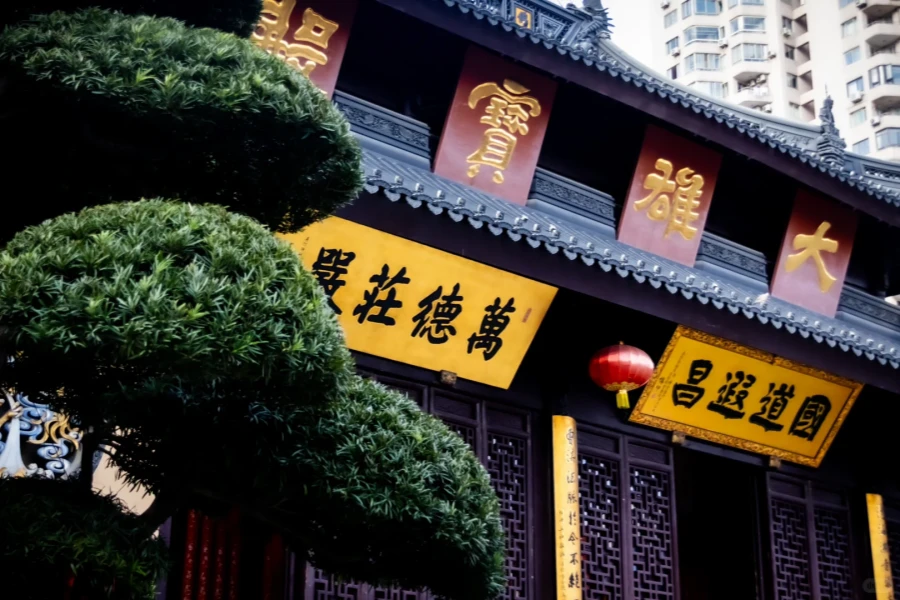
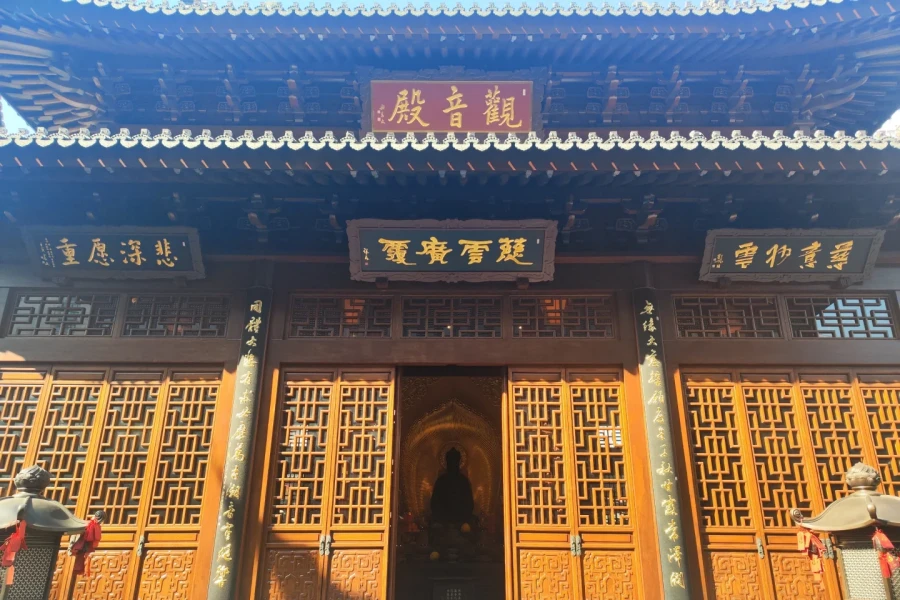
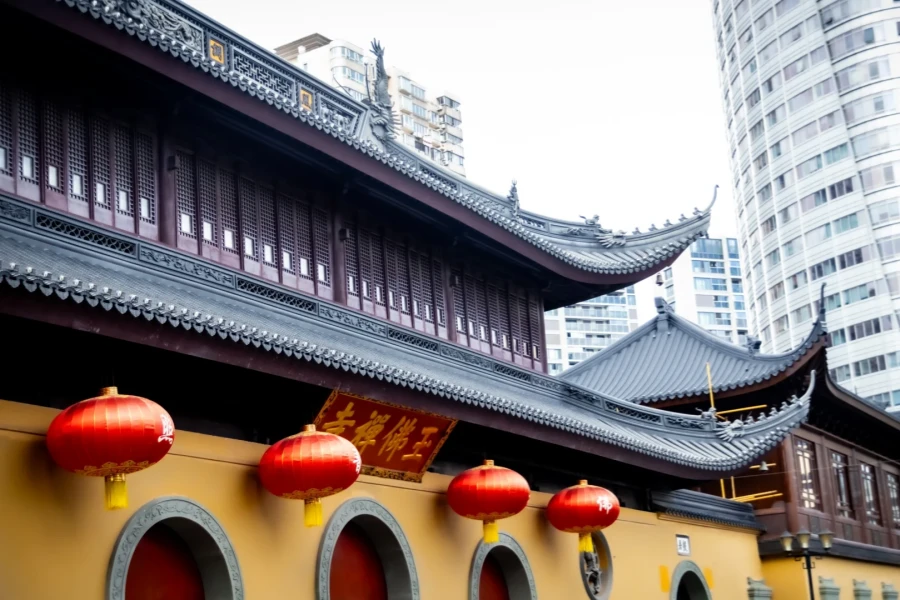
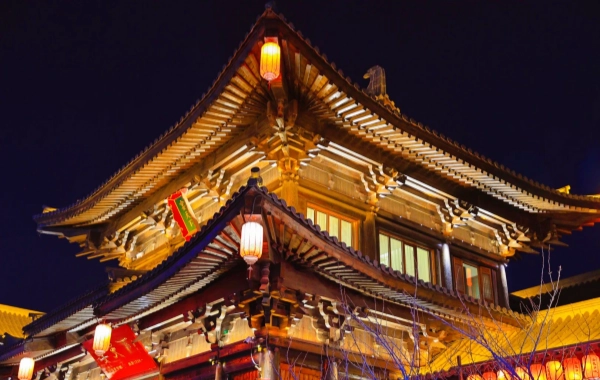
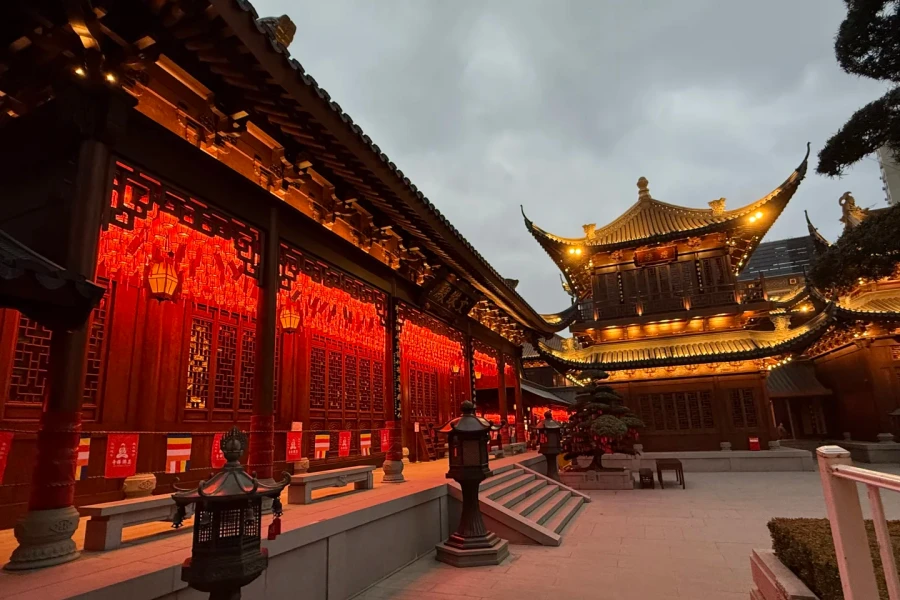
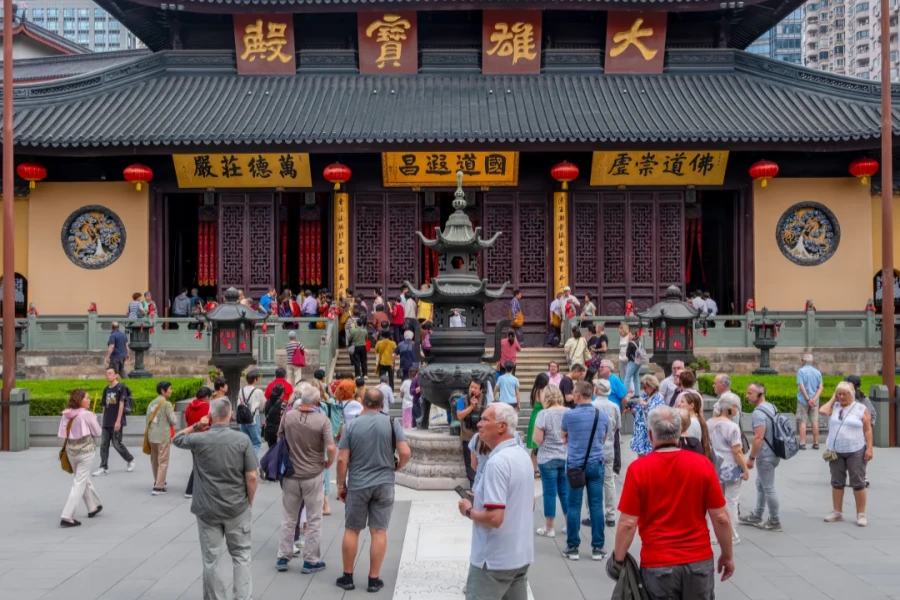
The main halls of the temple (Hall of Heavenly Kings, Hall of the Great Sage, and Hall of Guanyin) are all in the style of Song Dynasty palace architecture, with double-eaved hip roofs, flying eaves and brackets, exuding a majestic aura. Especially after the renovation, the architectural paintings adopt the style of Tang Dynasty, with calm and elegant colors that complement the warm luster of the jade Buddha. The overall architectural complex is solemn and dignified, with a strong visual impact.
Photography Tips:
Important Notice for Photography of the Jade Buddha: Photography of the Buddha statues is strictly prohibited inside the Jade Buddha Hall and the Reclining Buddha Hall. Please be sure to abide by the temple's regulations to show respect. Photography of the exterior of the buildings is permitted.
Architectural Panoramic View: The spacious front square after renovation offers panoramic views of the majestic Mahavira Hall, the Hall of Heavenly Kings, and other buildings, which are especially spectacular on a clear day.
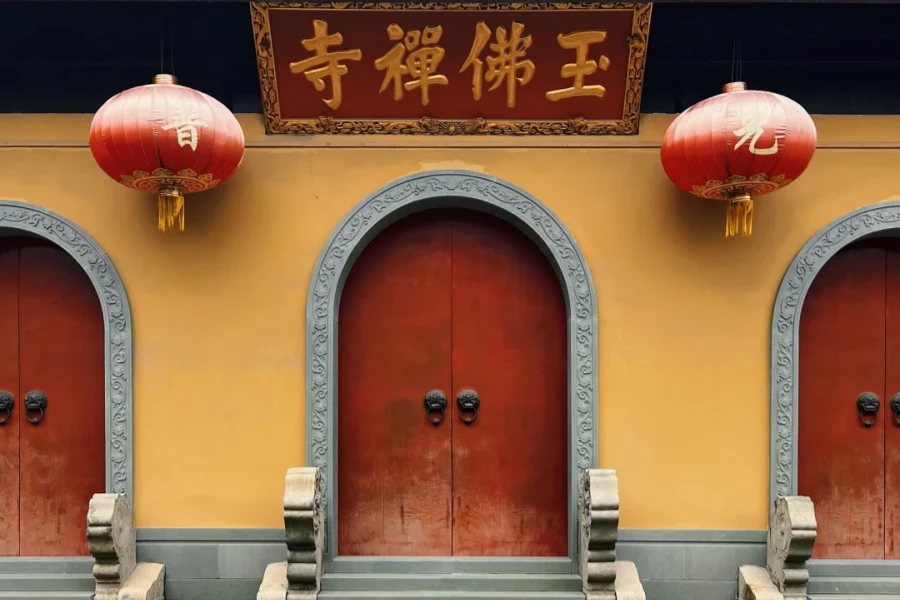
Courtyard details: Pay attention to the architectural details of the palace, such as the brackets, paintings, and carvings, as well as the bonsai and stone carvings in the courtyard. These can all be excellent subjects for photography.
Humanistic Documentary: Scenes that reflect the tranquil atmosphere of a temple, such as believers devoutly worshipping Buddha and monks walking slowly, can be filmed (with permission and without disturbing others).