Qilian Mountains: An Ecological Miracle—From a "Scarred Landscape" to a "Celestial Gallery"

Qilian Mountains: An Ecological Miracle—From a

Overview: A Three-Dimensional Ecological Museum Spanning Qinghai and Gansu

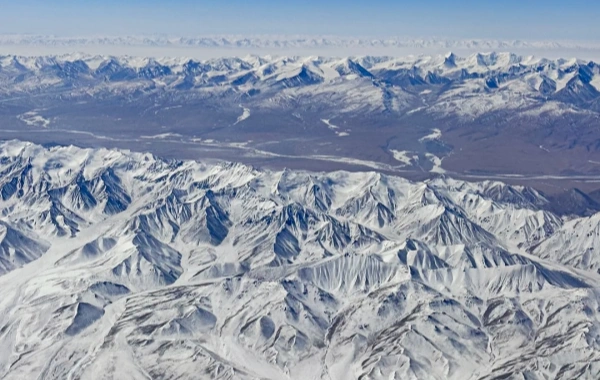
The Qilian Mountains constitute a critically important ecological functional zone for glaciers and water conservation in western China, serving as the "lifeline" that sustains the ecological security of the Hexi Corridor. It is a candidate site for a national park, seamlessly integrating snow-capped peaks, glaciers, grasslands, forests, and Danxia landforms.

Key Highlights at a Glance

Identity Tags: The Real-Life "Switzerland of the East" / The Spectacle of "June Snow in Qilian" / The Ecological Barrier of the Silk Road

Core Experiences: Horseback Riding across the Qilian Grasslands / Exploring the Mysteries of the Bayi Glacier

Suggested Itinerary: 1–2 days for touring core scenic areas; 3–5 days for an in-depth journey connecting surrounding hidden gems

Location: Qilian County, Haibei Tibetan Autonomous Prefecture, Qinghai Province

  • Qilian Mountains: An Ecological Miracle—From a
  • Qilian Mountains: An Ecological Miracle—From a
  • Qilian Mountains: An Ecological Miracle—From a
  • Qilian Mountains: An Ecological Miracle—From a

Origins: The Cultural Legacy of the Millennium-Old Silk Road and a Contemporary Ecological Awakening

Furong Ancient Town Furong Ancient Town Furong Ancient Town

The Name of the "Celestial Realm"—From "Heavenly Mountains" to the Qilian Mountains

The name "Qilian" derives from the Xiongnu language; the Xiongnu people referred to the sky as "Qilian," meaning the Qilian Mountains are, in essence, the "Heavenly Mountains." During the reign of Emperor Wu of Han, the general Huo Qubing achieved a decisive victory over the Xiongnu, thereby incorporating this majestic mountain range—which stretches along the southern flank of the Hexi Corridor—into the territory of the Han Empire. From that moment on, it served as a natural barrier for the Silk Road and stood as a silent witness to the convergence of Eastern and Western civilizations. The Tang Dynasty poet Li Bai once penned a famous verse here: "Though dwelling by Mount Yanzi, one feels not the biting cold of the snow." Furthermore, the natural spectacle of "June Snow in Qilian" has remained a cherished subject of poetic inspiration for scholars and literati throughout the centuries.

The Path to Rebirth—From Desolation to National Park

The modern story of the Qilian Mountains is a profound epic of ecological restoration and green transformation:

The Scars of Industry (Circa 2000): As a vital hub for mineral resources in Northwest China, the region suffered from long-term mining and hydropower development, resulting in exposed mountain slopes, degraded grasslands, and turbid rivers.

Awakening and Remediation (Post-2010): The state launched a comprehensive initiative for the ecological protection and integrated management of the Qilian Mountains. This involved revoking mining rights, shutting down operations, and regulating small-scale hydropower projects, elevating ecological conservation to an unprecedented level of priority.

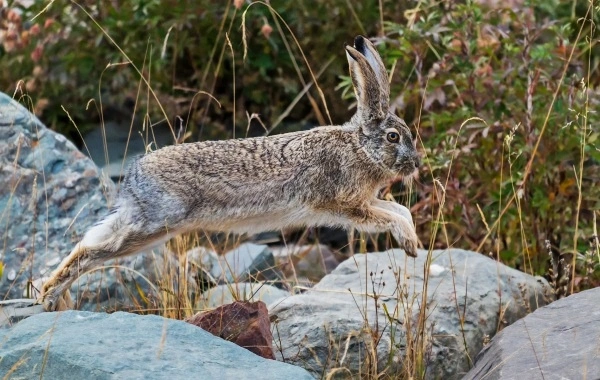
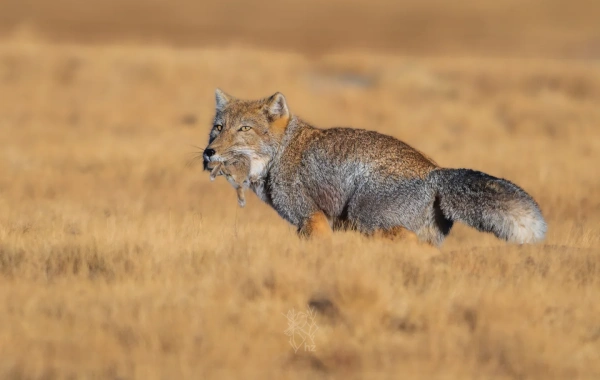
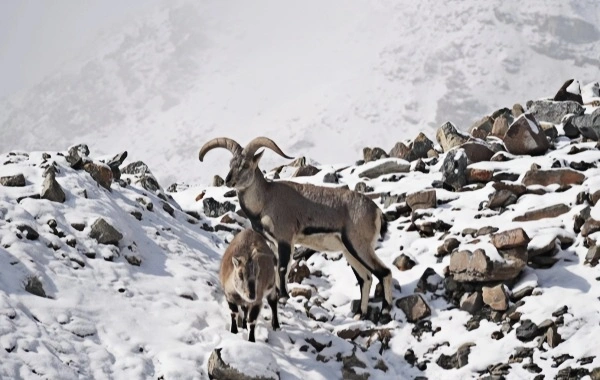
National Park Development (2017–Present): The pilot program for the Qilian Mountains National Park system was launched with the guiding principle of "establishing the park free of existing ecological ailments." Consequently, forest coverage has steadily increased, and populations of rare wildlife—such as snow leopards, white-lipped deer, and black-necked cranes—have begun to recover.

A Stunning Debut (2020–Present): By 2025, the Qinghai section of the Qilian Mountains National Park (Pilot Zone) had welcomed a cumulative total of 145,000 eco-tourists, serving as a vivid exemplar of the philosophy that "lucid waters and lush mountains are invaluable assets."

> Dive Deeper: Explore more of China's ecological conservation miracles.>>[Hailuogou Glacier][Bipeng Valley]

Must-See Wonders: A Symphonic Poem of Nature and Culture

Furong Ancient Town Furong Ancient Town Furong Ancient Town Furong Ancient Town Furong Ancient Town Furong Ancient Town Furong Ancient Town

Nature's Masterpiece—A Three-Dimensional Tapestry of Snow-Capped Peaks, Grasslands, and Canyons

The natural landscape of the Qilian Mountains is an eternal dance of elevation, color, and life.

Majestic Snowscapes—The "Solid Reservoir" of the Qinghai-Tibet Plateau

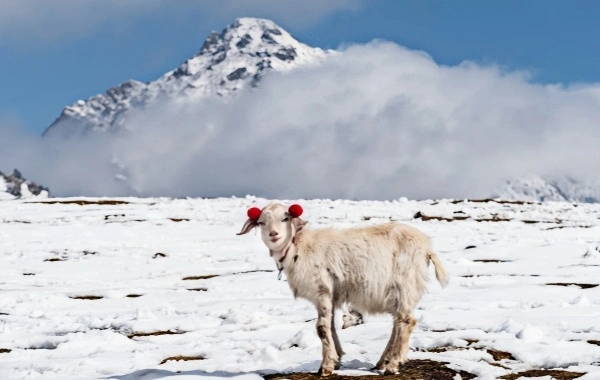
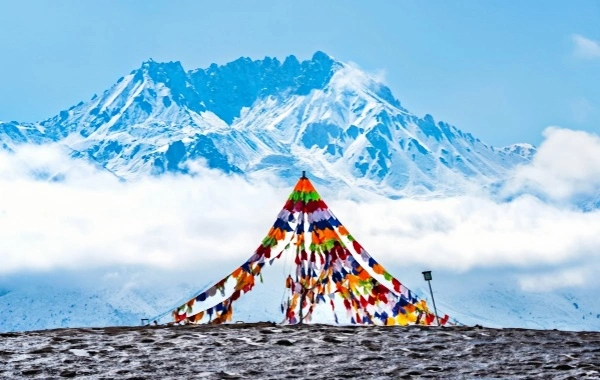
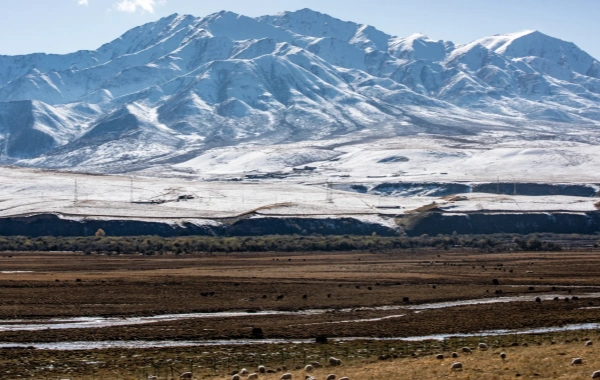
The Qilian Mountain Range is home to 3,306 glaciers covering an area of ​​approximately 2,062 square kilometers, serving as the vital "lifeline" of the Hexi Corridor. Its highest peak, Mount Tuanjie, stands at an elevation of 5,808 meters and remains snow-capped year-round, while the "July 1st Glacier" is one of the most accessible glaciers in Asia—located just a short distance from a paved road.

Bayi Glacier: Situated within Qilian County, this glacier is a hidden gem nestled deep within the heart of the Qilian Mountains. Under the guidance of professional guides, visitors can get up close to touch layers of "blue ice" formed over hundreds of millions of years, experiencing firsthand both the majestic grandeur and the delicate fragility of the glacier. Important Note: Entry requires a research permit applied for in advance; unauthorized climbing is strictly prohibited.

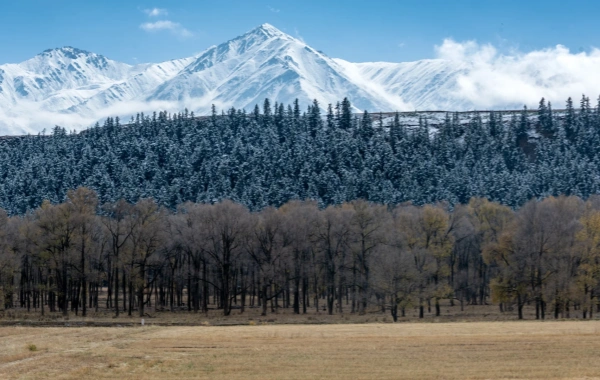
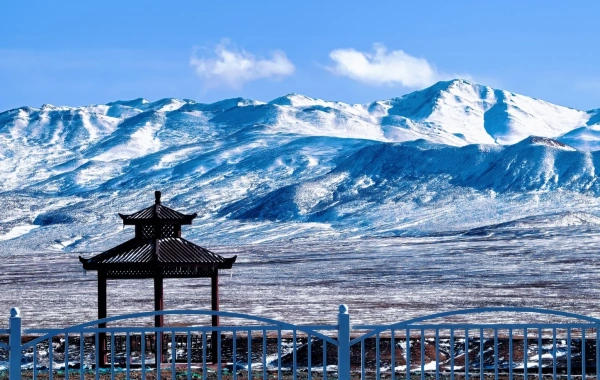
Gangshika Snow Peak: Hailed as "the first snow mountain of a lifetime," standing at an elevation of 5,254.5 meters, it serves as an ideal entry-level destination for aspiring mountaineers. When viewed from a distance, the snow-capped peak appears and disappears amidst the clouds and mist, resembling a scene straight out of a fairyland.

Snow-Viewing Tips: The best time for viewing is during winter and early spring. While the snowline sits higher during the summer months of July and August, the snow-capped peak remains clearly visible.

Vast Plains — One of China's Six Most Beautiful Grasslands

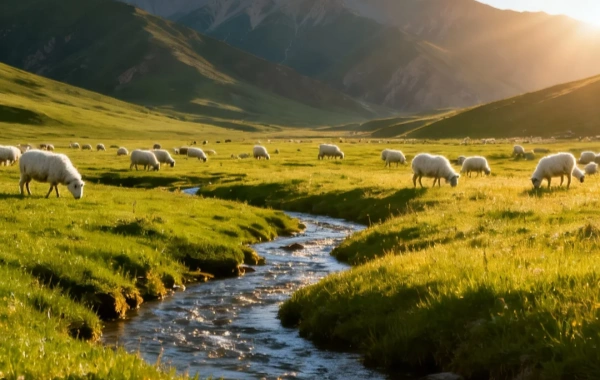
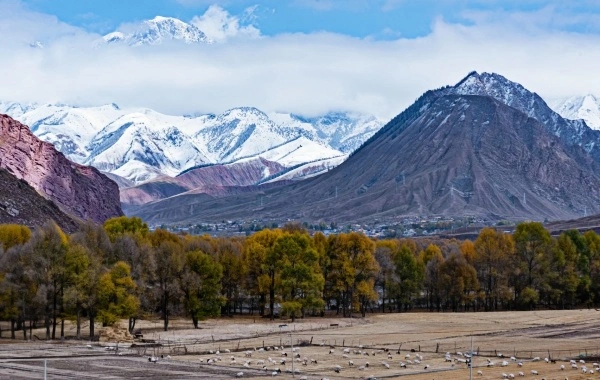
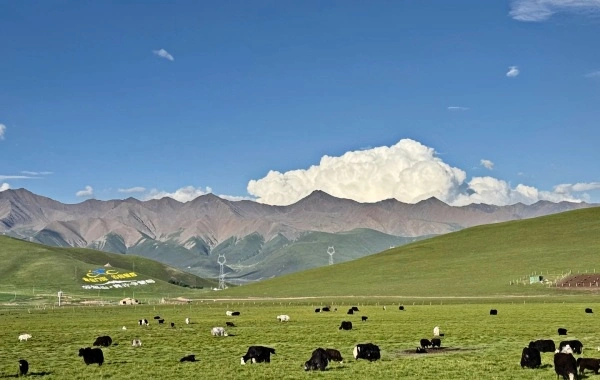
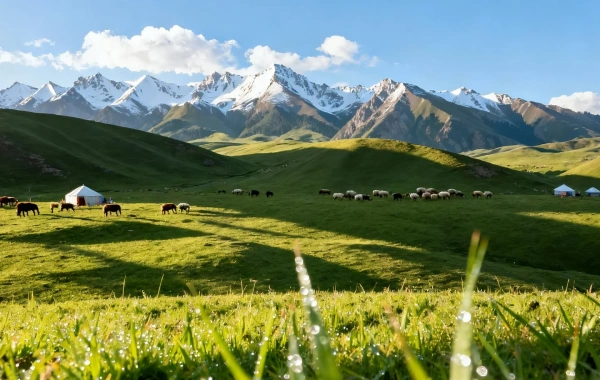
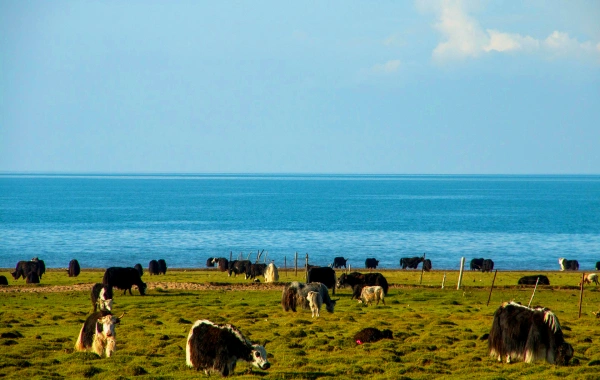
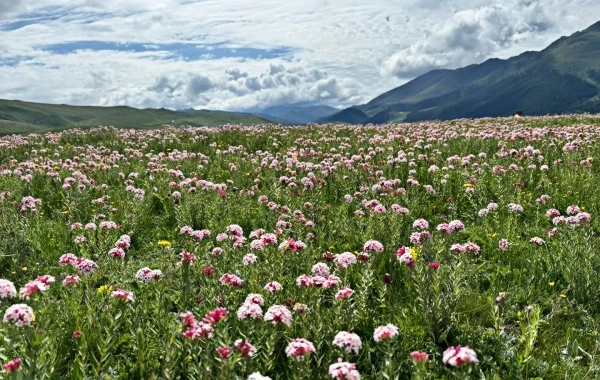
The Qilian Mountain Grassland is renowned as one of the six most beautiful grasslands in China. Every July and August, the pastures transform into a lush green carpet, dotted with grazing cattle and sheep, creating a striking visual contrast against the distant, snow-capped mountains.

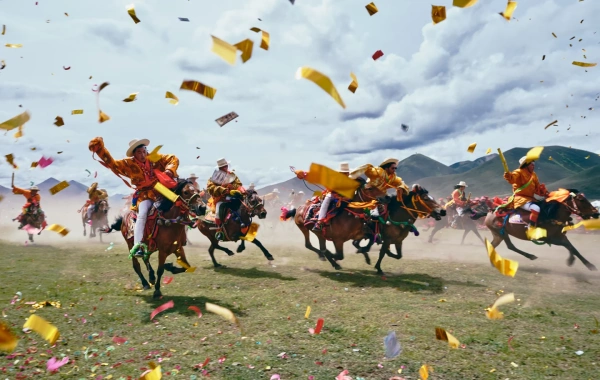
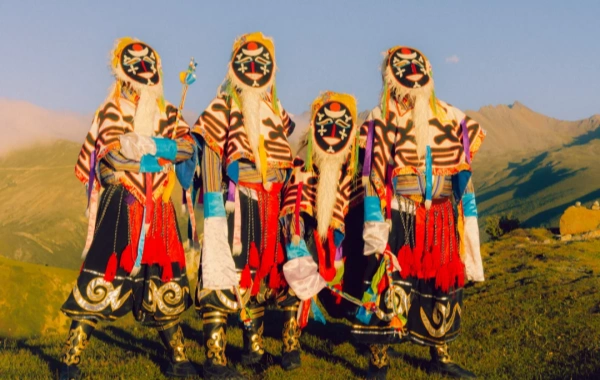
Qilian Mountain Grassland (Core Zone): Gallop on horseback across the lush, grassy pastures and immerse yourself in the poetic imagery of the plateau—where "the wind blows low across the grass, revealing herds of cattle and sheep." Summer visitors can enjoy a homestay experience with local herdsmen (approx. 50 RMB/hour), which includes opportunities to dress in traditional Tibetan attire, try their hand at milking yaks, and—at night—join a grassland bonfire party to gaze up at the Milky Way.

Ebao Grassland: Located in the eastern part of Qilian County within Qinghai's Haibei Prefecture, this site marks the convergence point of the Tang-Tubo Ancient Road and the Qiangzhong Road, earning it the title of the "Northern Gateway to Qinghai." It offers an exceptional vantage point for capturing photographs that frame both the snow-capped mountains and the rolling grasslands in a single shot.

Spectacular Valleys — Canyons, Danxia Landforms, and Glacial Relics

The Qilian Mountain region offers more than just the gentle beauty of grasslands; it also features magnificent canyons and dramatic Danxia landforms.

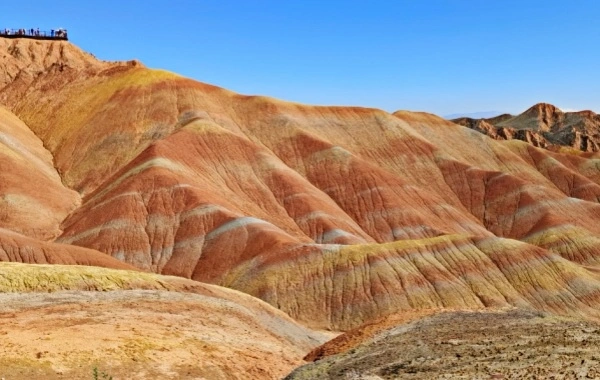
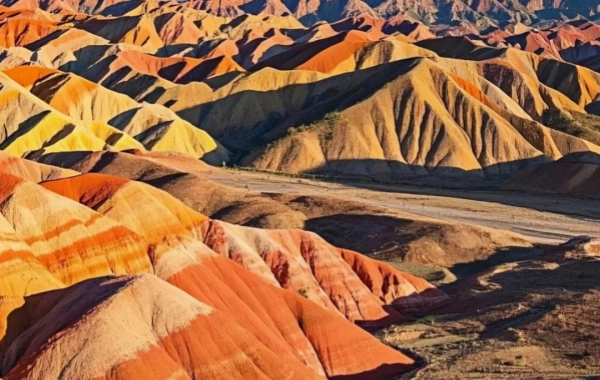
Zhuoer Mountain: Hailed as the "Switzerland of the East," this site features striking color contrasts between its red sandstone peaks and the surrounding fields of golden rapeseed flowers. The best vantage point for photography is the Beacon Tower Observation Deck, where—in the early morning—visitors can witness the "Golden Summit Spectacle" as sunlight bathes the peak of Niuxin Mountain (Admission: 60 RMB; arriving before 6:00 AM is recommended).

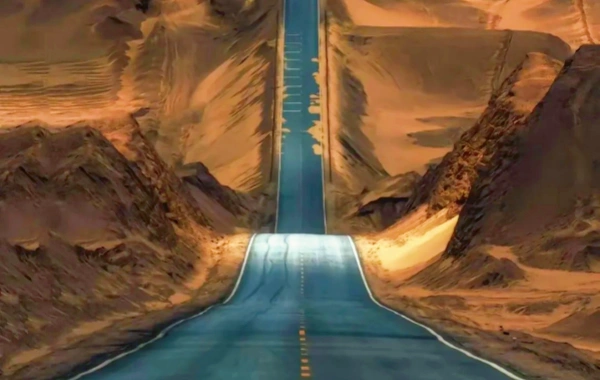
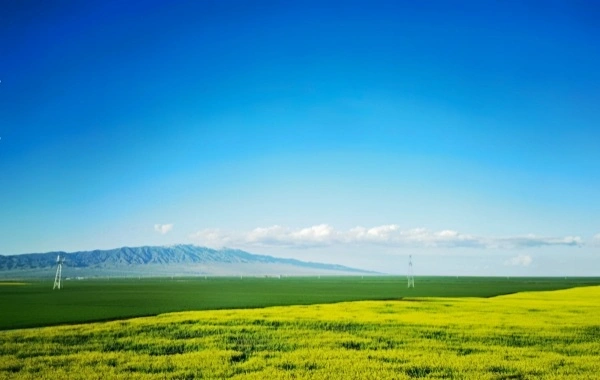
Biandukou Canyon: A rugged canyon situated at the border between Minle County (Zhangye, Gansu) and Qilian County (Qinghai), serving as a vital strategic pass along the historic Silk Road. National Highway G227, which runs through the canyon, features 12 designated observation decks along its route; in July, the landscape transforms into a massive, living oil painting, woven from tens of thousands of acres of golden rapeseed flowers and green highland barley fields. Heihe Grand Canyon: Spanning over 800 kilometers, the Heihe River flows through the heart of the Qilian Mountains, carving out a landscape of deep, rugged canyons. As you drive along the Erga Highway, the scenery constantly shifts between snow-capped mountains, vast grasslands, and dramatic gorges.

> Photography Tips:

>  Zhuoer Mountain Viewpoint is ideal for capturing sunrises and panoramic views of the Danxia landforms.

>  The G227 National Highway at Biandukou offers perfect opportunities for epic road photography and shots of the vast seas of canola flowers.

>  At the Bayi Glacier, you can photograph the spectacular "blue ice" phenomenon (a telephoto lens is recommended).

>  The Erga Highway is excellent for drone photography, allowing you to capture the sweeping curves of the canyon from above.

>  Deep within the grasslands, where morning mist intertwines with shifting light and shadow, lies the perfect moment to engage in "forest bathing" and meditation.

Cultural Craftsmanship—Living Cultural Memories of the Ancient Silk Road

The Qilian Mountains are not merely a natural treasure trove; they serve as a living museum where the cultures of diverse ethnic groups harmoniously intertwine.

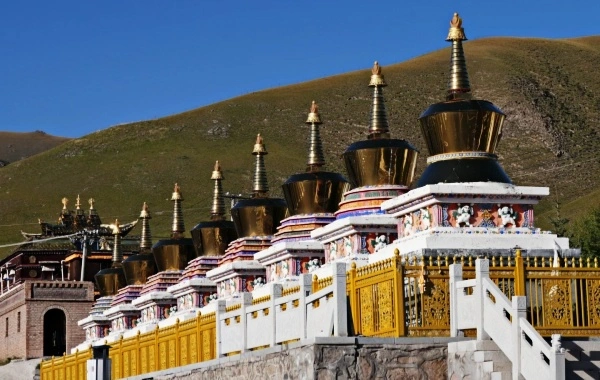
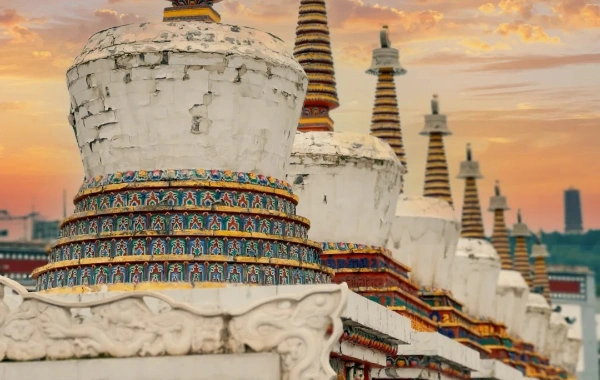
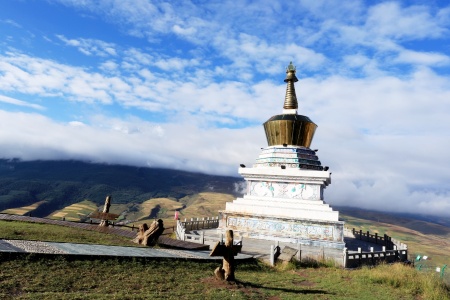
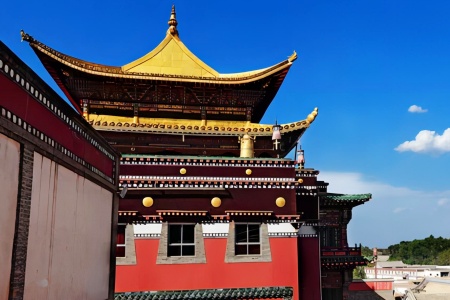
Arou Great Monastery: A Tibetan Buddhist monastery that retains a more pristine, authentic atmosphere than the renowned Kumbum Monastery. Its golden prayer wheel corridors create a striking contrast against the backdrop of snow-capped mountains. Visitors can observe the monks' daily scripture debates between 15:00 and 16:00; the hill behind the monastery offers a hidden vantage point for capturing panoramic views.

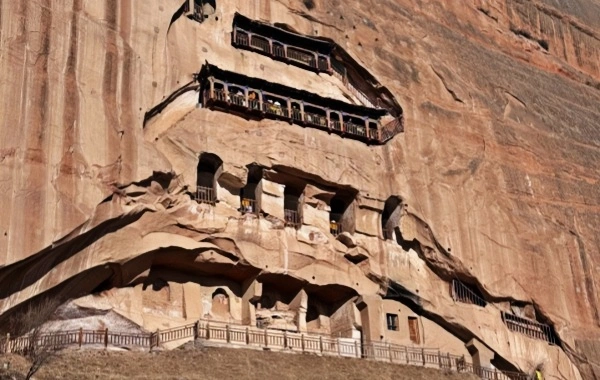
Mati Temple Grottoes: Located in Sunan Yugur Autonomous County (Zhangye), this site seamlessly blends grotto art, religious culture, and local ethnic customs. Originally established during the Northern Liang Dynasty, it boasts a history spanning over 1,600 years. The "Thirty-Three Heavens" Grottoes—suspended high up the cliff face—are a truly breathtaking sight.

Tibetan Cultural Experiences: The Qilian County region is home to a diverse population, including Tibetan, Hui, Mongol, and Yugur ethnic groups. Visitors can stay in traditional Tibetan tents, savor local delicacies such as butter tea and tsampa, and participate in folk festivities like the Guozhuang circle dance and horse racing.

Silk Road Relics: The Qilian Mountains region served as a vital thoroughfare along the ancient Silk Road, leaving behind numerous historical sites and frontier passes—such as the Jiayuguan Pass and the Han Dynasty Tombs of the Black Water Kingdom—that stand as enduring testaments to the cultural exchange between East and West.

Core Experiences: A Guide to In-Depth Exploration of the Highland Wilderness

Furong Ancient Town Furong Ancient Town Furong Ancient Town Furong Ancient Town Furong Ancient Town

Five Must-Do Activities to Unlock the Complete Qilian Mountain Journey

1. Climb Zhuoer Mountain to Watch the Sunrise

Time: Arrive at the Beacon Tower Viewing Platform before 6:00 AM.

Experience: Witness the interplay of red sandstone peaks and golden morning light; watch as the snow-capped Niuixin Mountain is bathed in gold, and feel the awe-inspiring grandeur of the "Switzerland of the East."

2. Gallop Across the Qilian Mountain Grasslands

Experience: Ride a horse across one of China's six most beautiful grasslands (50 RMB/hour); don traditional Tibetan attire to try your hand at milking yaks; and join a lively grassland bonfire party.

Summer Exclusive: In late July, witness the vast canola flower fields of Menyuan framed against the backdrop of snow-capped mountains—a breathtaking spectacle of golden blooms stretching for miles.

3. Explore the Mysteries of the Bayi Glacier

Important Note: A scientific research permit must be applied for one week in advance. You must be accompanied by a professional guide; independent climbing is strictly prohibited.

Recommended Gear: Windproof shell jacket, trekking poles, portable oxygen tank, sunglasses (snow glare is extremely intense).

4. Feast on Authentic Highland Flavors

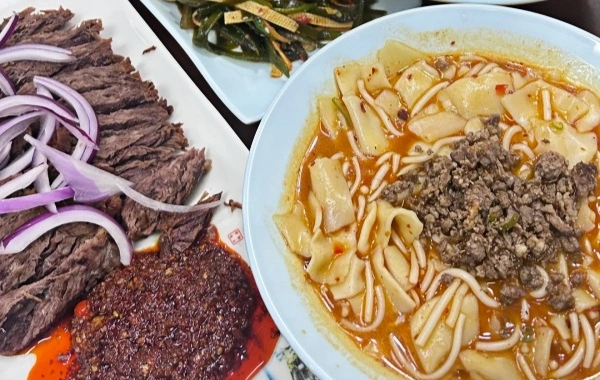
Must-Order Dishes: Hand-grabbed Mutton (Shouzhua Yangrou), Yak Hotpot, Yellow Mushroom Stewed Mutton, Qilian Fried Noodles.

Snack Hunt: Yak Yogurt (try it mixed with roasted barley flour), Butter Tea and Tsampa, Freshly Grilled Mutton Skewers.

Recommended Spots: Tibetan-style restaurants along the Babao River in Qilian County; the Ganzhou Night Market in Zhangye.

5. Drive Along "China's Most Beautiful National Highway"

Route: National Highway G227 (Xining–Zhangye Section)—hailed as "China's Most Beautiful National Highway."

Experience: The route strings together a diverse landscape of snow-capped mountains, grasslands, canyons, and canola flower fields; stop at the Biandukou Viewing Platform for a panoramic overlook of the Hexi Corridor.

Suggested Itineraries

One-Day "Qilian Highlights" Tour (Ideal for those with limited time):

Depart from Qilian County in the morning → Watch the sunrise at the Zhuoer Mountain Scenic Area (2 hours) → Pilgrimage to Arou Great Monastery (1 hour) → Horseback riding experience on the Qilian Mountain Grasslands (1.5 hours) → Lunch at a Tibetan homestay/restaurant on the grasslands → In the afternoon, travel along National Highway G227 to the Biandukou Scenic Viewpoint (1 hour) → Return to Qilian County or proceed to Zhangye.

IntoTravelChina Tip: This itinerary is fast-paced; we recommend chartering a vehicle or driving yourself. As you will be in a high-altitude region, please take precautions against sunburn and ensure you dress warmly.

3-Day "Heavenly Qilian" Immersive Tour (Highly Recommended):

Day 1: Arrive in Zhangye or Xining → Charter a vehicle to Qilian County (passing through Biandukou and Ebao Grassland en route) → Check into a boutique guesthouse in Qilian County (we recommend a room with a snow-capped mountain view) → In the evening, stroll along the banks of the Babao River and sample local Qilian cuisine.

Day 2: Early morning ascent of Zhuoer Mountain to watch the sunrise → Venture deep into the Qilian Mountain grasslands to experience the nomadic lifestyle (horseback riding, milking yaks, making tsampa) → In the afternoon, visit Arou Great Monastery → Spend the night in a traditional grassland tent or return to Qilian County.

Day 3: Travel to the Bayi Glacier (a local guide must be booked in advance) → Stop along the scenic mountain road to capture stunning photos → In the afternoon, return to Qilian County or proceed to Zhangye → Tour concludes.

IntoTravelChina Advantage: We can book the perfect accommodations to suit your needs, seamlessly coordinate all your activities, and provide detailed hiking route maps and safety guidelines.

> Professional Guides: IntoTravelChina offers fully customized itineraries, including a dedicated private guide, transportation, and activity arrangements, ensuring a worry-free and deeply immersive travel experience.  >> [Consult for Customization Now]

Comprehensive Travel Guide: Transportation, Accommodation, and Seasons

Furong Ancient Town Furong Ancient Town Furong Ancient Town Furong Ancient Town

How to Get There: A Seamless Connection Guide

The Qilian Mountain range covers a vast area; there are no high-speed train stations or airports located directly within its core scenic zones. Xining, Zhangye, and Lanzhou serve as the primary transit hubs for reaching the region. From Across the Country → Xining: High-speed rail or air travel is recommended. Xining Caojiabao Airport offers flights connecting to major cities nationwide, while Xining High-speed Railway Station provides connections to destinations across the country.

Xining → Qilian County: Self-driving or private charter is recommended; the journey takes approximately 4.5 hours. The route travels via National Highway G227 and passes the Dabanshan Viewing Platform, offering spectacular scenery.

Zhangye → Qilian County: Self-driving or private charter; the journey takes approximately 3 hours. The route passes through Biandukou and the Ebao Grasslands along the way.

Transportation within Qilian County: Private charter or car rental is recommended. A private charter (approx. 400–500 RMB per day) is highly suggested, preferably with a local driver who is familiar with the road conditions.

Important Notice: Unauthorized tourism and adventure activities are strictly prohibited within the core and buffer zones of Qilian Mountain National Park. Please ensure that you only visit designated, developed, and open areas; entering restricted areas within the nature reserve is strictly forbidden.

Best Time to Visit

Qilian Mountain offers beautiful scenery throughout all four seasons, though each possesses a distinct character. The best times to visit are July–August and September–October.

July–August (The Golden Season): The grasslands are lush green, seas of canola flowers are in full bloom, and the climate is pleasant (daytime temperatures range from 15°C to 25°C). The canola flower fields in Menyuan reach their peak bloom in mid-to-late July, making this the prime time for photography.

September–October (Autumn Colors Season): The grasslands turn golden, the autumn foliage is vibrant, and tourist crowds thin out—making this a "golden period" for photography enthusiasts. Late September offers the best overall travel experience.

May–June (Value Season): The grasslands are gradually turning green, tourist numbers are low, and accommodation prices are more affordable—making this an ideal time for budget-conscious travelers.

Winter (The Tranquil Season: December–February): Visibility for the snow-capped mountains is at its highest, offering opportunities to photograph the spectacular "blue ice" phenomenon; however, some scenic areas may be closed during this period, and you must come prepared with adequate cold-weather gear. 4.3 Accommodation Options

Within or Near the Scenic Area (Recommended Choice):

1.  Qilian County Boutique Homestays:

   Experience: Situated along the banks of the Babao River in Qilian County, offering window views of snow-capped mountains and a rich Tibetan cultural ambiance.

   Price: Approximately 300 RMB per night (for rooms with mountain views).

   Best For: Most travelers seeking convenient access to attractions while prioritizing value for money.

2.  Grassland Tents / Tibetan-style Homestays:

   Experience: Venture deep into the Qilian Mountain grasslands to experience the lifestyle of local herdsmen and gaze up at the starry night sky.

   Best For: Travelers seeking an immersive experience and a preference for pristine, natural environments.

Accommodation in Nearby Cities (Flexible & Budget-Friendly Options):

1.  Hotels in Zhangye City: A wide range of options available, from budget-friendly inns to 5-star hotels; ideal for travelers planning to visit attractions such as the Zhangye Danxia Landform and the Giant Buddha Temple.

2.  Hotels in Xining City: Conveniently located with excellent transport links; ideal for travelers looking to combine their visit with other attractions such as Qinghai Lake and Chaka Salt Lake.

IntoTravelChina Accommodation Booking Tips:

We strongly recommend planning your itinerary and booking your accommodation at least 12 months in advance—especially if traveling during the peak season of July and August. Booking through us not only provides access to real-time room availability but also allows for the bundling of accommodation, attraction tickets, and transportation into a single plan. This often results in package discounts and ensures a seamless, hassle-free travel experience. Simply let us know your budget and requirements, and we will match you with the perfect "Home in the Sky" for your journey. >>[Click to contact IntoTravelChina Travel Consultant]
Extended Journeys: Connecting the Highlights of the Qinghai-Gansu Grand Loop

Furong Ancient Town

The Qilian Mountains are by no means the end of your journey, but rather the perfect starting point for exploring the spectacular Qinghai-Gansu Grand Loop. Classic 3-Day Qilian Route: Xining → Menyuan Flower Sea (July) → Qilian County (Overnight) → Zhuoer Mountain → Arou Great Temple → Biandukou Pass → Zhangye (Return)

In-Depth 5-Day Eco-Tour: Includes an expedition to the Bayi Glacier + An immersive homestay experience with local herdsmen on the Qilian Grasslands + Hiking in the Heihe Grand Canyon

Classic 10-Day Qinghai-Gansu Grand Loop: Xining → Qinghai Lake → Chaka Salt Lake → Emerald Lake → Dunhuang → Jiayuguan Pass → Zhangye Danxia Landform (Rainbow Mountains) → Qilian Grasslands → Menyuan → Xining

Partner with IntoTravelChina to Embark on Your Exclusive Journey to the "Sky Realm"

The story of the Qilian Mountains is one of ecological rebirth, the cultural heritage of the Silk Road, and the majestic beauty of the high plateau. IntoTravelChina specializes in crafting in-depth, personalized, and hassle-free travel experiences across China.

Our travel experts are here to provide you with:

Tailor-Made Itineraries: We design the perfect route—incorporating the Qilian Mountains and the Qinghai-Gansu Grand Loop—based on your specific interests and available time.

One-Stop Service: We handle everything—securing entrance tickets, booking unique accommodations, arranging transportation, coordinating local guides, and scheduling activities.

Exclusive Experiences: We arrange visits to local herdsmen's homes, provide professional guides for the Bayi Glacier expedition, offer guidance on the best times for photography, and more.

Let your journey to the Qilian Mountains be more than just sightseeing; let it be an immersive experience of natural and cultural rebirth.

> Start Planning Your Journey Now

> We invite you to contact our professional travel consultants. We will provide you with a personalized itinerary proposal and price quote within 24 hours. >>Click to contact IntoTravelChina travel consultant

What Our Clients Say?

Based on 10,000+ traveler reviews

...
Daniel Dorothea
Canada
Reviewed on April 29,2025
Shopping on Nanjing Road in Shanghai was just amazing! It's truly the "First Commercial Street of China", where tradition and modernity blend perfectly. You can find awesome souvenirs and experience the trendy vibes in cool stores. The neon lights at night are just spectacular, shining bright like Times Square in New York. The food here is incredible too. I had a feast for my taste buds. Shanghai, I'll definitely be back!
Destination(s): Shanghai
Date of Experience: May 08,2024
...
...
Elvis Eva
Canada
Reviewed on June 20,2025
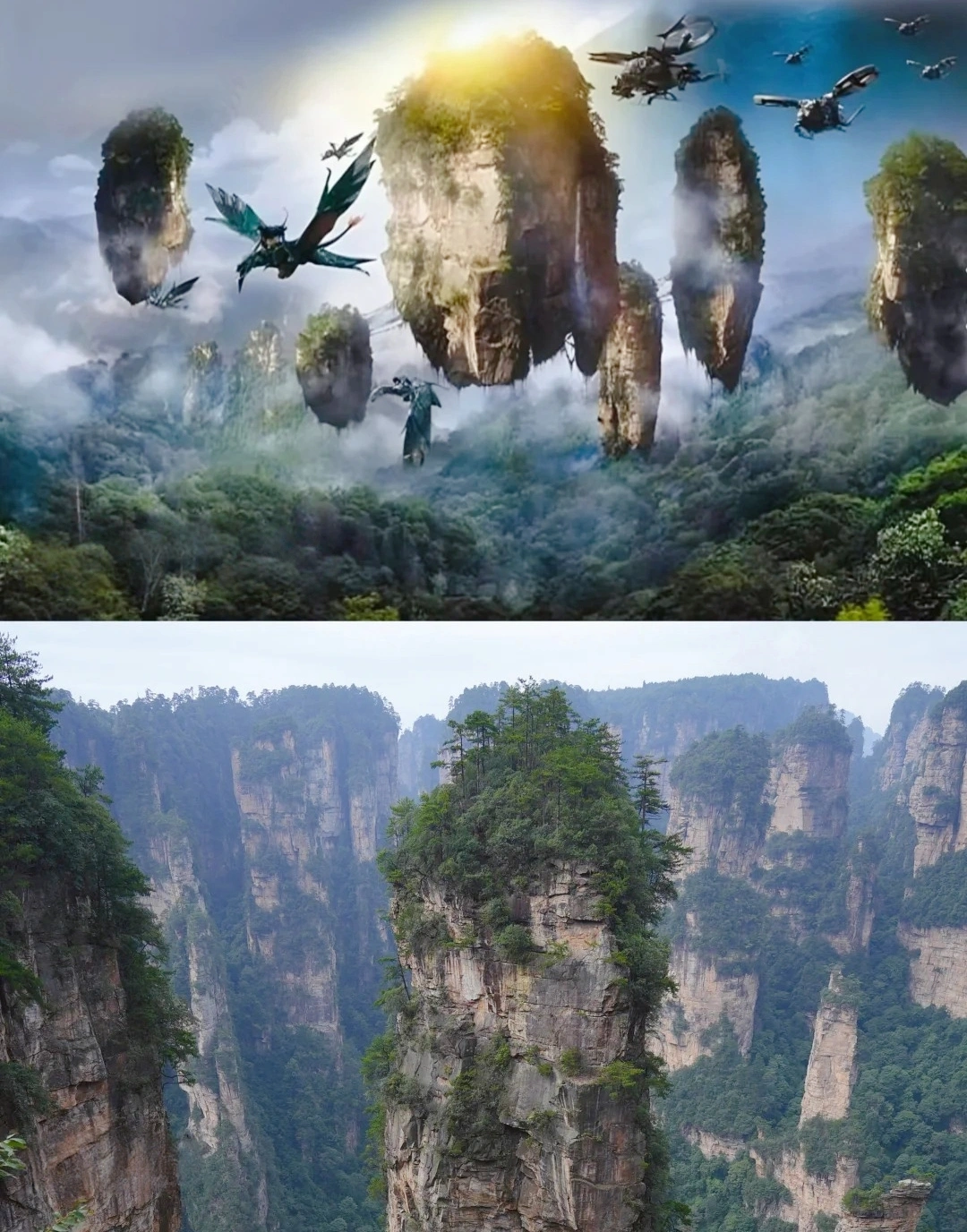
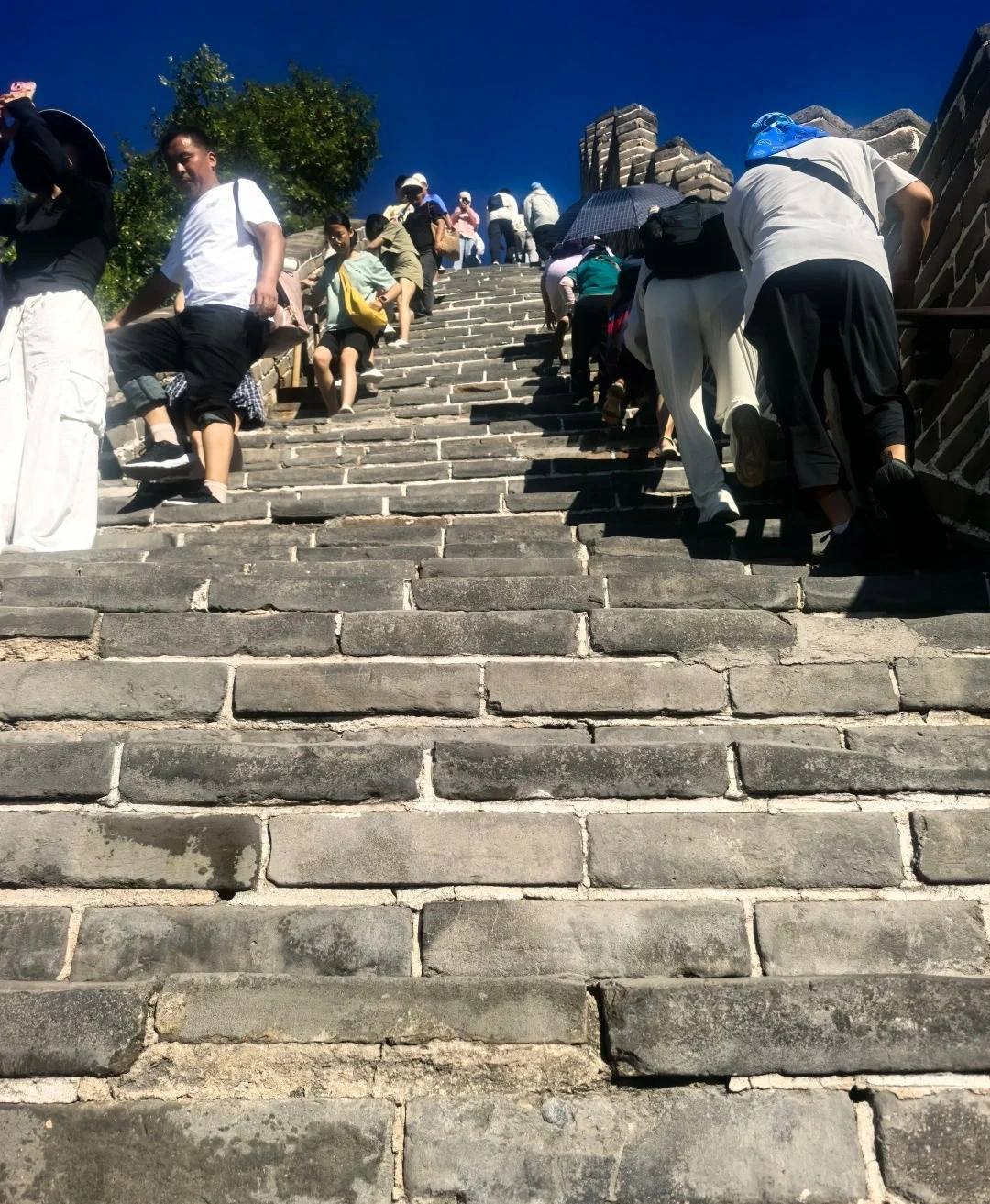
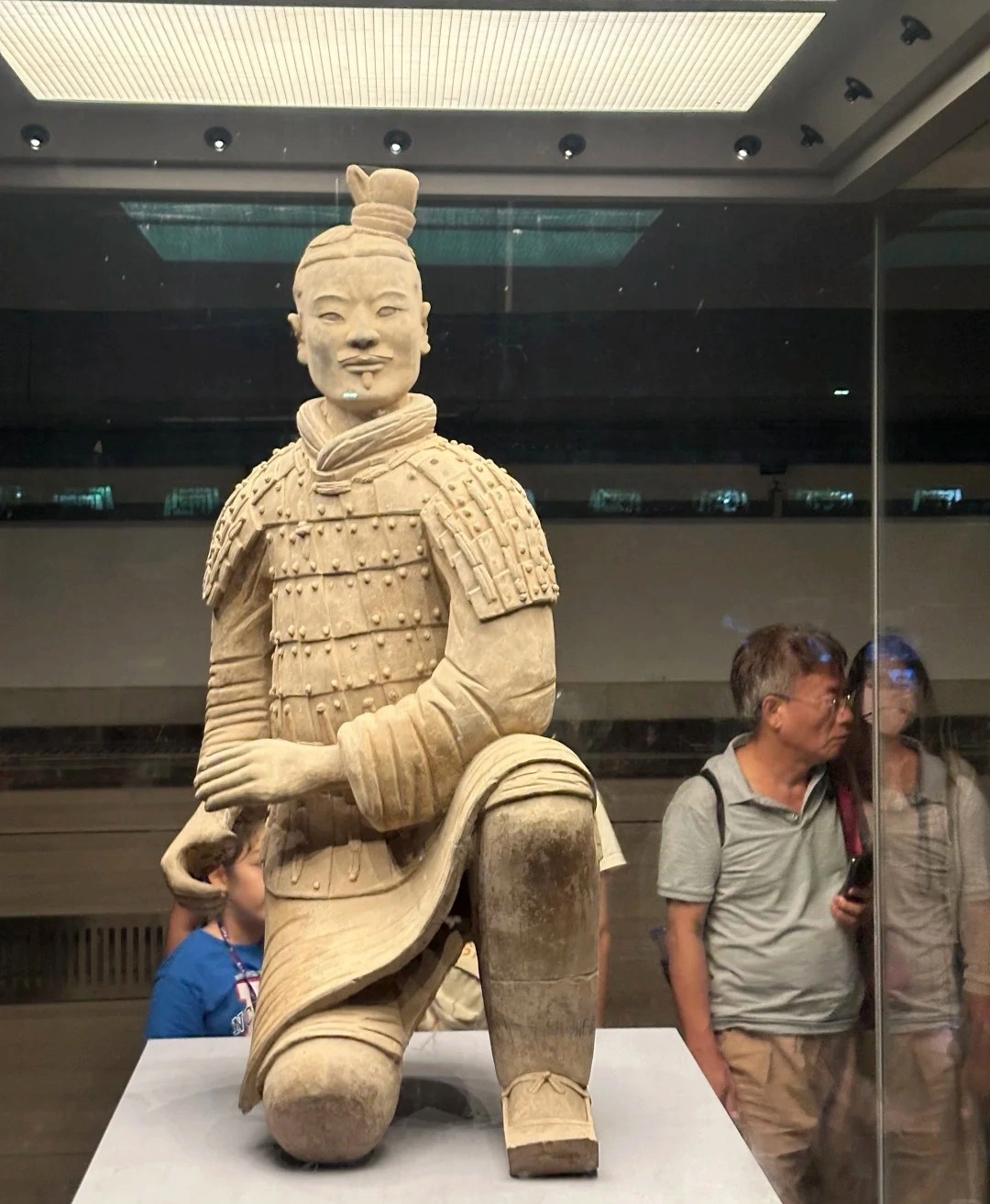
As a solo traveler from Canada, I was nervous about navigating China alone—but this 11-day tour was PERFECT! From hiking the Great Wall at sunrise (Day 3) to gasping at the Terracotta Army (Day 5), every day delivered ‘pinch-me’ moments. The real showstopper? Zhangjiajie’s Avatar Mountains (Day 7)! Our guide made the stone pillars come alive with stories. Massive thanks for handling all logistics—bullet train tickets, entry passes, car! And the 4-star hotels surprised me.
Destination(s): Beijing Xian Zhangjiajie Shanghai
Date of Experience: June 02,2025
... ... ...
...
Simon
America
Reviewed on May 29,2025
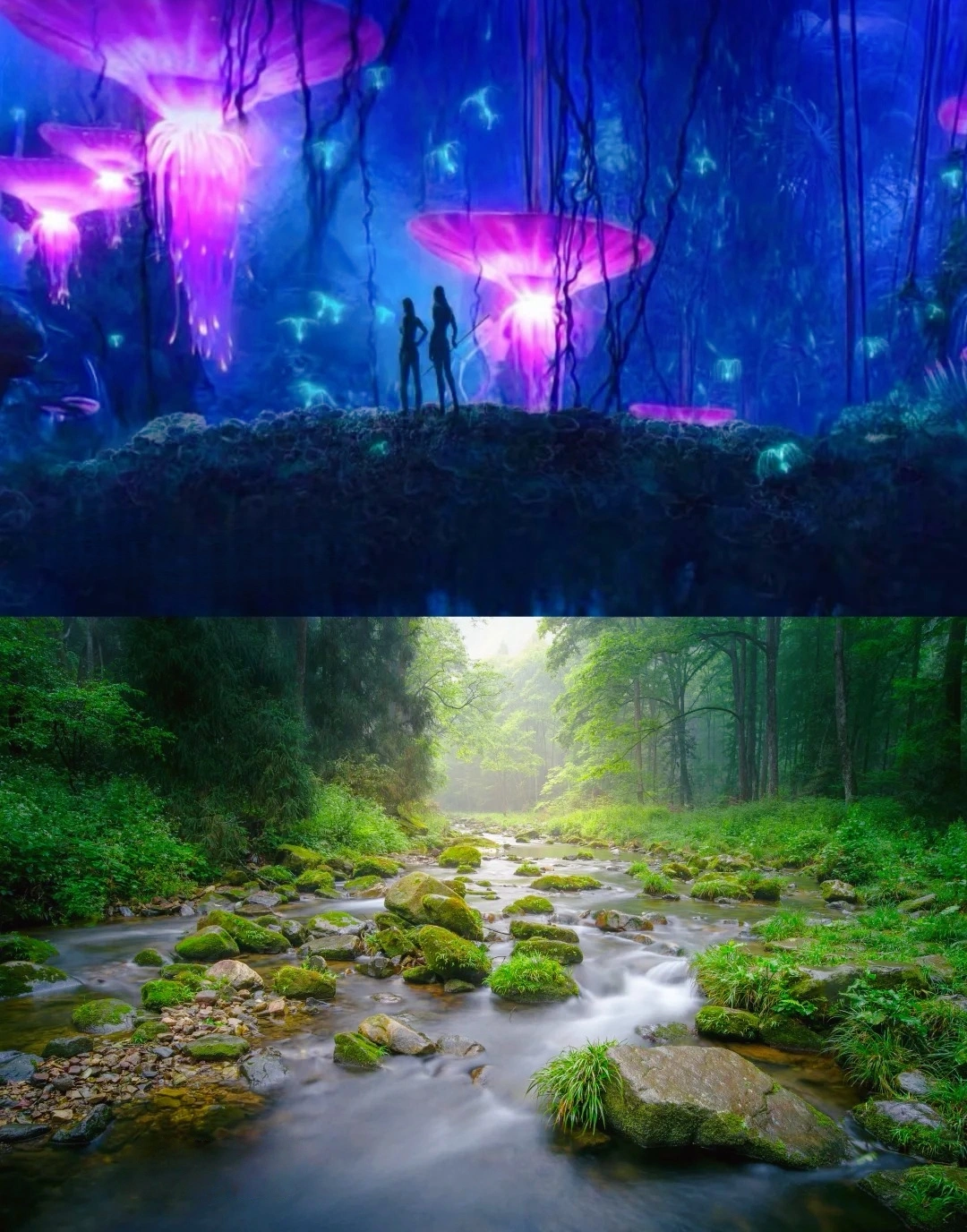
Our 2-day Zhangjiajie tour was beyond spectacular! As someone who’s visited Beijing and Shanghai for work, this trip revealed China’s wild, magical heart. Day 1 in Zhangjiajie National Forest Park felt like stepping onto Pandora—I’m a huge Avatar fan, and Yuanjiajie’s floating peaks left me breathless. The misty pillars and lush valleys like pure movie magic! Then came Fenghuang Ancient Town, we eat dinner beside the thundering waterfall. It seems Unreal! The night views of stilt houses glowing over the river were straight from a fairy tale. For fellow Avatar lovers and adventure seekers: Don’t miss this bucket-list experience! 10/10 would return. A Well-Traveled Film Buff, May 2025
Destination(s): Zhangjiajie
Date of Experience: May 08,2025
... ...

Ask a Question

Question Summary (100 characters)
Details (optional) (2,000 characters)
Name
Country
Email