Zen Space – A Tranquil Oasis in the City
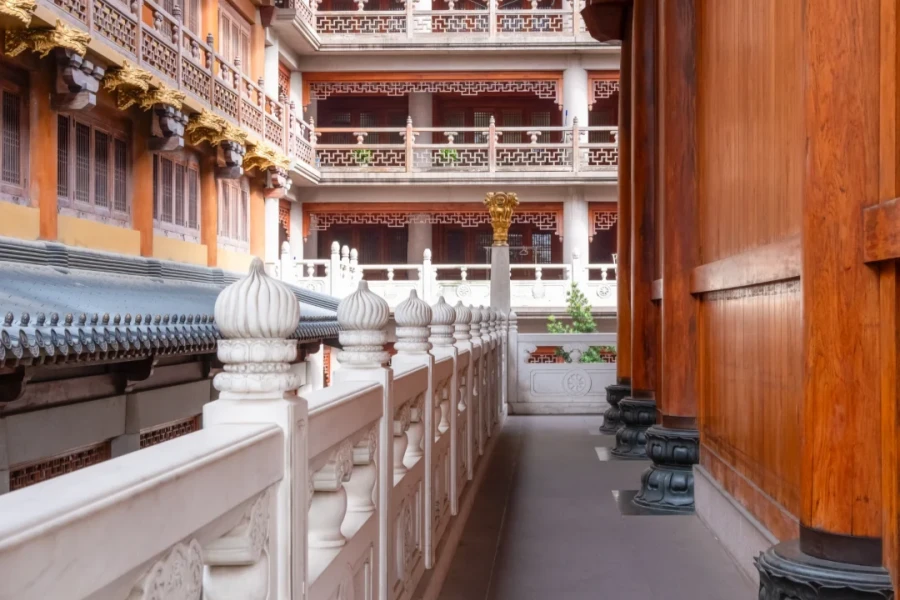
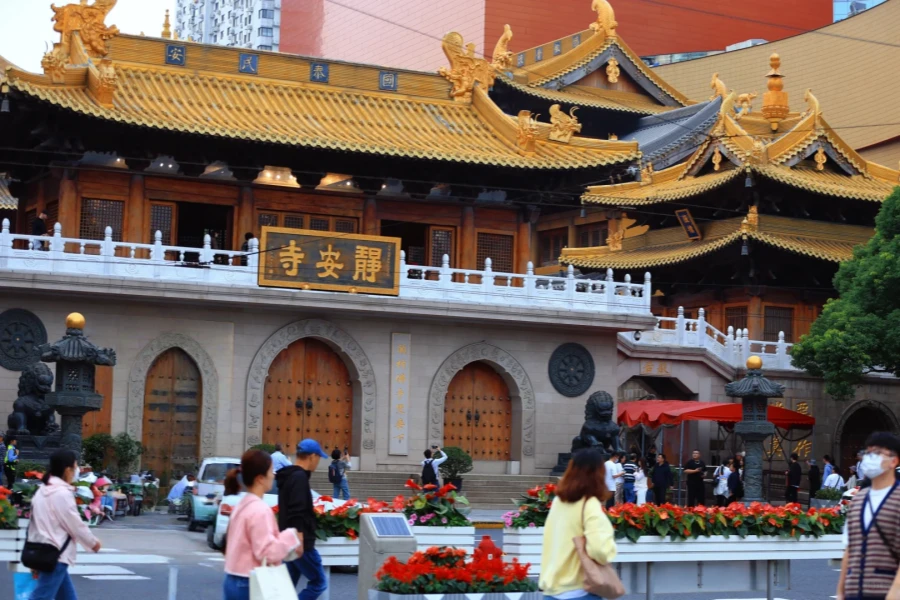
Although Jing'an Temple is located in a bustling city, its interior layout and details create a tranquil atmosphere that progresses in layers.
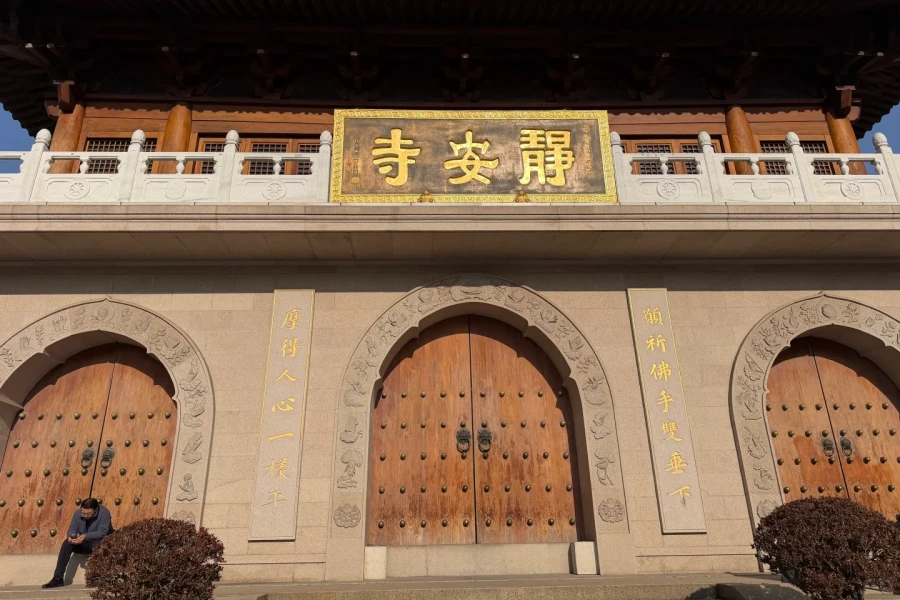
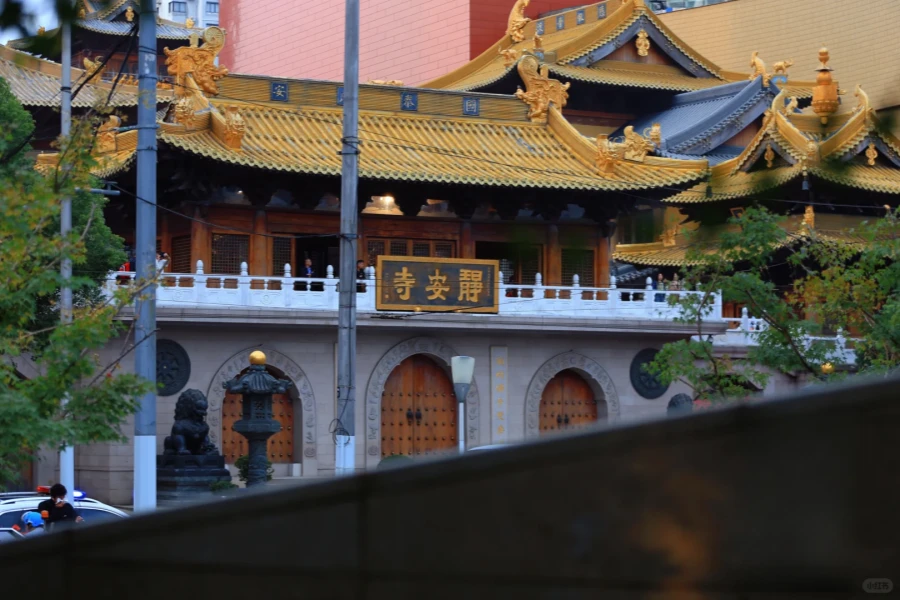
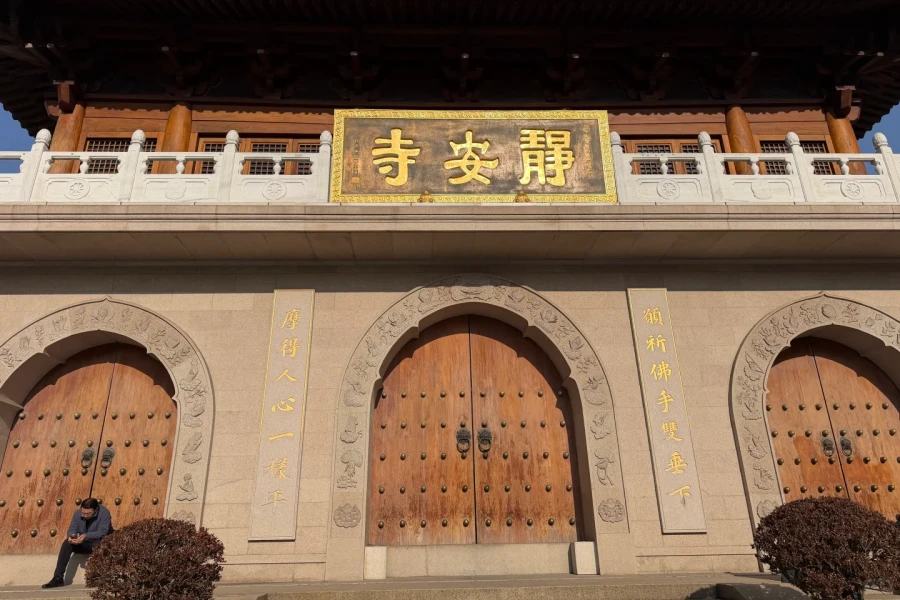
- The mountain gate and the "Chiwu Mountain" plaque: The towering mountain gate hall hangs with the plaque "Jing'an Temple". Pay special attention to the back, where the plaque "Chiwu Mountain" hangs, indicating the temple's long history dating back to the Chiwu year of the Eastern Wu Dynasty, instantly transporting visitors into the long river of history.
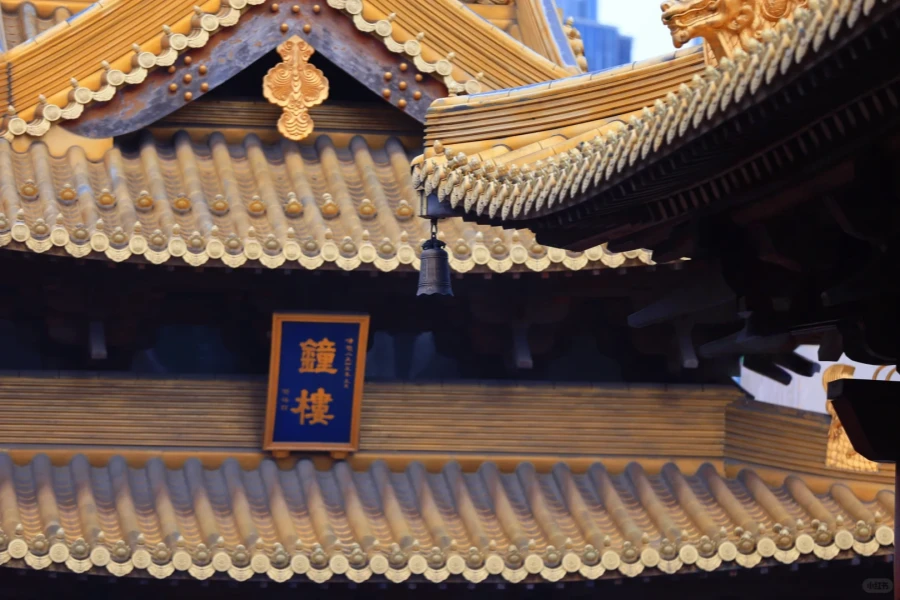
- The Blessing and Wisdom Cauldron and the Peace Bell Tower: Upon entering the temple, the first thing that catches the eye is the 15.5-ton Bronze Blessing and Wisdom Cauldron, and the symmetrical Peace Bell Tower and Prosperity Drum Tower. The morning bell and evening drum are the rhythm of temple life, and also express wishes for the prosperity of the city and the well-being of the people.
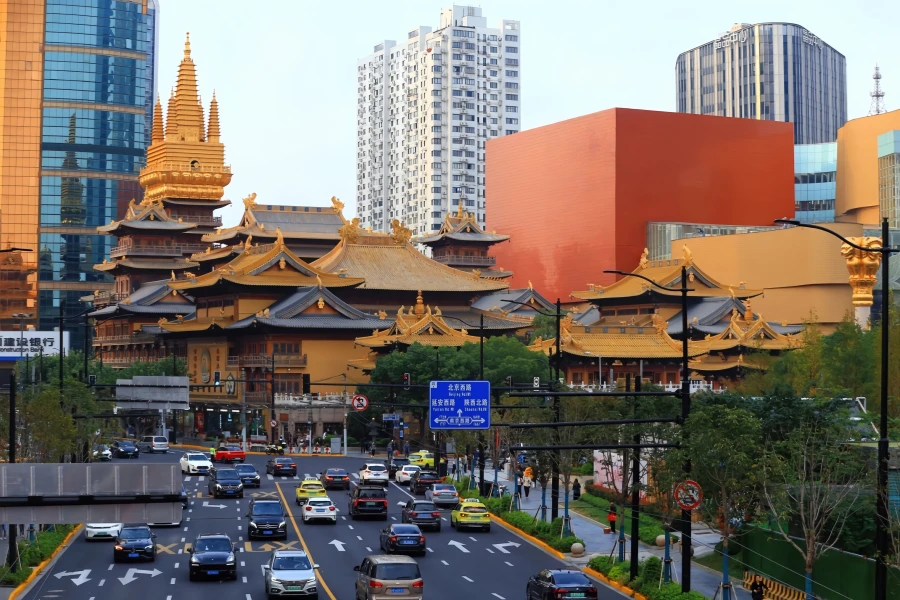
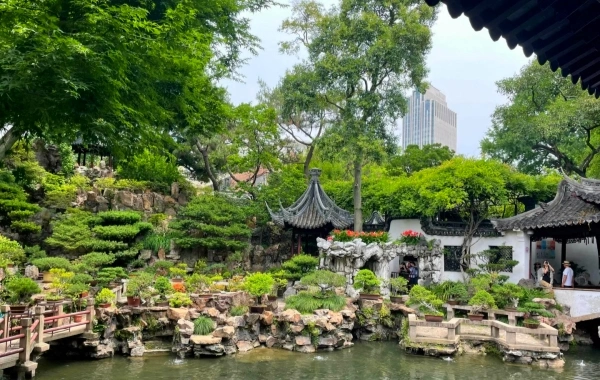
- Courtyard gardens and ancient trees: The temple grounds are meticulously arranged with lush greenery. Beside the bustling Nanjing West Road, this is a rare ecological micro-space where one can breathe deeply and find peace of mind. Magnolias in spring and ginkgo trees in autumn add natural seasonal beauty to the golden architecture.
Architectural Treasures: A Palace of Song Dynasty Legacy and Buddhist Art
The buildings here are not only religious sites, but also a concentrated display of classical Chinese architectural techniques and Buddhist art.
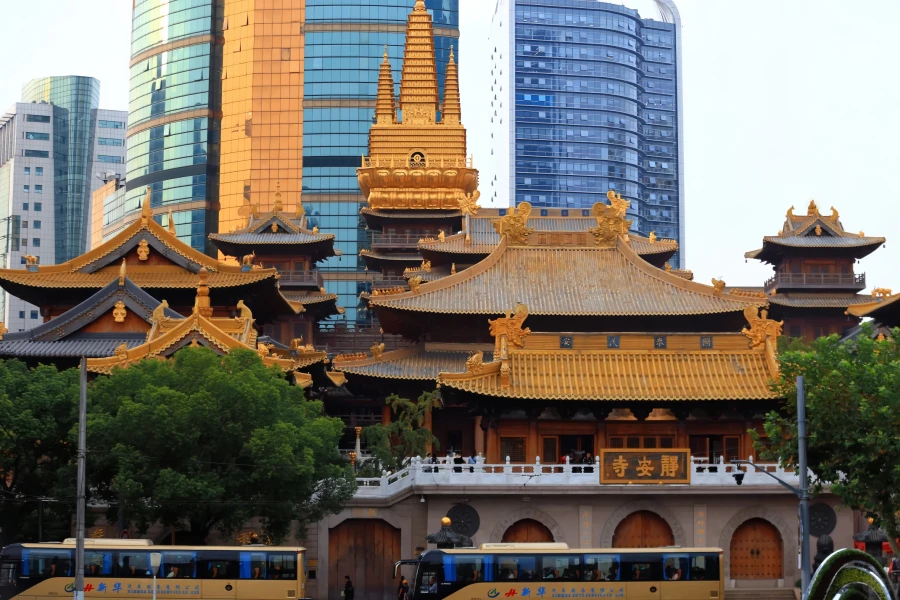
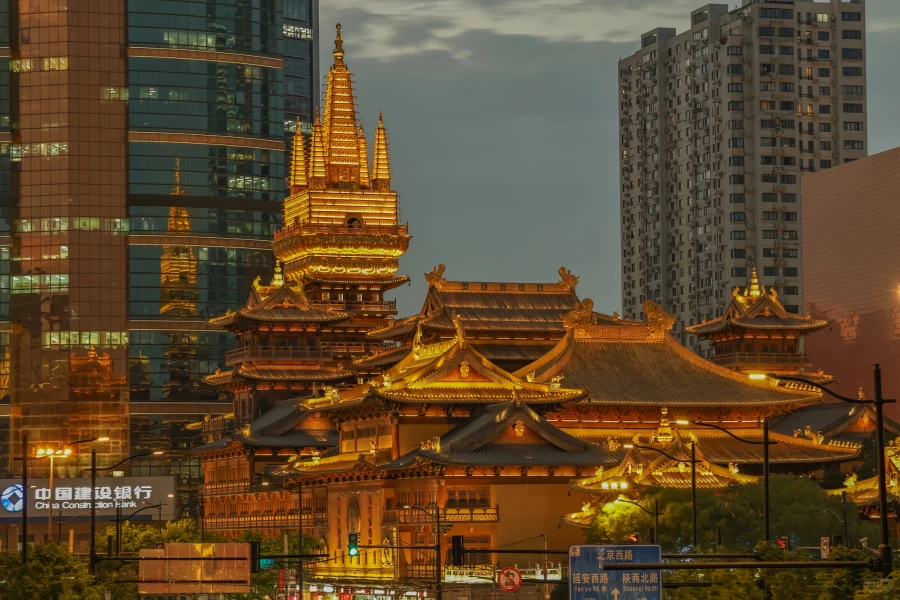
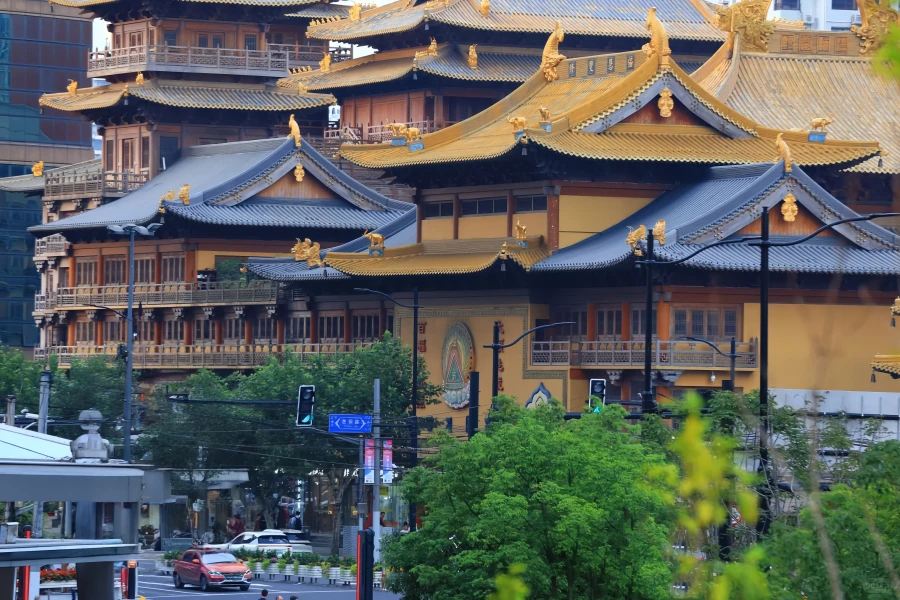
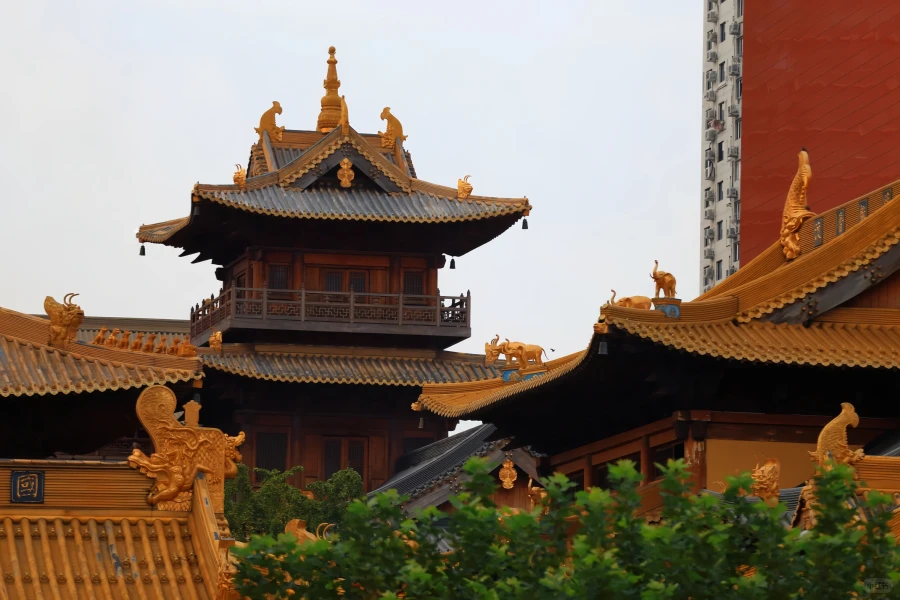
- The Mahavira Hall – the core of the temple: The central building of the entire temple, solemn and majestic. The seated statue of Shakyamuni Buddha enshrined inside is carved from a single piece of Burmese white jade, standing 3.87 meters tall and weighing 11 tons. Its compassionate and dignified countenance makes it a true treasure of the temple. The roof of the hall is covered with copper tiles, which gleam brilliantly in the sunlight, creating a magnificent and imposing atmosphere.
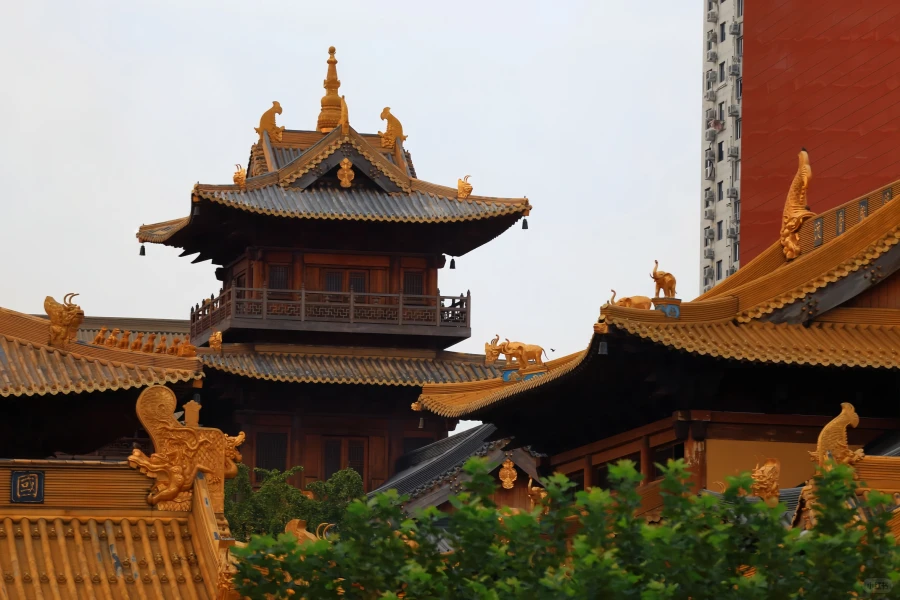
- Song Dynasty-style wooden architectural complex: The entire Jing'an Temple complex was rebuilt strictly according to the Song Dynasty's "Yingzao Fashi" (Building Standards). Looking around, one sees massive brackets, deep eaves, and upright roof lines, reproducing the elegance and strength of Song Dynasty architecture. All wooden structures are made of precious teak, which is rot-resistant and insect-proof, ensuring its preservation for a thousand years.
- Ashoka Pillar and artifacts from various dynasties:
- Ashoka Pillar: Located in the square in front of the temple, it originates from the ancient Indian tradition of erecting pillars for the propagation of Buddhism by the Ashoka Emperor, symbolizing the solemnity and peace of Buddhism.
- Hongwu Bell: An ancient bell cast in the second year of the Hongwu reign of the Ming Dynasty (1369). It has a long history and a deep, resonant sound.
- Sutra pillars and inscriptions: The temple preserves Qing Dynasty stone sutra pillars and inscriptions recording renovations over the years, which are important material materials for studying the history of the temple and the local history of Shanghai.
- Guanyin Hall and Vegetarian Cuisine: The Thousand-Hand Guanyin statue enshrined in the Guanyin Hall is exquisite. The vegetarian cuisine on the east side of the temple is renowned, offering delicate mock meat dishes and snacks, integrating the taste experience into a Zen-inspired lifestyle.
Photography Tips:
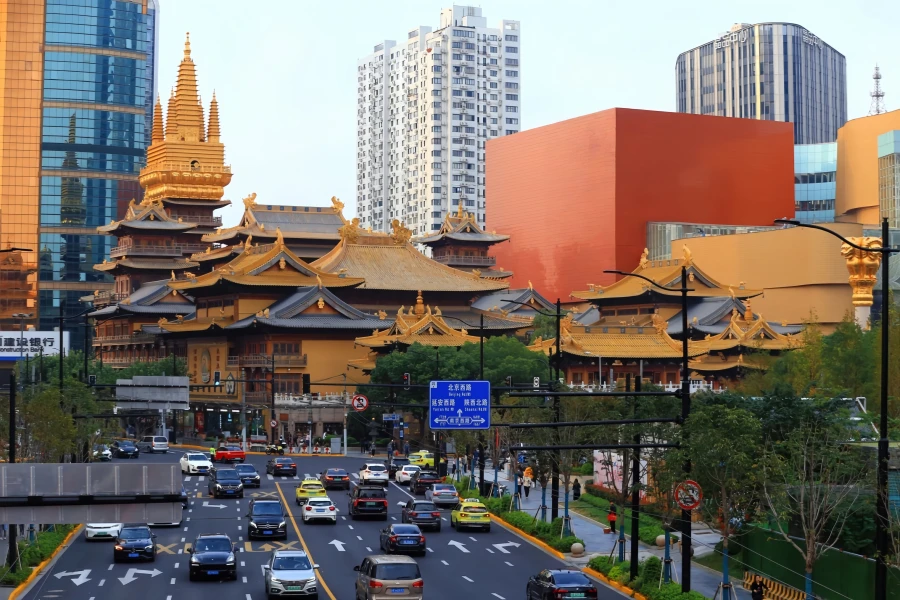
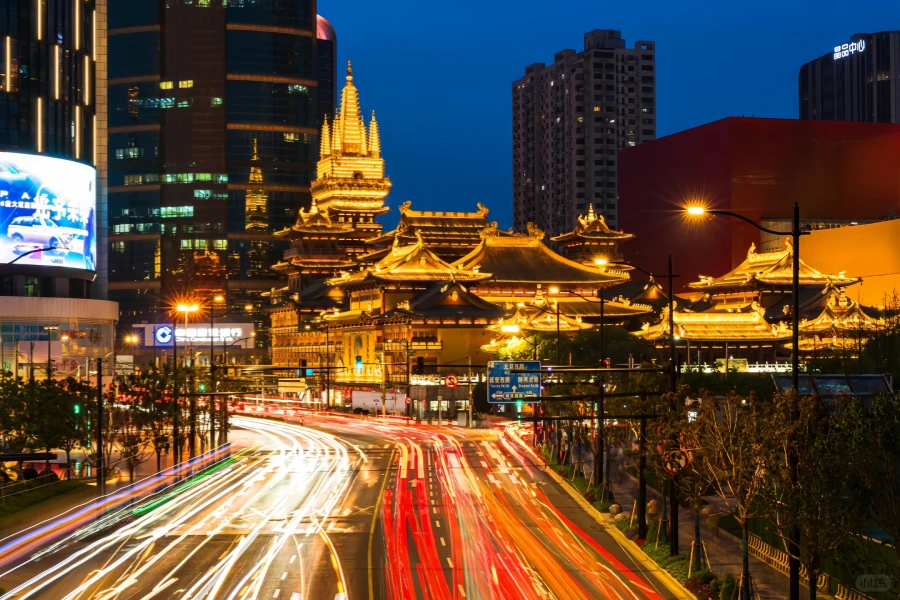
> - Best panoramic shooting position: the square in front of the temple, where you can look up to capture the layered scenery of the mountain gate and the Mahavira Hall behind it, with the city skyscrapers as a backdrop, creating a contrast between the ancient and the modern.
> - Architectural detail shooting position: Platform in front of the Mahavira Hall, to capture the exquisite structure of the brackets and copper tiles, using side lighting to express the texture.
> - Atmospheric shooting angles: The Peace Bell Tower or a corner of the courtyard, capturing moments of incense smoke and tranquil light and shadow.
- Important Notes: Taking photos of Buddha statues directly inside the temple is generally prohibited. Please be sure to abide by the temple's regulations and show respect.