Architectural Treasures—A Frozen History of Western Architecture
The most captivating allure of the Five Great Avenues lies in the fact that the district itself serves as a magnificent open-air "Museum of World Architecture."
A World Architectural Expo: A Journey Through Time and Space—A New Nation at Every Step
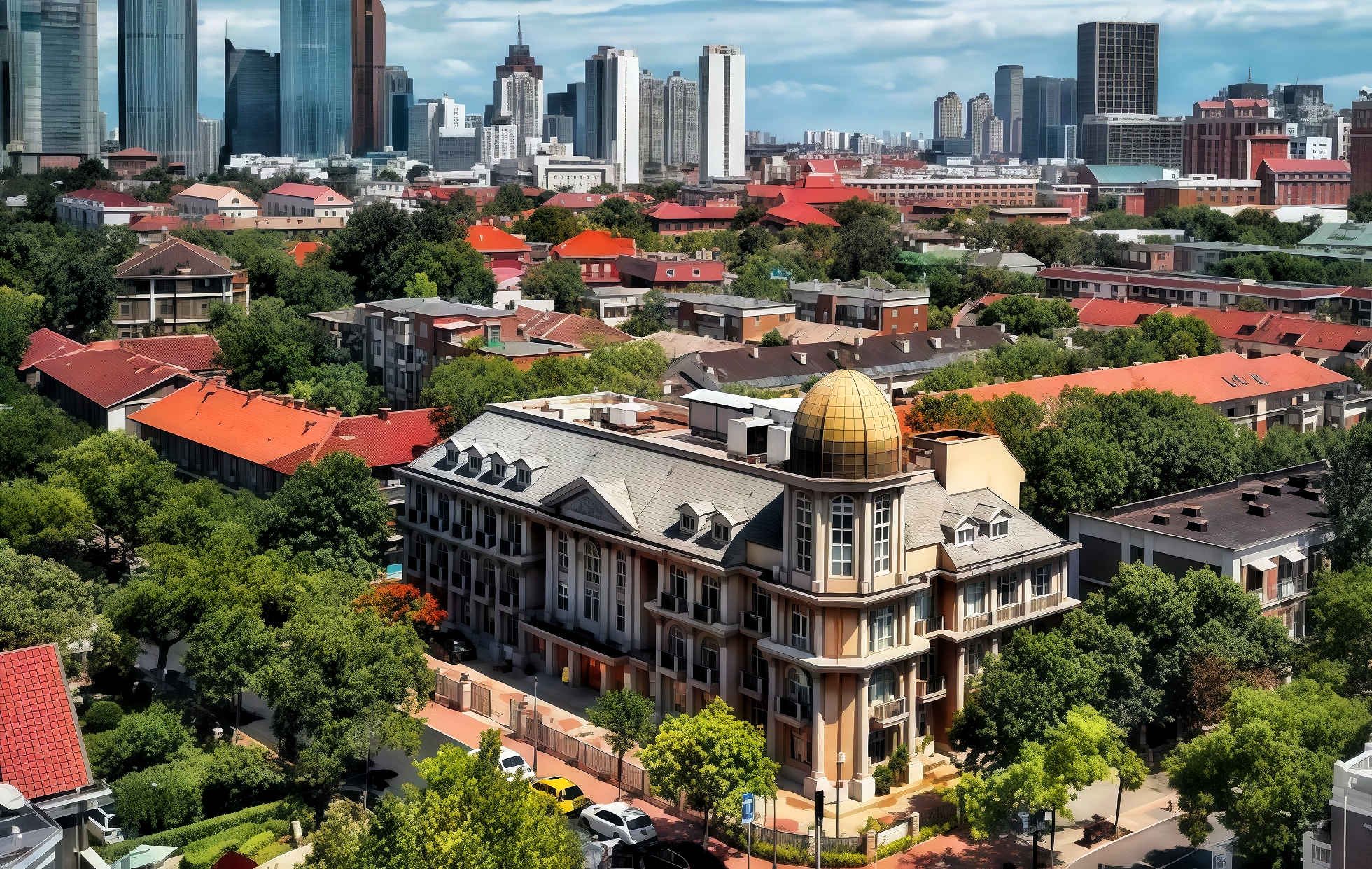
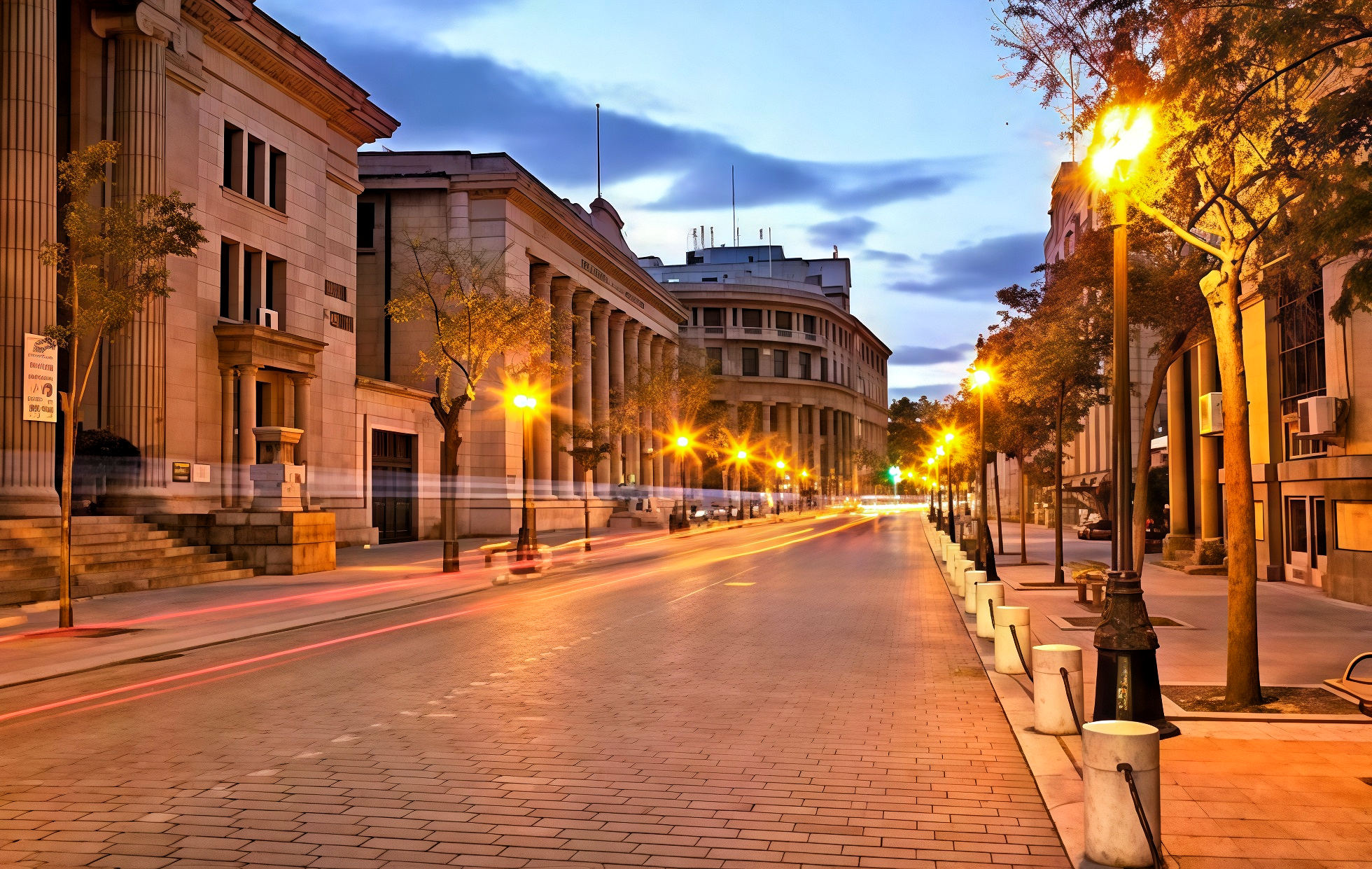
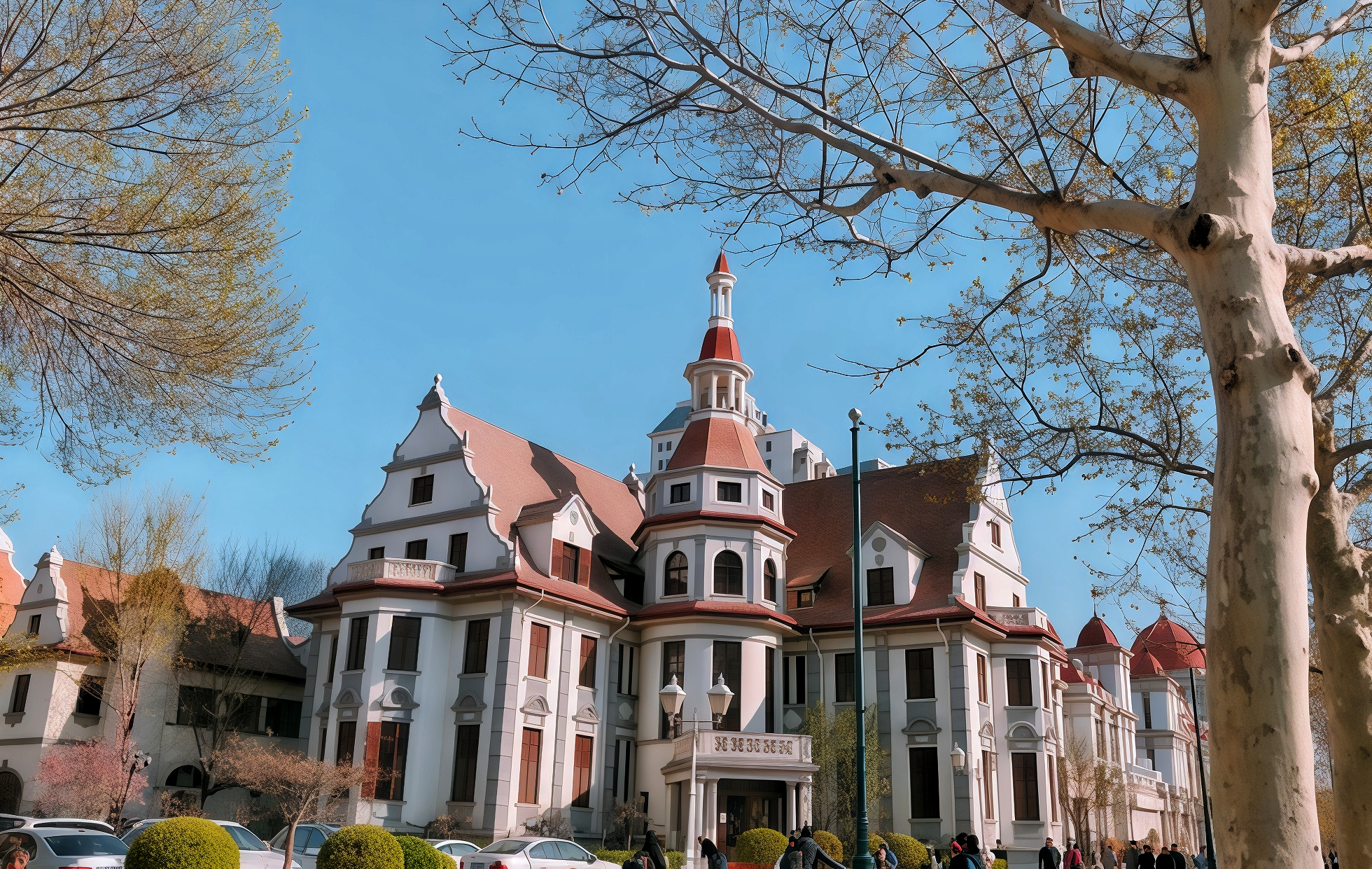
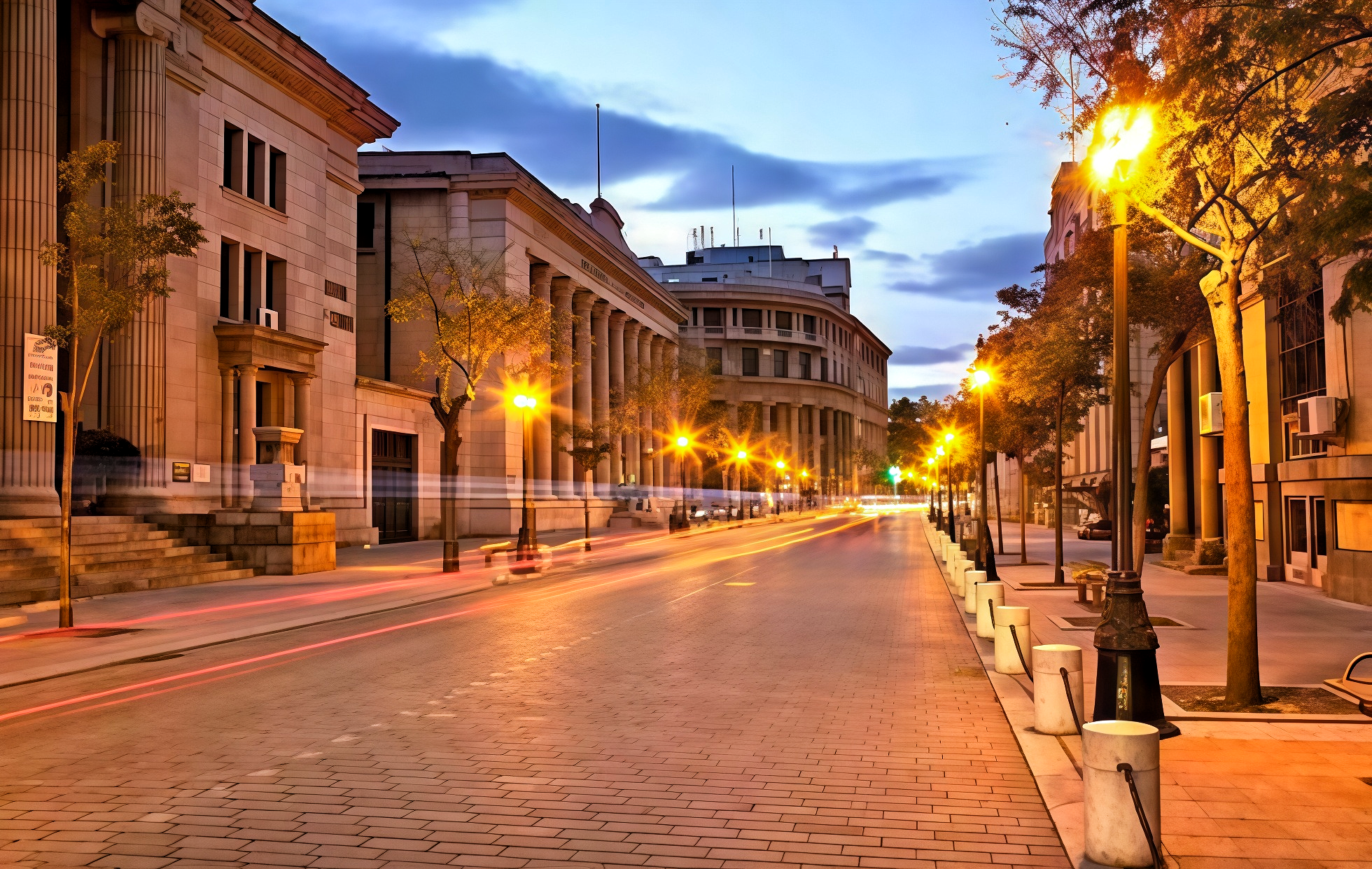
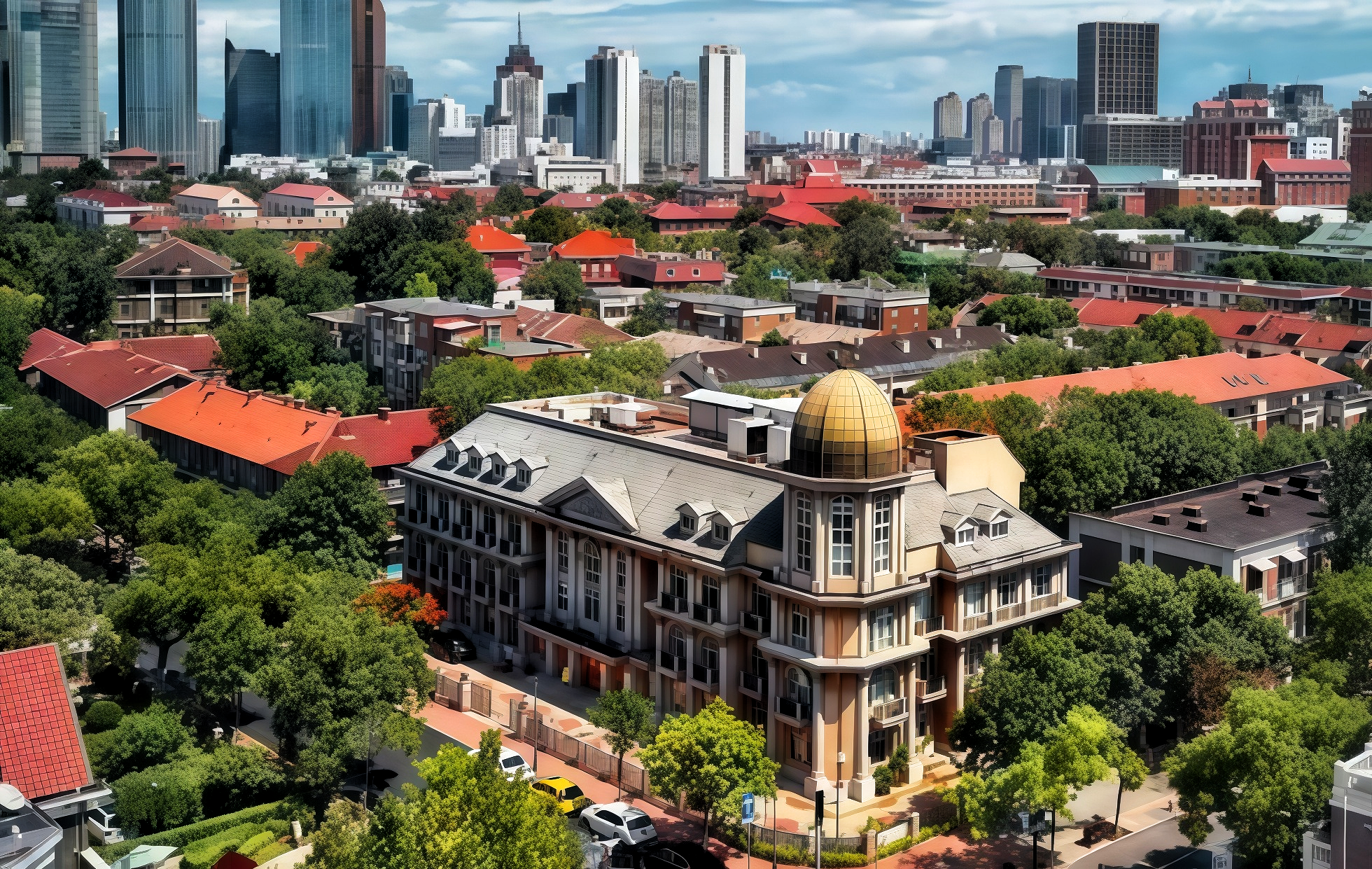
The Five Great Avenues (Wudadao) district is home to a remarkable collection of over 230 buildings, showcasing architectural styles from nations including Britain, France, Italy, Germany, and Spain. These structures range from Gothic, Baroque, Romanesque, and Byzantine designs to medieval Southern European aesthetics and 19th-century Eclectic styles. Each small mansion silently narrates a story from the past:
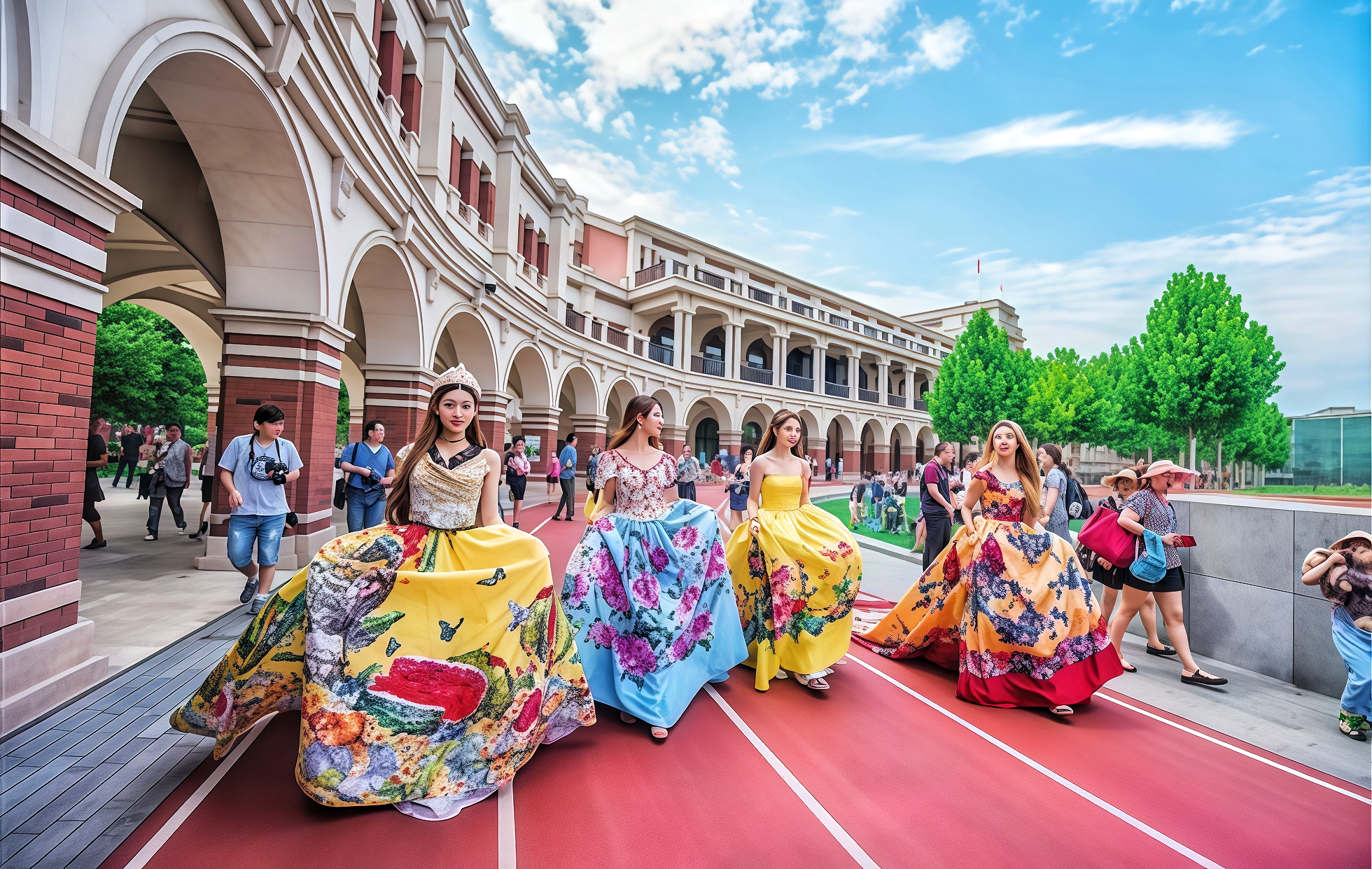
- Prince Qing’s Mansion (No. 55 Chongqing Road): A royal sanctuary where East meets West; Western-style corridors are paired with traditional Chinese wood carvings, while gilded frescoes and Roman columns create a captivating visual interplay. Admission is 30 RMB; visitors are encouraged to wear a qipao (cheongsam) to capture vintage-style photos evoking the Republican era.
- Xiannong Courtyard (Hebei Road): Constructed in 1925, this is one of the earliest architectural complexes built within the Five Great Avenues district. It blends various styles—including British-style row houses and detached villas—and has today been transformed into an elegant public art space.
- Geda Lou (Hebei Road): Distinguished by the ingenious ceramic tile ornamentation on its exterior walls, this building has become a popular landmark and a favorite spot for photography and social media check-ins.
- Gu Weijun’s Former Residence (Dali Road): A courtyard-style structure featuring a brick-and-concrete composition that harmonizes Chinese and Western architectural elements; it stands as a silent witness to the legendary life of this renowned diplomat of the Republican era.
The Wisdom of Seclusion: A Philosophy of Elegant and Tranquil Living
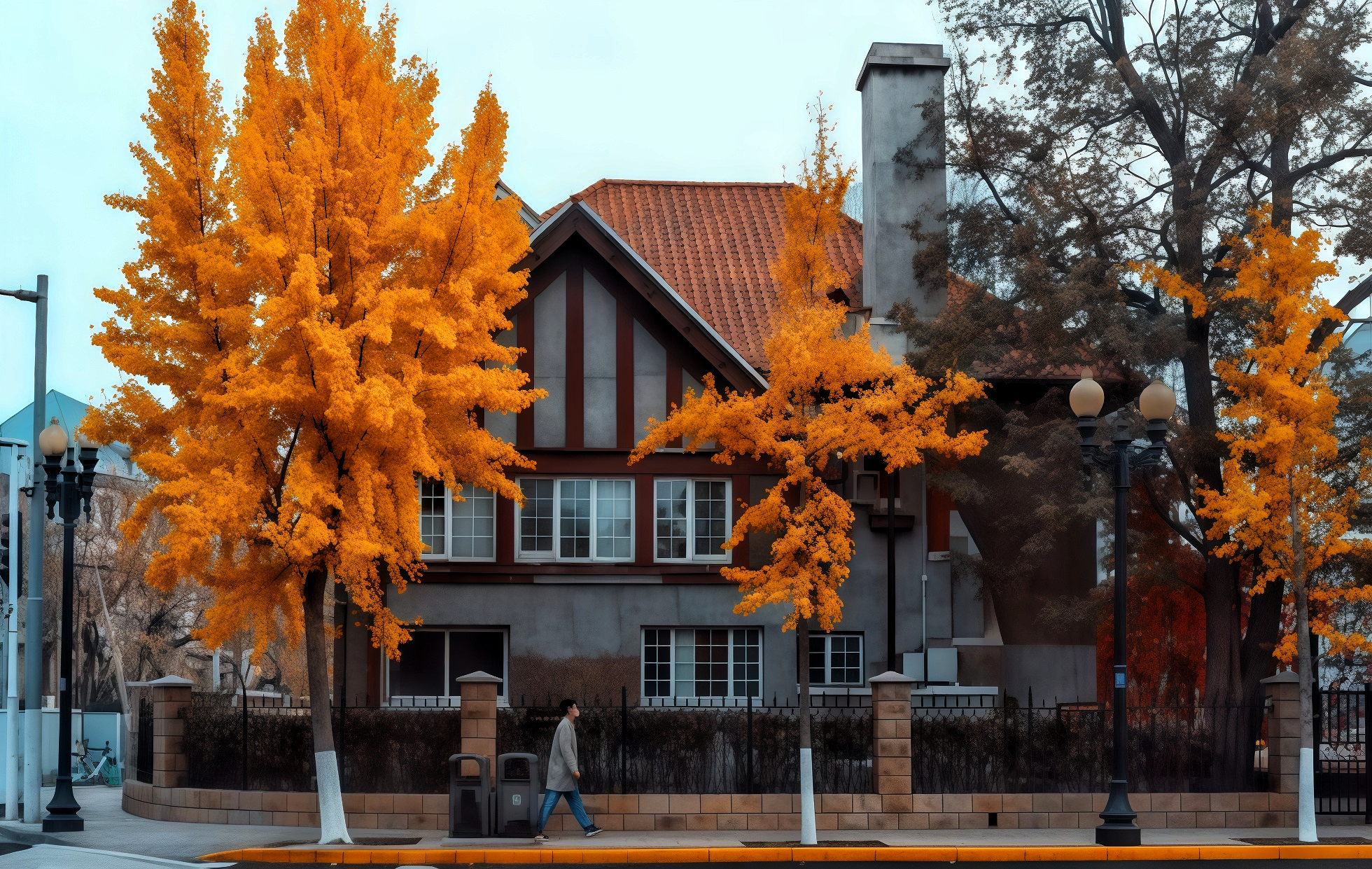
In contrast to the ostentation of Shanghai’s Bund, the "Western-style mansions" of the Five Great Avenues tend to be low-rise structures, devoid of towering skyscrapers. Set back from the street behind private courtyards, the buildings' windows are often screened from view by lush flowers and foliage within the grounds. Furthermore, the perimeter walls are predominantly solid barriers, with railings rarely utilized. These design choices reflect the homeowners' mindset at the time—a desire for deep seclusion and absolute privacy—collectively creating the unique atmosphere of the Five Great Avenues: one of elegant tranquility, quiet stability, and warm intimacy.
The Charm of the District: A Flowing Urban Tapestry
The Crabapple Blossoms of Dali Road: A Limited-Time Pink Romance of Spring
Every April, the hundreds of crabapple trees lining Dali Road burst into full bloom, forming a continuous "pink floral avenue" stretching for over a kilometer. This breathtaking spectacle stands as the most beautiful scenic highlight of spring in Tianjin. Since 2024, the Heping District Government has hosted the "Five Great Avenues Crabapple Blossom Festival," centering it around the area's stunning crabapple landscapes. Attracting an average of over 10,000 visitors daily, the festival has emerged as a new signature attraction for the city of Tianjin.
Minyuan Plaza: A "City Living Room" Where East Meets West
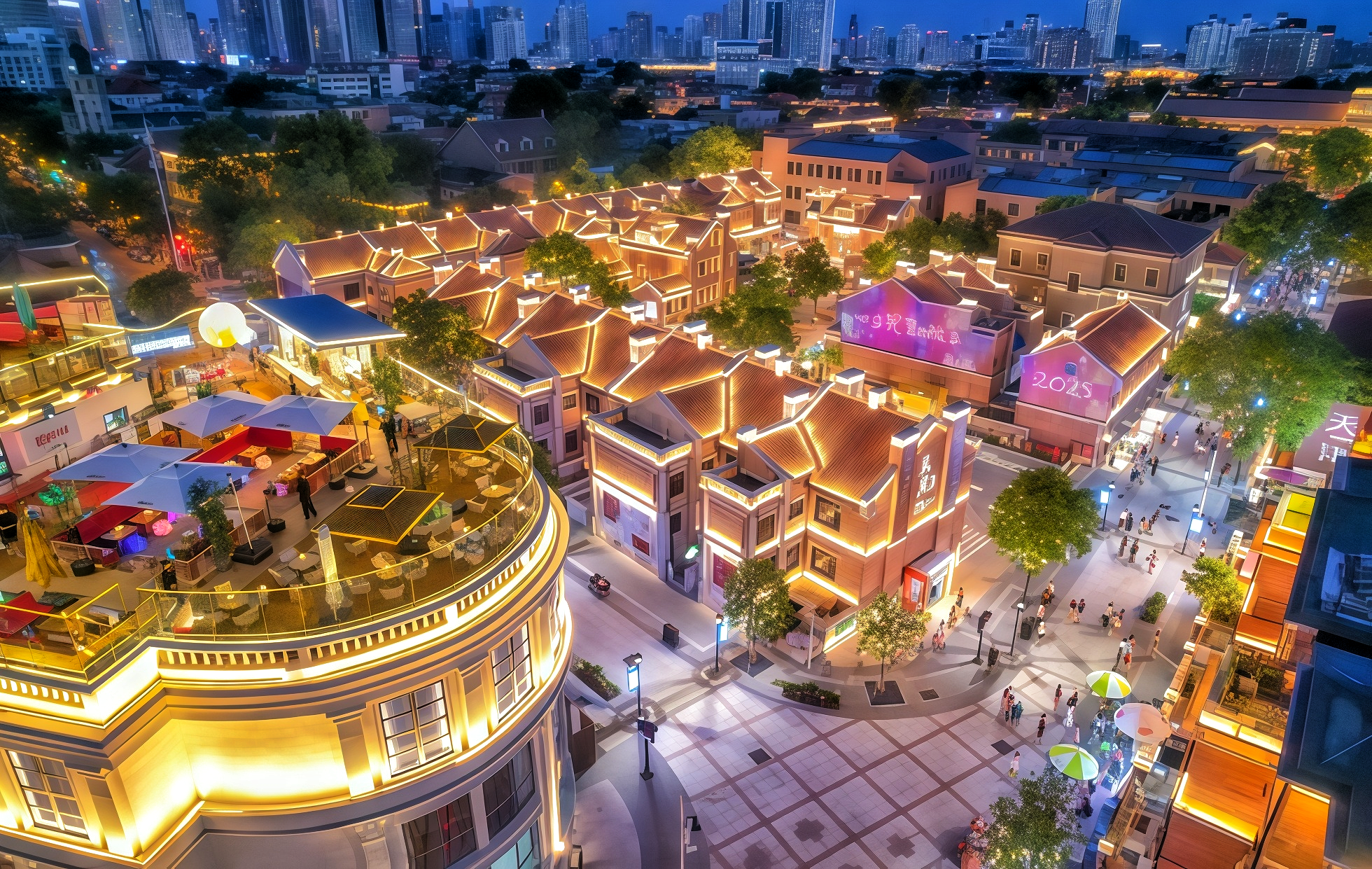
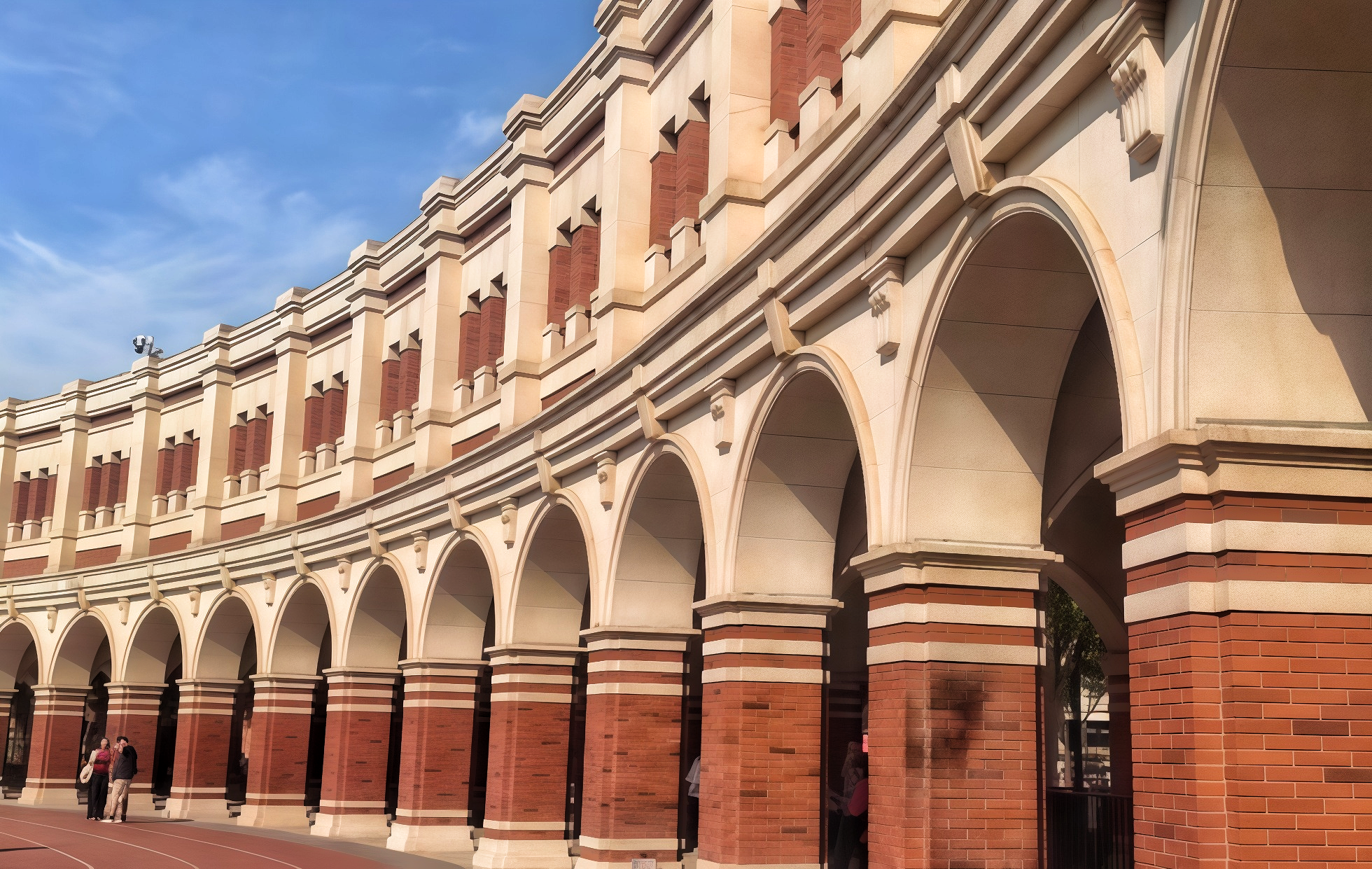
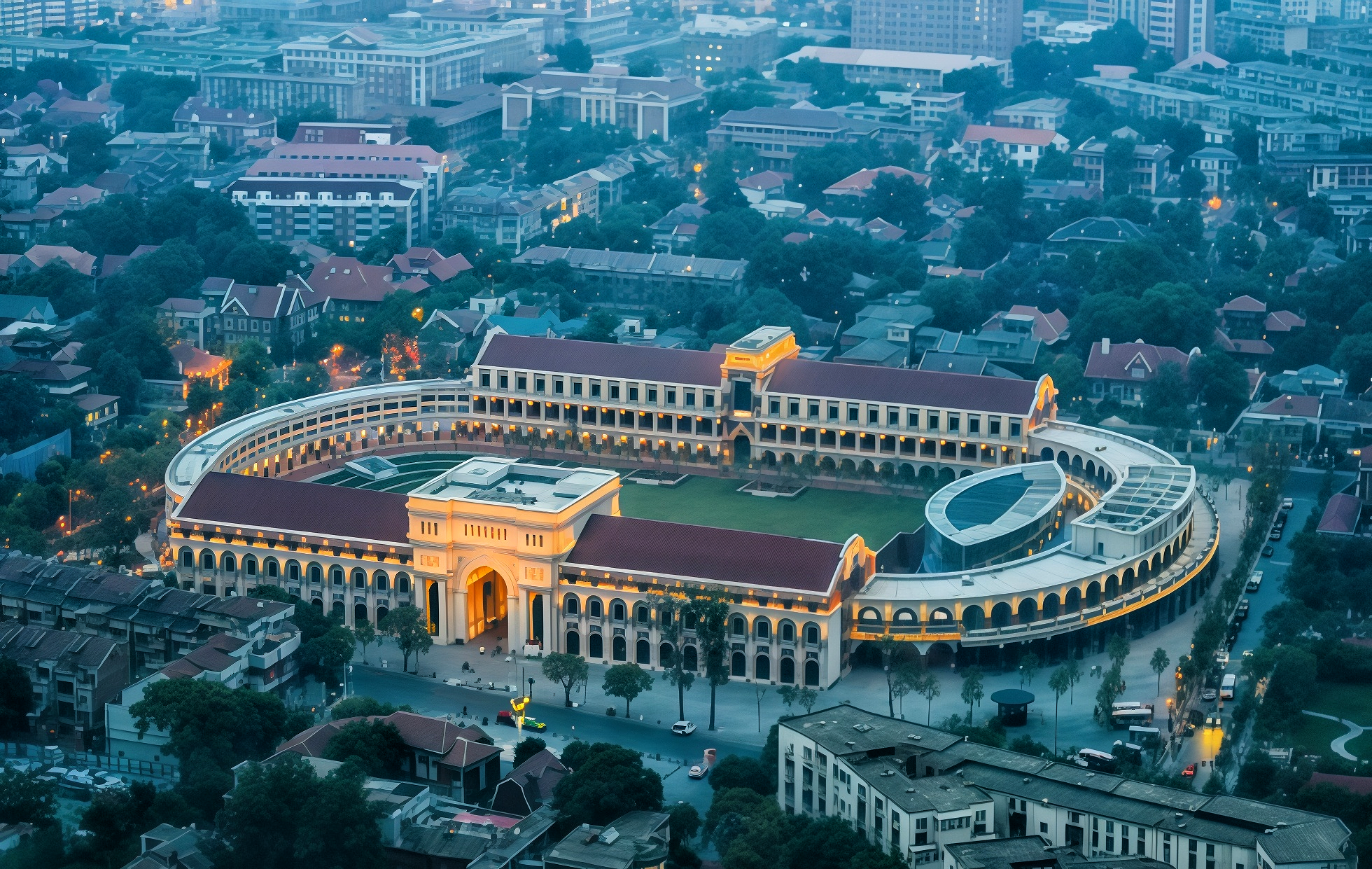
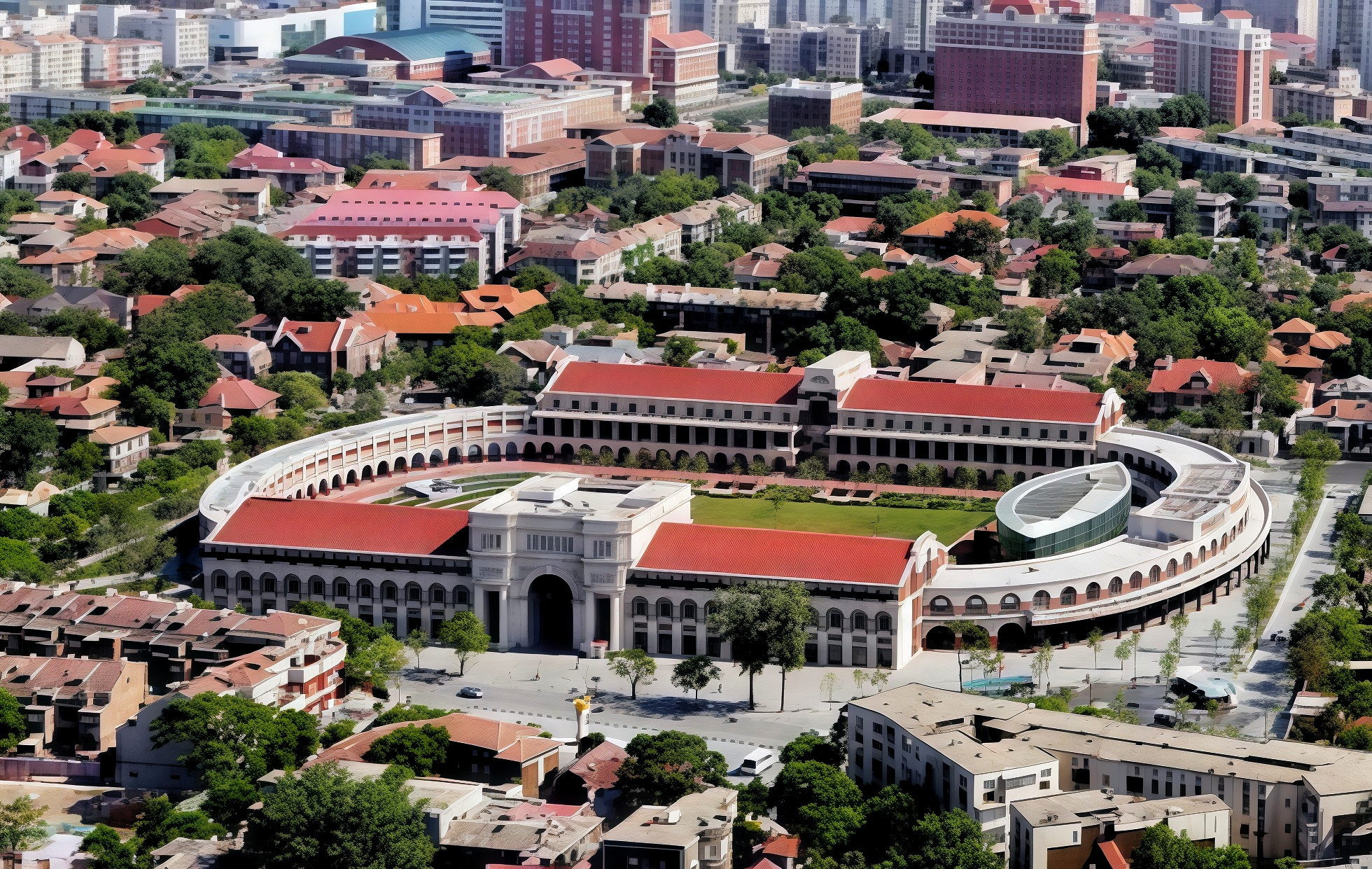
Minyuan Plaza traces its roots back to Minyuan Stadium, originally built in 1920—notably, China's very first floodlit football stadium. Following extensive renovation and upgrades, Minyuan Plaza has transformed into a vibrant urban public space that harmoniously blends Eastern and Western aesthetics. Featuring Roman-style colonnades, curved benches, and a sunken central plaza, the venue serves as a hub for both locals and visitors. Residents gather here to play jianzi (shuttlecock kicking), take leisurely strolls, and attend concerts, while tourists stop to rest, take photos, and soak up the laid-back lifestyle of Tianjin.
Five Great Avenues Park: The Birth of a New Landmark
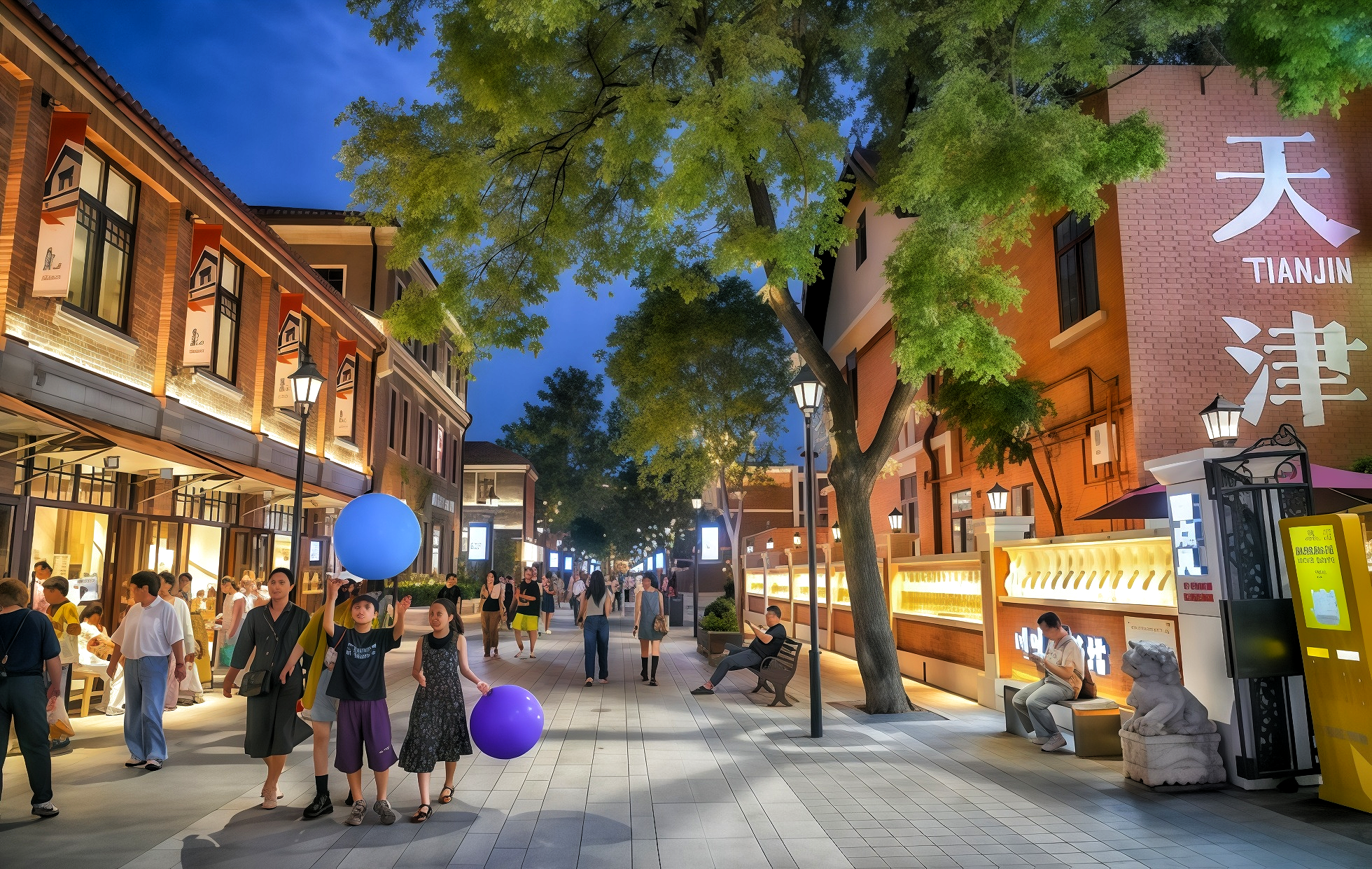
In 2025, Five Great Avenues Park was integrated with the adjacent Minyuan 1920 Pedestrian District to create a comprehensive cultural and tourism complex, significantly enhancing the area's capacity to accommodate visitor traffic. The park's iconic landmark clock has quickly become a popular new "must-visit" spot for photo opportunities.
> Photography Tips:
> The best vantage point for panoramic shots is from the second-floor colonnade of Minyuan Plaza, offering a bird's-eye view of the entire plaza and the surrounding Western-style mansions.
> During the crabapple blossom season on Dali Road (typically early to mid-April), it is recommended to shoot in the early morning or late evening, when the lighting is soft and the crowds are thinner.
> The spiral staircase and colonnades at the Residence of Prince Qing (Qing Wang Fu) provide an exquisite backdrop for capturing portraits with a distinct Republic-era aesthetic.
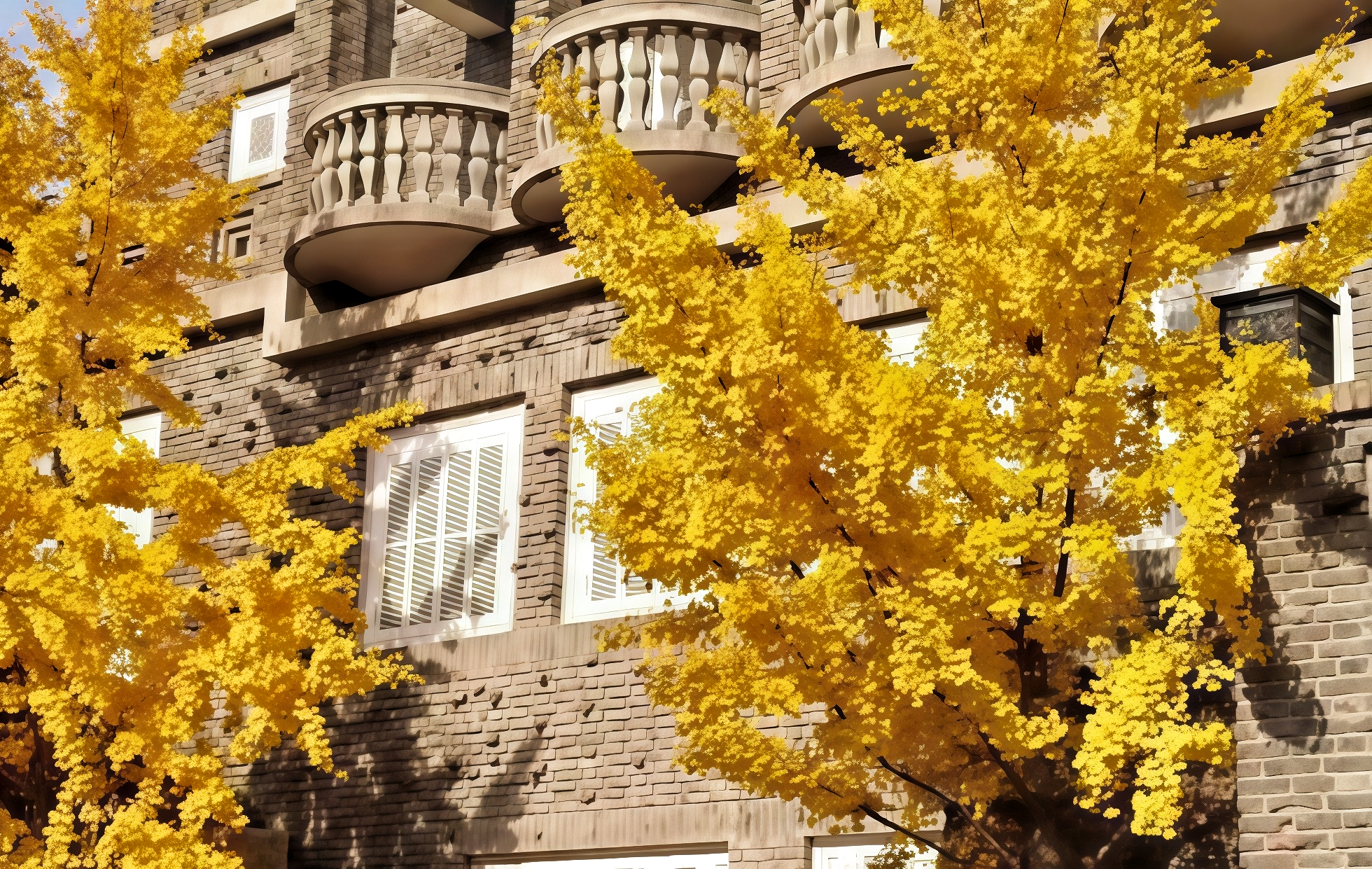
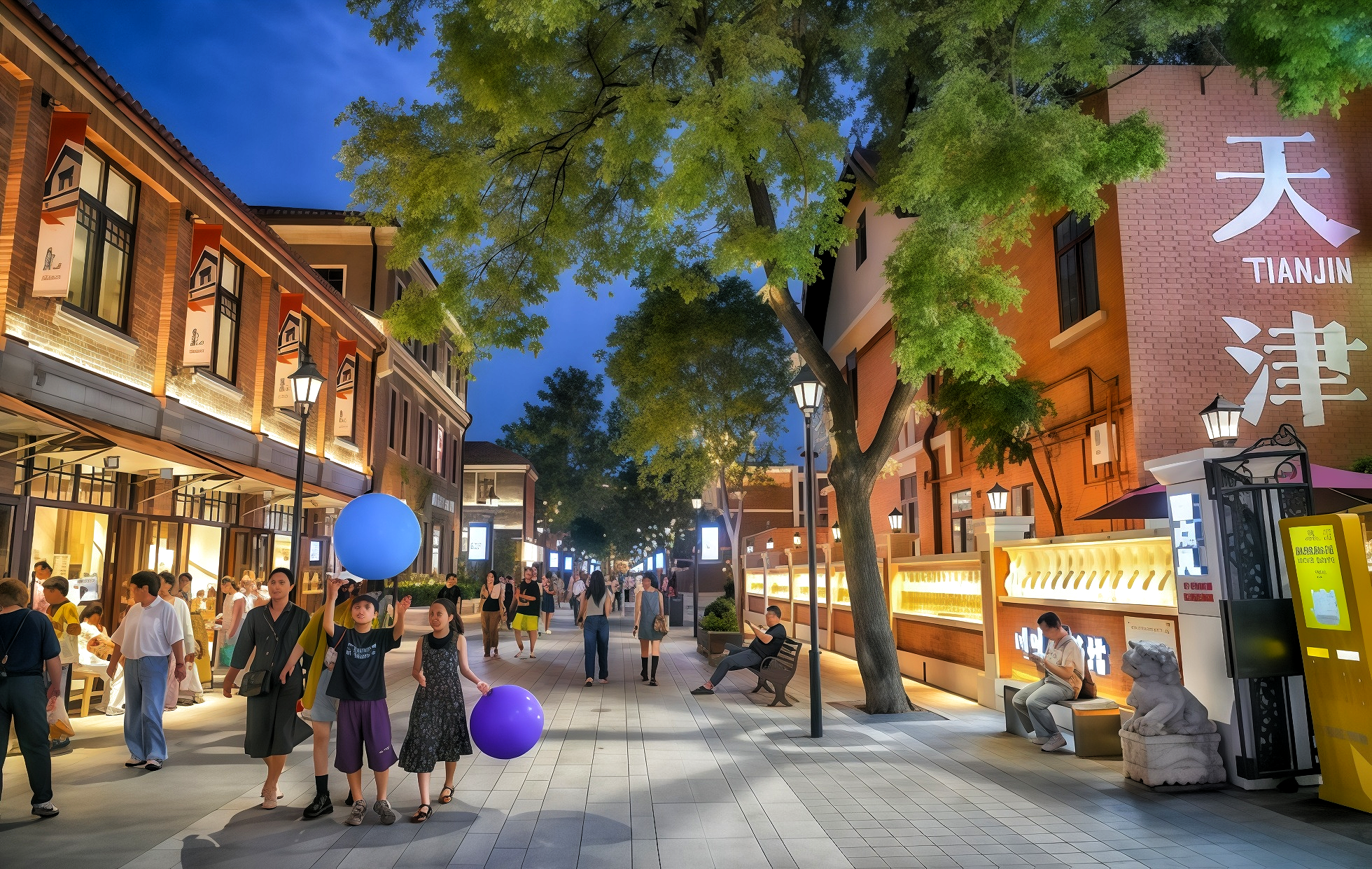
> The interplay of light and shadow cast by the plane trees lining the streets, set against the backdrop of red-brick walls, creates natural frames for your photos—making it easy to snap a stunning, magazine-worthy shot with minimal effort.